

Our Blog — Page 33
The True Progress Therapy blog is your trusted source for evidence-based ABA insights, autism research, and clinical perspectives. Designed for families seeking answers and professionals raising the bar — because meaningful progress starts with knowledge.
Showing 12 of 543 articles · page 33 of 46

Warning Signs in ABA Therapy to Watch Out For
Key Highlights Applied Behavior Analysis (ABA) therapy can be incredibly effective, but it’s crucial to ensure your child receives high-quality care. This guide outlines ten red flags to watch out for in ABA therapy, empowering parents to make informed decisions. From a lack of data tracking and ind
Read article
Is 40 Hours of ABA Therapy Overwhelming?
Key Highlights The ideal amount of ABA therapy varies for each child. 40 hours per week is a common suggestion, but individual needs should be prioritized. Factors like age, developmental progress, and symptom severity play a role in determining therapy hours. Regular communication between parents,
Read article
BCBA Exam First Try Pass Rate Insights
Key Highlights The BCBA exam is a comprehensive assessment for aspiring behavior analysts. This blog provides insights into the exam structure, national pass rates, and preparation strategies. We’ll cover subject areas, study techniques, and common challenges faced by test-takers. Real-life success
Read article
Educational Toys for Autism to Enhance Development
Understanding Sensory Toys Benefits of Sensory Toys Sensory toys are like magic wands for kids, especially those on the autism spectrum. They’re crafted to tickle the senses, helping kids chill out and get the sensory input they crave. Here’s why they’re awesome: Senses in Action: These toys get kid
Read article
Innovative Sensory Toys for Autism
Understanding Sensory Toys Benefits of Sensory Toys Sensory toys are like little magic tools that tickle the senses, especially helpful for kids on the autism spectrum. They’re not just playthings; they’re like tiny therapists that help kids focus, chill out, and feel more at ease. Here’s what these
Read article
Best Toys for Autistic Child’s Development
Understanding Sensory Toys Importance of Sensory Stimulation Sensory toys are crafted to tickle the senses, helping kids on the autism spectrum chill out and get the sensory input they crave. These toys are like a magic wand for folks with autism, engaging their senses—sight, touch, sound, movement,
Read article
Therapeutic Toys for Autism Success
Understanding Autism and Play Importance of Play for Children with Autism Play is a big deal for kids, especially those with Autism Spectrum Disorder (ASD). It’s not just about fun; it’s a way for them to learn about the world, try new things, and get the hang of sharing, taking turns, and chatting
Read article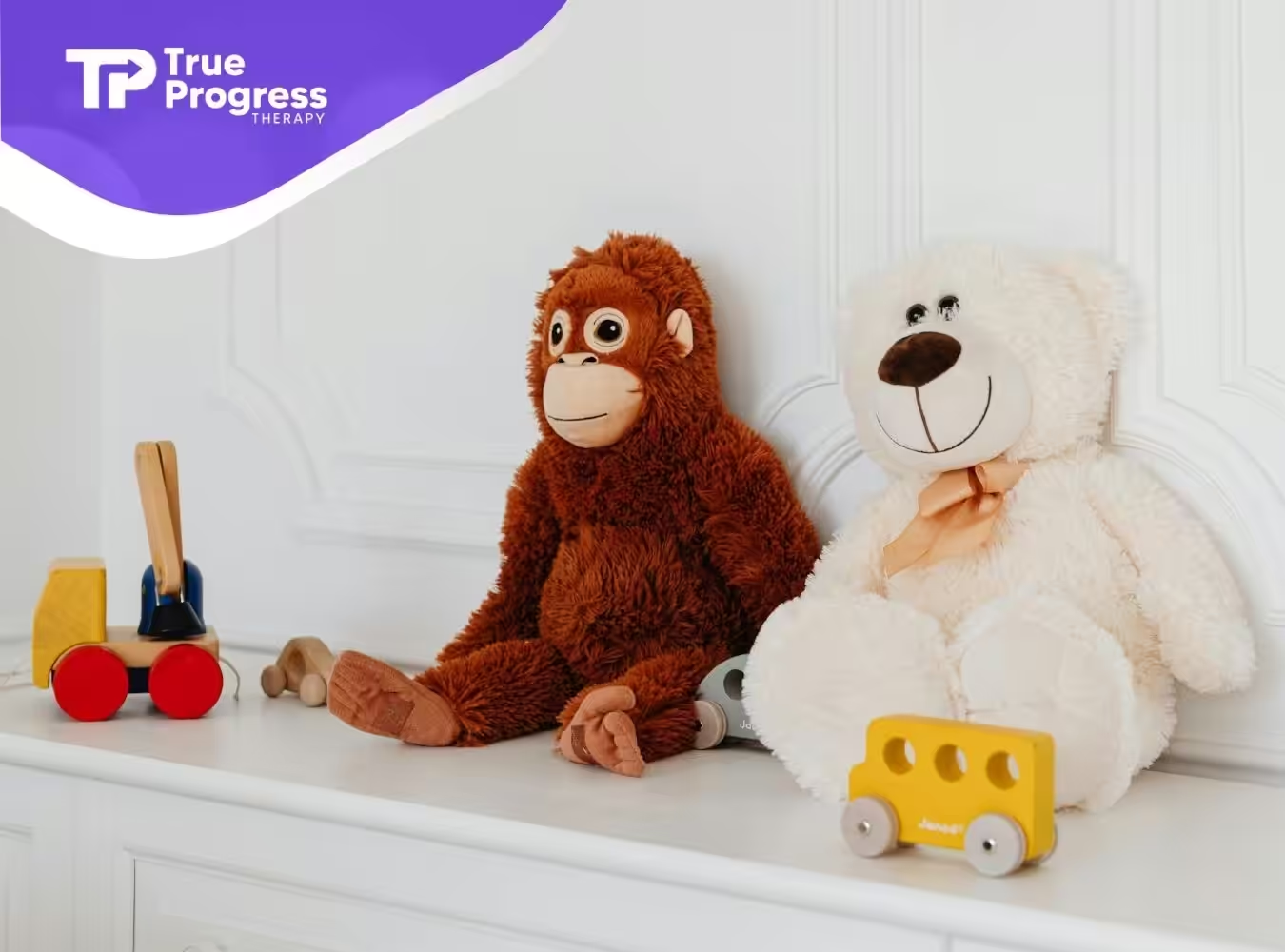
Recommended Calming Toys for Autism
Understanding Sensory Toys Benefits of Sensory Toys Sensory toys for autism are like magic wands for kids on the spectrum. They help with focus, attention, and stress relief, making life a bit more chill and manageable. These toys are all about engaging the senses, giving kids a chance to explore an
Read article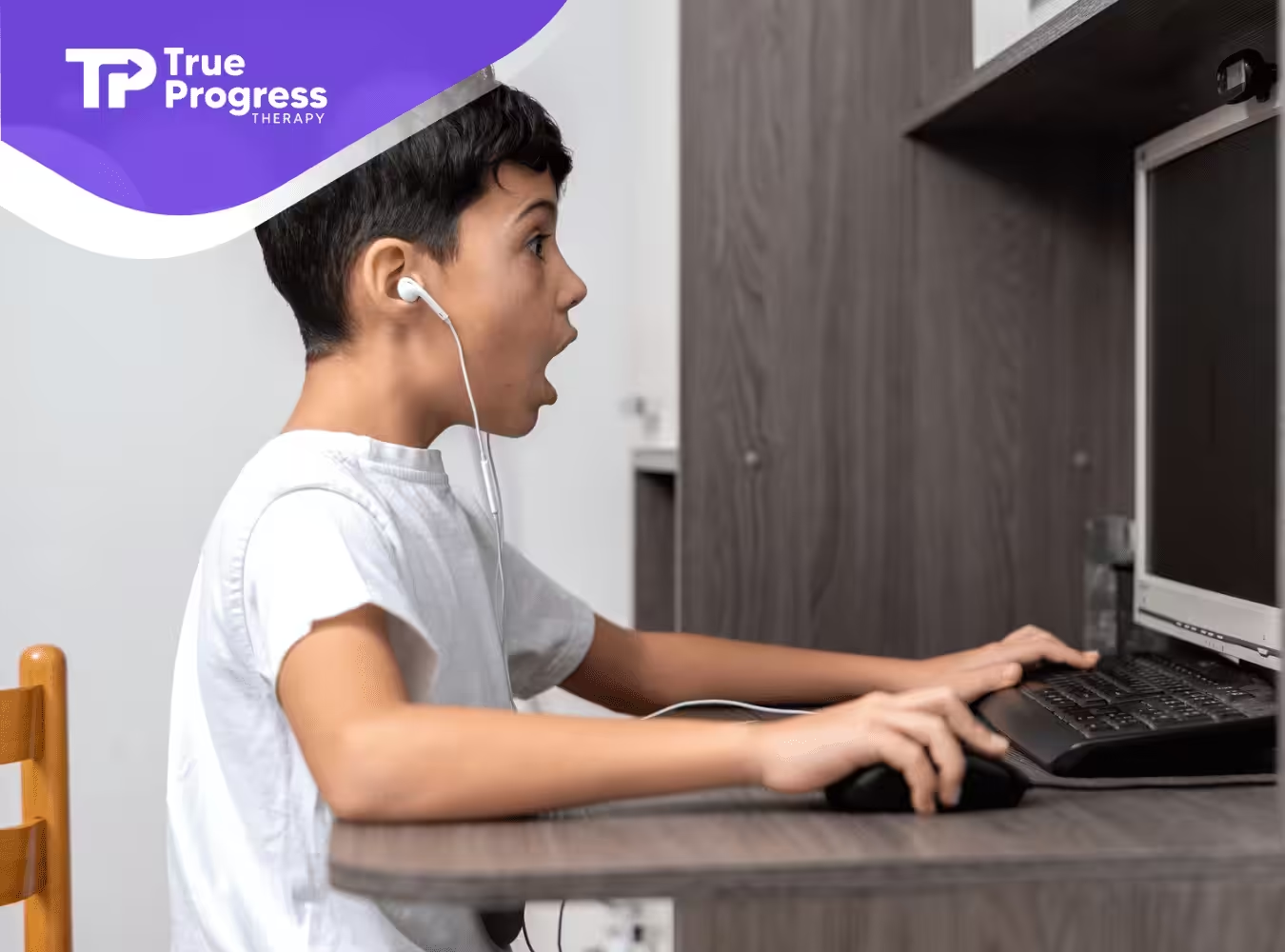
Using Minecraft in Autism Therapy: A Parent’s Guide to Beneficial Screen Time
Minecraft and Autism: How the Game Supports Learning and Social Skills Few video games have captured the attention of autistic children and teens quite like Minecraft. What looks like a simple block-building game on the surface has become a powerful tool for connection, creativity, and skill-buildin
Read article
Elopement in Autism: Causes, Prevention, and Safety Tips
Elopement, or wandering, is a common but concerning behavior in autistic individuals. It occurs when a person leaves a safe environment without permission or awareness of the potential dangers. For many families, elopement can be stressful and even life-threatening, as it increases the risk of accid
Read article
Are You Born with Autism or Does It Develop? Understanding ASD
Autism Spectrum Disorder (ASD) is a neurodevelopmental condition that affects communication, behavior, and sensory processing. One of the most common questions people ask about autism is whether individuals are born with it or if it develops over time. The answer is complex, involving genetics, pren
Read article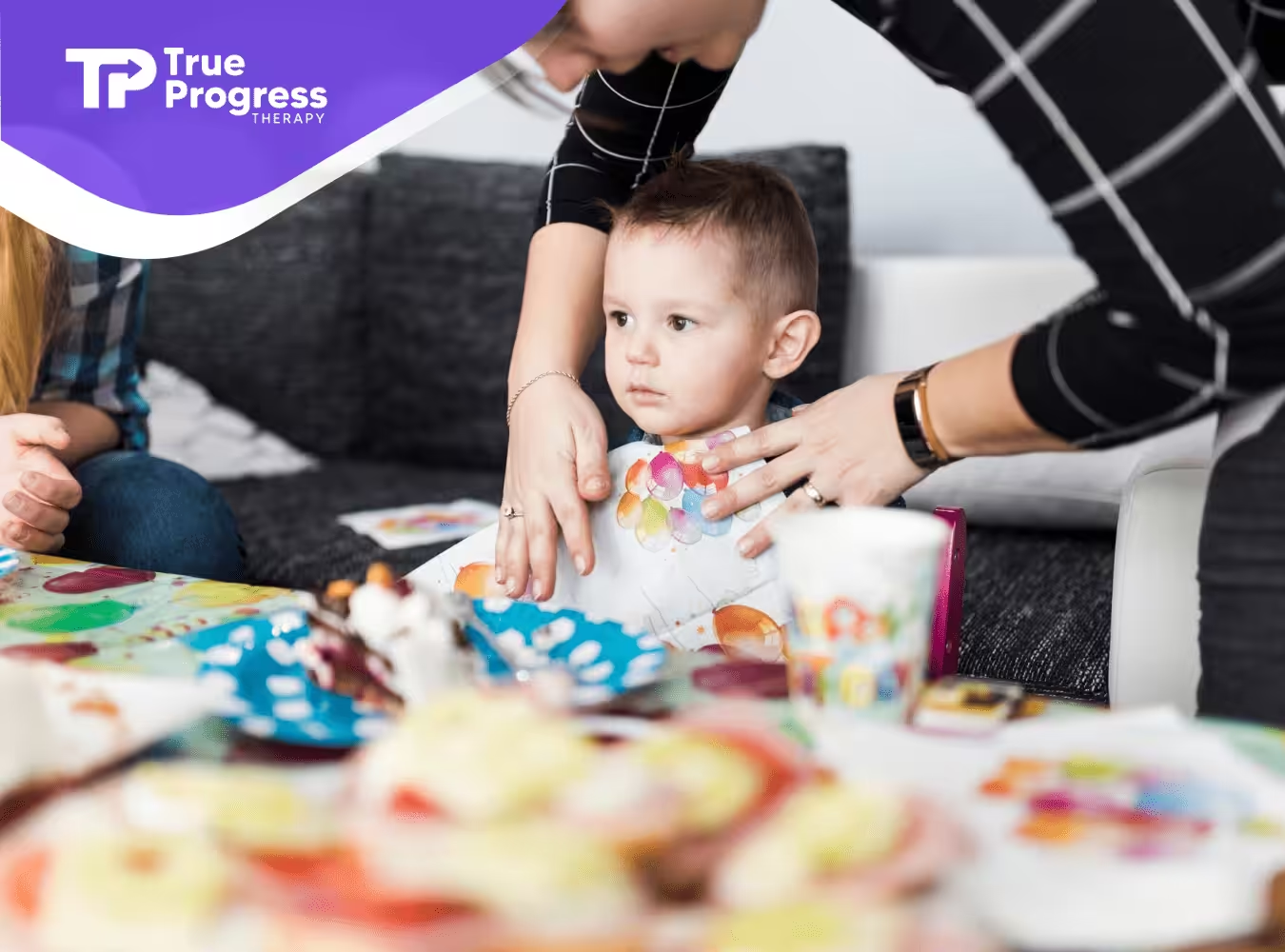
Does Stimming Mean You Are Neurodivergent? Understanding the Signs
Stimming, or self-stimulatory behavior, is a common action that involves repetitive movements, sounds, or other activities. Many people associate stimming with autism, but it is not exclusive to autistic individuals. It can also be present in those with ADHD, anxiety, and other conditions—or even in
Read articleNo articles match that search.