

Why Autism and School Refusal Happen (And What to Do)?
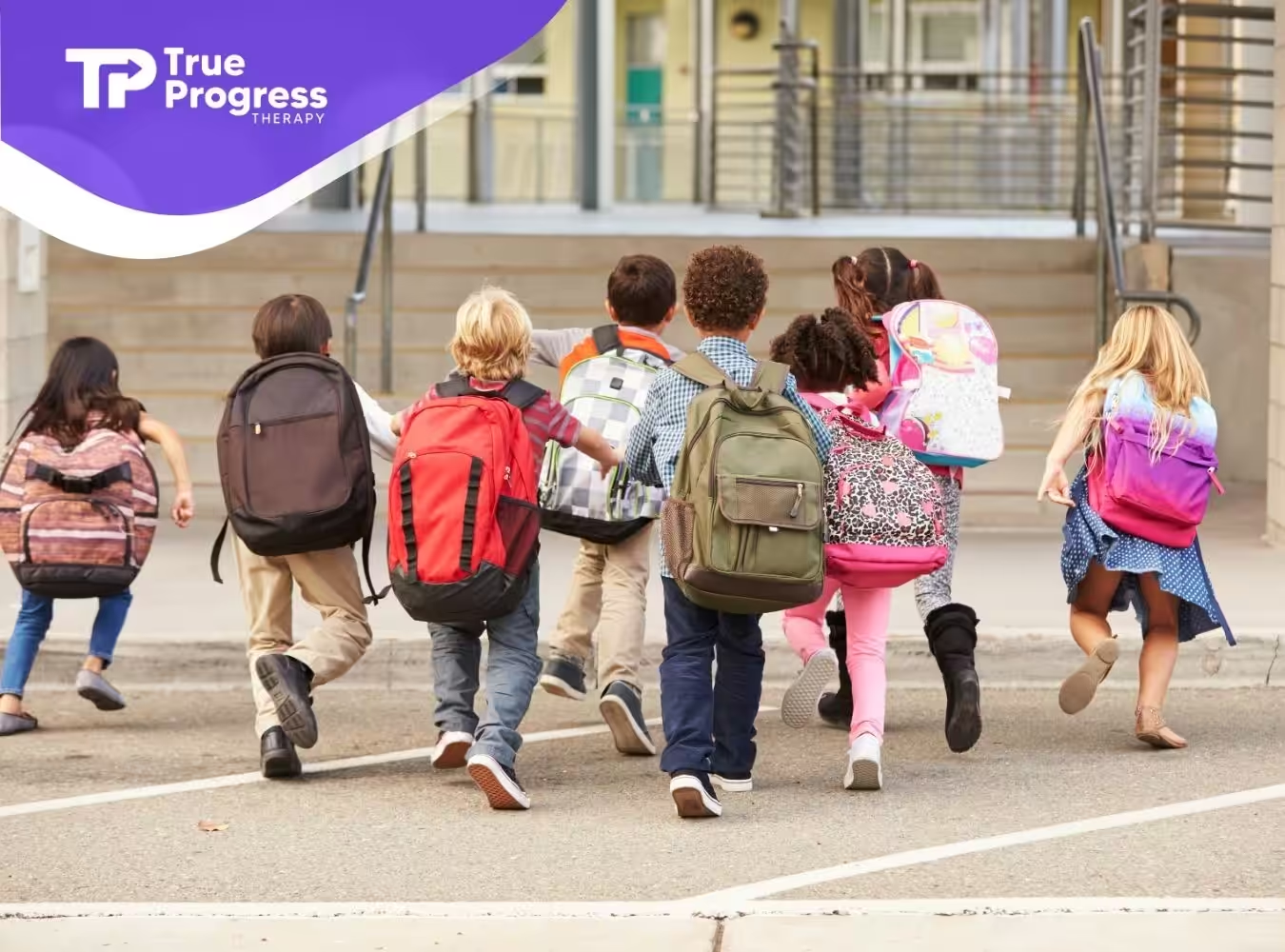
Autism and school refusal often go hand in hand. Many children with autism avoid school due to anxiety, sensory overload, or social challenges. Research shows up to 57% of autistic students miss school because of refusal, compared to just 1–1.4 days per month for peers without autism.
Why Autism and School Refusal Happen
- Sensory overload, social anxiety, and communication differences are common triggers.
- School refusal is more frequent in older students and those with co-occurring mental health concerns.
- Families report that transitions, bullying, and unpredictable routines can make school feel unsafe.
What Helps
- Structured routines and clear communication reduce anxiety.
- Gradual exposure and positive reinforcement can build confidence.
- Collaboration with teachers and therapists is key for tailored support.
If autism and school refusal is affecting your child’s learning, call True Progress Therapy today for a personalized plan to help your child thrive.
FAQ
What causes autism and school refusal?
Anxiety, sensory issues, and social challenges are major factors.
How common is it?
Over half of autistic students experience school refusal at some point.
When to seek help?
If school refusal persists or affects learning, contact a specialist for support.
Sources:
Related Posts

Autistic Sleeping Positions: Are They Different From Typical Sleep?
Understanding Sleep Issues In Autism Children and adults on the autism spectrum often have unique sleep patterns and sensitivities. Research shows that autistic individuals are nearly twice as likely to face sleep disturbances compared with their neurotypical peers. This gap can create a ripple effe
Read article
Understanding the Autistic Hug (and the Third Eye Hug): What It Means
Key Highlights In a world where communication often defaults to words, the significance of physical touch, particularly in the context of autism, is frequently overlooked. Hugs can carry profound meanings and serve as powerful connectors for many individuals on the spectrum. They can act as a bridge
Read article
What Is the Hardest Age for Autism, and Does Autism Peak?
There’s no single age that’s the hardest for autism. The challenges tend to shift as a child grows. That said, many families agree that certain stages feel more overwhelming than others—especially when expectations suddenly change. What age feels hardest for autism? Autism doesn’t get “hard” at one
Read article