

Discover the Best Beds for Kids with Autism
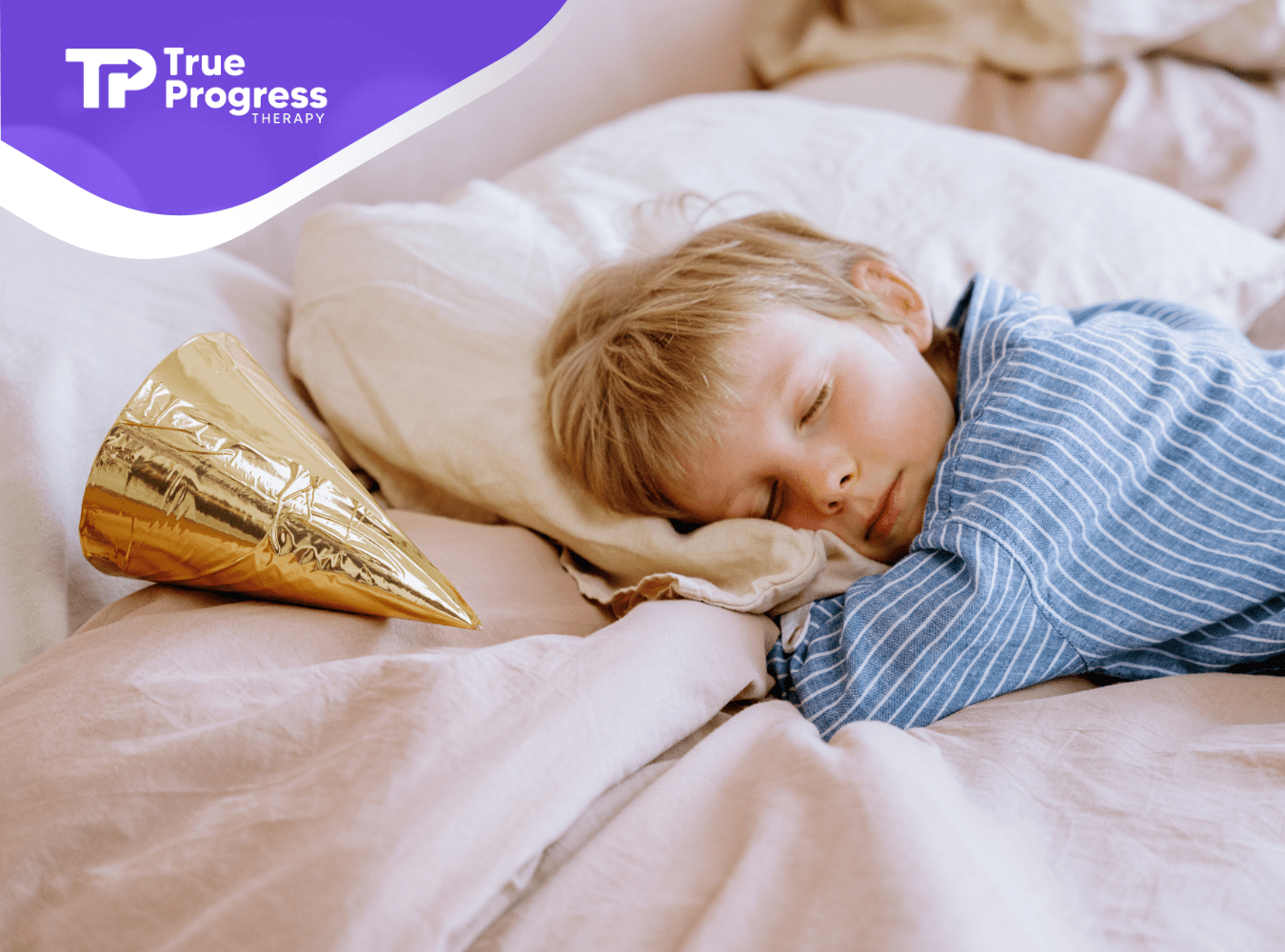
Finding the right bed for children with autism is very important. It can help to improve sleep quality and keep kids safe while they rest. Many children with autism may face sleep problems because of their sensory needs, a desire to wander, or trouble calming down. Choosing beds made just for autistic children, like safety beds or special bedding, can greatly help families with these issues. This kind of investment brings peace of mind to caregivers and helps children get better sleep at night. Overall, selecting the correct safety bed can really improve the lives of special needs families.
Exploring the Top Beds for Kids with Autism
When picking beds for autistic children, it’s key to look at options that meet their different needs. There are beds that help with sensory stimulation and others that focus on safety features. These choices matter.
This blog explores various special bed types. Some examples include sensory-enhanced beds, cozy enclosed pods, adjustable safety beds, and comfortable memory foam mattresses. These designs help improve a child’s sleep and give caregivers peace of mind. They become very important for families with special needs.
1. Sensory-Enhanced Beds
Sensory-enhanced beds are great for autistic children who find it tough to process sensory information. These beds are designed to help calm kids with different textures, gentle vibrations, and soothing sounds. This can lead to better sleep quality. The stimulation they provide can lessen meltdowns, giving peace of mind to both the child and the caregiver.
Cubby Beds are a well-known example. They include child-friendly sensory features like special lights and sound machines. These features create a calm space that helps meet the sensory needs necessary for relaxation, but still keep safety in mind with strong walls and secure doors.
Parents often share amazing changes after using sensory-enhanced beds. Children tend to fall asleep faster and sleep longer. The special features of these beds help tackle the unique challenges of autism, making bedtime a safe and soothing routine.
2. Enclosed Pod Beds
Enclosed pod beds provide a safe place for children with autism to sleep. These cubby beds, also called “cubby beds,” are known for their safety features. They help stop kids from wandering or falling, giving peace of mind to caregivers.
These beds have padded walls, secure doors, and mesh sides, making a cozy sleeping area that is very safe. They include sensory elements like special lighting to help with relaxation and meet autism needs. The enclosed pod shape offers a comforting cocoon that autistic children often enjoy.
Caregivers often praise pod beds for turning restless nights into peaceful ones. Many share how the enclosed design reduces nighttime injuries or stimming, ensuring the child is safe while also reassuring their caregiver.
3. Adjustable Beds with Safety Features
Adjustable beds for autistic children provide comfort and safety. These beds let you change sleeping positions. This can help with physical pain or health issues and also improve sleep quality.
They are great for those who might wander at night or have special sensory needs. Beds like SleepSafe have lockable panels and different rail heights. They also have escape-proof designs. Parents can easily change the bed height for better access, which helps ease caregiving stress.
These adjustable beds give caregivers peace of mind. They also help special needs individuals become more independent. Their strong build is a good investment without risking child safety. This makes them an excellent option for autism-friendly sleeping areas.
4. Water Beds for Sensory Stimulation
Water beds are a great option for autistic children who need sensory support. Their special design gives gentle movement that can calm the child and help them sleep better.
The soft, fluid motion helps with sensory sensitivity and creates a relaxing feeling. This can improve sleep quality and help children with autism manage their emotions better, which gives peace of mind to caregivers.
While regular water beds may have some risks, water beds made for autism focus on safety. They use strong frames and durable designs. Many caregivers say that water beds can promote sensory relaxation, which is very helpful for families looking for sleep solutions to handle autism challenges.
5. Bunk Beds with Special Safety Railings
Bunk beds made for autistic children focus on fun and safety. These beds have special railings to stop falls, which makes them safe even for toddlers who wander.
The design of these bunk beds creates a cozy, cubby-like space that feels safe for autistic children. Some models come with extra padding or safety gates, which help keep kids safe while making it easy for caregivers during a child’s sleep.
Regular bunk beds might be dangerous for kids with developmental challenges, but these special ones work on safety and sensory needs. Parents often think these beds provide a great mix of fun exploration and strong safety features.
6. Customizable Foam Mattresses
Memory foam mattresses can help with your child’s sleep needs. These mattresses shape to the child’s body. This reduces pressure points and improves sleep quality, especially for autistic children.
Parents can find mattresses with different firmness levels and styles to meet autism-related challenges. Some options have extra padding and hypoallergenic covers, which create better bedding conditions for sensitive children. Caregivers appreciate foam mattresses for their strength and how they save money in the long run.
Memory foam mattresses not only help improve your child’s sleep but also provide peace of mind. They keep your child safe during restless nights. Their easy care and flexibility make them a top choice for dealing with the specific needs of autism.
7. Low-to-Ground Platform Beds
Low platform beds are made to reduce the risk of autistic children rolling out of bed. These safety beds have a low structure that helps keep kids safe while they sleep.
Parents like platform beds because they are simple and work well. Some models come with padding or rails for extra safety, making it easier for both the child and the caregiver to relax at night.
These beds are also built to last, perfect for kids who move around a lot or have stimming behaviors. Their small size fits well in smaller bedrooms, which is great for special needs families that want safety and comfort.
Key Considerations When Choosing a Bed for Autistic Children
Choosing the right bed for your autistic child is important. You need to know their special needs. Pay attention to safety features, sensory adjustments, and how easy it is for them to get in and out of bed. This helps ensure their comfort and well-being.
Also, think about how sturdy the bed is, how easy it is to clean, and if it can grow with your child. Beds made for autism, like safety or sensory beds, can help with sleep quality and give you peace of mind. A good bed can affect your child’s sleep and behavior.
Importance of Safety and Security
Safety features are very important in beds for autistic children. High railings, lockable panels, and strong padding should be the main focus to avoid injuries or wandering while resting.
Caregivers feel more at ease when these safety features are in place for nighttime. Beds like enclosed pods use designs that stop children from escaping while still keeping them comfortable during sleep.
In the end, secure beds give caregivers the peace of mind they need, letting them focus on other care needs during the night. Investing in safety helps everyone sleep better.
Consideration of Sensory Needs
Sensory needs are very important when choosing a bed. Autistic children often need beds that have soft materials or textures. They might also benefit from calming sounds to help them feel relaxed and lessen sensory overload.
Beds designed with special lights, textured surfaces, or soothing movements can make a better sleeping place for kids with autism. Parents can choose these sensory features based on what their child likes at night. This can help make going to sleep easier.
Caregivers notice that when they make these sensory changes, it can lead to better sleep quality. Beds like the sensory-enhanced Cubby models can turn tough nights into peaceful sleeping moments.
Durability and Ease of Maintenance
A durable bed helps it last longer and supports children as they jump and play. Well-made beds do not need to be replaced often and keep kids safe.
Easy maintenance is important too, especially for families with autism. Parents may want to choose waterproof materials or covers that can be removed for spills or accidents at night. Simple cleaning methods keep everything clean and protect their child’s health.
Beds that are both strong and easy to clean change stress into simplicity. This makes it easier for parents to care for their children. Choosing beds designed for heavy use provides great value for special needs families.
Conclusion
Choosing the right bed for children with autism is important. It can help their comfort, safety, and well-being. There are different kinds of beds to choose from. You can find sensory-enhanced beds or low-to-ground platform beds. Each is made to meet specific needs. Safety should be a top priority. You also need to think about sensory needs and durability when picking a bed. When you provide a good sleeping space, it can lead to better sleep. It can also help your child’s mental health and daily routine. If you want to find the perfect bed for your child, feel free to ask for recommendations and support.
At True Progress Therapy, we understand that creating a supportive and comfortable environment is crucial for children with autism, and this extends to sleep. While this article explores optimal bed choices, our expert team considers sensory sensitivities and individual needs when developing comprehensive Applied Behavior Analysis (ABA) therapy plans. We address sleep challenges holistically, often incorporating environmental modifications and behavioral strategies to promote restful nights and improve overall well-being. Choose True Progress Therapy in New Jersey for a comprehensive approach that considers all aspects of your child’s comfort and development.
Frequently Asked Questions
What makes a bed suitable for an autistic child?
Beds for autistic children should have safety features such as padded interiors and lockable rails. It’s also important to consider their sensory needs, like textures or soothing stimuli. Adjustable beds give more options, and comfortable designs help autistic children feel relaxed in their own special sleeping space.
How can I ensure the bed is safe for my child?
Pick beds that have safety features such as padding and secured rails. These can help stop falls or children getting stuck. Choose designs friendly for caregivers, like those with app-enabled monitoring, to keep you calm at night. Cribs or enclosed beds can lower wandering. This way, your child stays safe, and sleep quality improves.
Can the right bed really improve sleep for a child with autism?
Yes, the right bed can make a meaningful difference. Children with autism often experience sleep challenges related to sensory sensitivities, anxiety, or difficulty settling at night. A bed that supports their individual needs—such as providing deep pressure, reducing distractions, or creating a calming sleep space—can help them fall asleep more easily and stay asleep longer, leading to better rest for the whole family.
Sources:
- https://www.autismspeaks.org/what-autism
- https://www.autism.org.uk/advice-and-guidance/topics/about-autism/sensory-processing
- https://raisingchildren.net.au/autism/behaviour/understanding-behaviour/sensory-sensitivities-asd
- https://childmind.org/article/what-is-applied-behavior-analysis/
Related Posts
Autistic Sleeping Positions: Are They Different From Typical Sleep?
Understanding Sleep Issues In Autism Children and adults on the autism spectrum often have unique sleep patterns and sensitivities. Research shows that autistic individuals are nearly twice as likely to face sleep disturbances compared with their neurotypical peers. This gap can create a ripple effe
Read article
Understanding the Autistic Hug (and the Third Eye Hug): What It Means
Key Highlights In a world where communication often defaults to words, the significance of physical touch, particularly in the context of autism, is frequently overlooked. Hugs can carry profound meanings and serve as powerful connectors for many individuals on the spectrum. They can act as a bridge
Read article
What Is the Hardest Age for Autism, and Does Autism Peak?
There’s no single age that’s the hardest for autism. The challenges tend to shift as a child grows. That said, many families agree that certain stages feel more overwhelming than others—especially when expectations suddenly change. What age feels hardest for autism? Autism doesn’t get “hard” at one
Read article