

Can Children with Autism Understand Emotions? Here’s the Truth
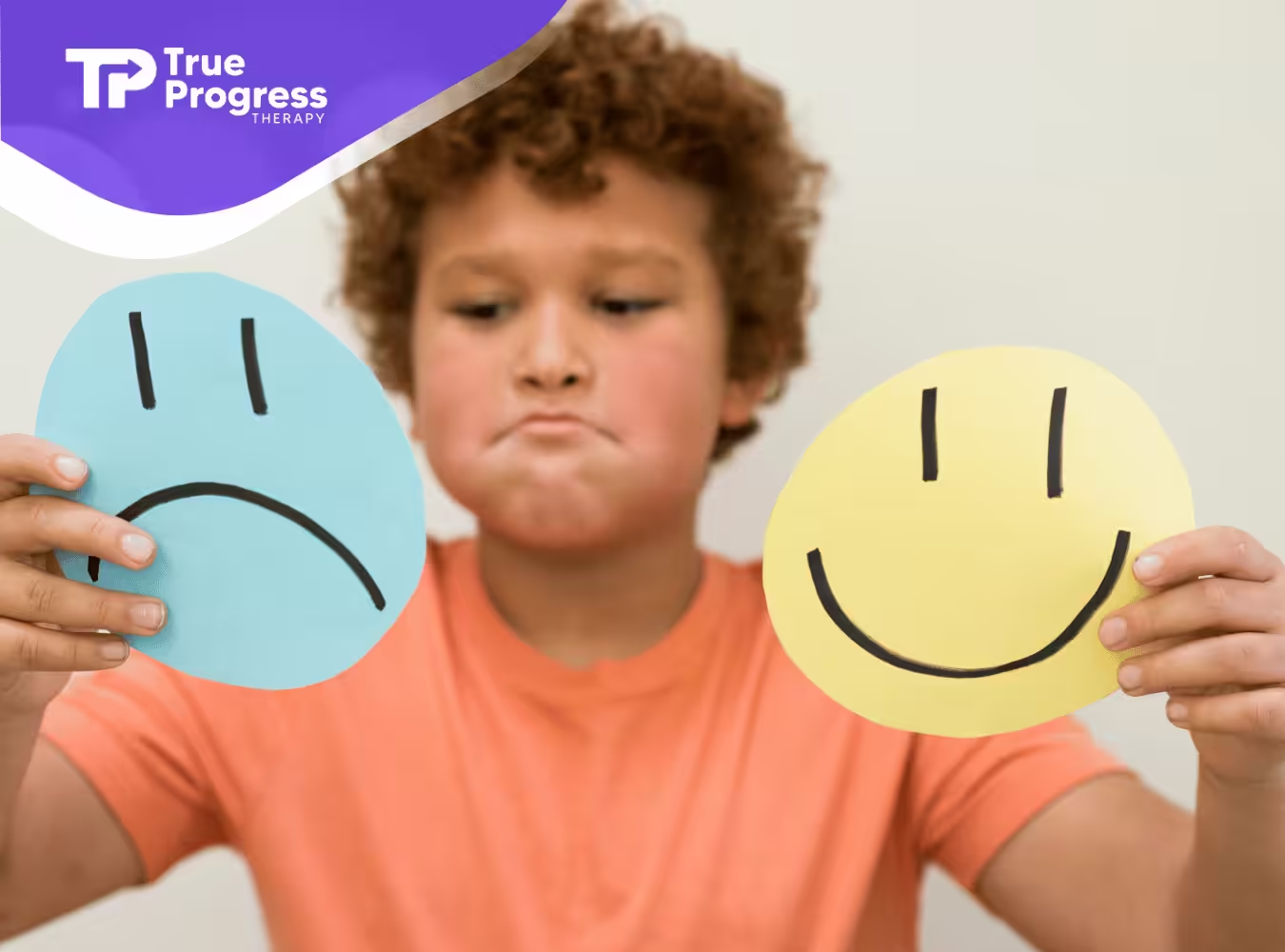
Can children with autism understand emotions? Absolutely, children with autism can understand emotions, but they may process and express them differently. While they might face challenges in recognizing facial expressions, body language, and tone of voice, they still experience a full range of emotions.
Research indicates that with appropriate support and interventions, children with autism can improve their emotional recognition and regulation skills. For instance, studies have shown that children with autism often have difficulties recognizing subtle or complex emotions, such as sadness or fear, more than basic emotions like happiness.
Early intervention programs, including in-home ABA therapy services, can be highly effective in teaching children with autism how to identify and manage emotions. These programs often utilize tools like emotion cards, social stories, and role-playing activities to enhance emotional understanding. Additionally, incorporating technology, such as apps designed to teach emotion recognition, can further support emotional development.
Children with autism possess the capacity to understand and express emotions. With tailored support and interventions, they can develop these skills effectively. If you’re s
eeking compassionate in-home ABA therapy services in New Jersey to support your child’s emotional growth, contact True Progress Therapy today.
Frequently Asked Questions (FAQs)
Can autistic children be emotionally aware?
Yes, autistic children can be emotionally aware. They may experience emotions intensely but might need assistance in recognizing and expressing them appropriately.
Are autistic children emotionally intelligent?
Emotional intelligence in autistic children varies. While some may struggle with recognizing and interpreting emotions, others demonstrate a deep understanding and empathy.
Are autistic kids self-aware?
Self-awareness in autistic children can differ. Some may have challenges in understanding their own emotions and behaviors, but with support, they can develop greater self-awareness.
How can I help my autistic child understand emotions?
Utilize tools like emotion cards, social stories, and role-playing activities. Engage in discussions about emotions during calm times to reinforce learning.
When should I seek professional help for my child’s emotional development?
If your child exhibits difficulties in recognizing or expressing emotions, or if emotional challenges are affecting their daily life, it’s advisable to consult with a professional specializing in autism and emotional development.
Related Posts
Raising a Bilingual Autistic Child: Does a Second Language Cause Delays?
After years into working with bilingual families at True Progress Therapy, I can usually tell within the first few minutes of an intake whether a parent has already been told to drop a language. There is a specific kind of guilt in how they phrase it: "We stopped speaking Spanish at home, just to be
Read article
Helping Siblings Explain Autism to Their Own Friends
Nearly every family I work with underestimates how soon this conversation actually arrives. Parents tend to picture it as a middle school problem, something to prepare for eventually, once their child is old enough to really understand what autism means. A family in Lakewood figured the same thing,
Read article
What to Teach Your Autistic Child If They Get Separated From You in Public
A mother called me in a panic last summer. Her son had wandered off during a five-minute stop at a crowded farmers market, and those five minutes felt like an hour before a stranger walked him back by the hand. Nearly half of children with autism attempt to elope, or wander from a safe adult, […]
Read article