

Exploring the Different Types of ABA Therapy for Kids

Navigating the world of ABA therapy can feel confusing, but it is really helpful. ABA therapy stands for applied behavior analysis. It is a scientific way to improve behaviors, communication skills, and social interactions. With proven methods, ABA has become a key therapy for children with developmental disorders, especially those on the autism spectrum. It is important to understand the different types and how they work. This knowledge helps you choose the best path for meaningful changes in your child’s life.
Understanding ABA Therapy
Applied Behavior Analysis (ABA) therapy is based on behavior analysis. It looks at how the environment affects behavior. This therapy breaks down human behavior into smaller, easy steps. It uses methods like positive reinforcement and goal-focused plans. By encouraging good behaviors and changing difficult ones, ABA therapy helps people learn new skills, communicate better, and interact with others.
Each ABA program is not the same for everyone. Every program is designed to fit individual needs. Experts, like board-certified behavior analysts (BCBAs), create and manage these therapy plans. This ensures each treatment is personalized. ABA methods can be used in schools, homes, and community places, showing how flexible it can be. As people progress, they can see improvements in memory, adaptive skills, and daily living. The goal of ABA therapy is to help children interact comfortably with the world around them.
Definition and Core Principles
At its heart, ABA therapy follows basic ABA principles. It aims to understand and change behavior in a clear way. These principles come from behavior analysis theories. They help therapists break down behaviors into triggers, actions, and results. This helps them find ways to intervene.
Positive reinforcement is very important for ABA’s success. When therapists reward good behavior, children are more likely to do it again. For instance, finishing a puzzle might lead to praise or a favorite toy. This makes learning feel good.
The therapy uses a step-by-step method. This helps teach specific behaviors, like academic skills, social skills, or adaptive actions, in small parts. Therapists keep track of how the child is doing and change rewards as needed. ABA’s organized but flexible approach makes it a top choice for helping with autism and other developmental issues.
How ABA Therapy Supports Child Development
ABA therapy is very important for improving communication skills. It helps children express what they need better. They learn to use words and also non-verbal signs, like gestures. These basic skills allow children to feel more confident when they interact with the world around them.
Social interactions also get better. ABA therapy helps children understand how to manage relationships. It teaches them to take turns and recognize feelings. Therapists work to build trust and make connections enjoyable. This helps children connect better with friends and family.
For kids facing developmental disorders, ABA therapy tackles skill challenges step-by-step. It works on everything, from moving better to doing daily tasks like brushing teeth or getting dressed. ABA programs make big tasks simple. This personalized help teaches children important life skills so they can live independently and successfully.
Key Types of ABA Therapy
ABA therapy has different types, each designed for certain skills and goals in development. Discrete Trial Training (DTT) teaches specific behaviors step by step. Early Intensive Behavioral Intervention (EIBI) is aimed at helping young children with autism spectrum disorder.
Natural Environment Training (NET) focuses on learning in real-life situations. This helps children build adaptive and social skills. Pivotal Response Training (PRT) looks at broader areas like motivation to encourage progress in overall development. These options meet the unique needs of each child.
Discrete Trial Training (DTT)
Characters are broken down into small steps when using discrete trial training (DTT). Each learning opportunity is organized. This way, specific skills are taught through practice and reinforcement. This approach improves communication skills and promotes good behaviors. It does this by clearly stating target behaviors and giving positive reinforcement after the right answers. DTT is especially useful for young children with autism spectrum disorder. It helps build academic skills and adaptive skills with personal help from a behavior analyst or trained technician.
Early Intensive Behavioral Intervention (EIBI)
Early Intensive Behavioral Intervention (EIBI) is a special type of ABA therapy for young children, especially those with autism spectrum disorder. This method provides strong instruction and focuses on small, manageable steps to improve communication skills and social interactions. EIBI practitioners, usually certified behavior analysts, create personalized treatment plans that meet specific needs. The aim is to encourage positive changes and support children in reaching their full potential through regular practice and rewarding good behavior.
Natural Environment Training (NET)
Natural Environment Training (NET) highlights how important it is for kids to learn in natural settings. Here, they can use their skills in real-life situations. This focus helps improve communication and social interactions, making learning more meaningful and fun. NET uses ideas from applied behavior analysis to help children develop functional and complex skills through positive reinforcement. Behavior analysts design interventions based on the specific needs of each child. This way, every child can progress at their own pace. It helps build adaptive skills and brings about positive changes in behavior.
Pivotal Response Training (PRT)
Pivotal Response Training (PRT) is an interactive method that focuses on important areas of a child’s growth. It emphasizes key skills like communication and social interactions. PRT helps keep children engaged by using natural ways to reinforce good behavior in daily life. This approach to ABA therapy breaks down complex skills into manageable steps. This way, children can build on their successes while dealing with challenging behaviors. Qualified professionals tailor PRT to meet individual needs. They aim to create positive changes and support effective skill development.
Choosing the Right ABA Approach
Choosing the best ABA therapy starts with knowing your child’s strengths and challenges. There are different methods like DTT, EIBI, NET, and PRT. Parents need to see which one fits best with their child’s development goals and needs.
Working with board-certified behavior analysts (BCBAs) helps in making these important decisions. These experts look at each situation to create effective treatment plans. Selecting the right type of ABA therapy is the first step towards real progress.
Factors to Consider for Effective Therapy
To get the best results from ABA therapy, it’s important to think carefully. First, look at how effective ABA is for your child. Focus on their specific challenges and how therapy can help. Use techniques like positive reinforcement that match your child’s learning style.
Next, consider individual needs. Every child is different, so it’s essential to pay attention to their unique traits. This can include sensory sensitivities or behavior patterns. Customizing the approach can make the therapy more effective.
Finally, working with qualified professionals is key. Team up with BCBAs who have the right skills in creating and implementing treatment plans. Their assistance ensures that ABA therapy brings clear and positive results.
Personalizing ABA Therapy to the Child’s Needs
No two children are exactly alike. That is why personalized ABA therapy is very important. Therapists create treatment plans based on each child’s specific needs, which they learn about during early meetings. For instance, a child who does not speak may do best with communication methods that use gestures at first.
Family members play a big part in personalizing therapy. Parents share information that helps ABA therapists create plans that match each child’s goals and family dreams. When caregivers are included in training, the skills learned can be used at home.
Personalized approaches help children achieve their developmental milestones instead of just working on general goals. This way, ABA therapy helps children face challenges and gain real independence.
Conclusion
In conclusion, knowing the different types of ABA therapy is important for parents looking for help with their children’s growth. Each method—like Discrete Trial Training, Early Intensive Behavioral Intervention, Natural Environment Training, or Pivotal Response Training—has special goals for various needs. By selecting the right method and adapting it to fit your child’s unique needs, you can build an effective therapeutic space that encourages growth and learning. If you want to learn more about these options, we invite you to get a free consultation. This can show you how ABA therapy can help improve your child’s life.
At True Progress Therapy, we understand that every child with autism is unique, and their therapeutic journey should reflect that. Our expert team utilizes a variety of evidence-based Applied Behavior Analysis (ABA) therapy types, tailoring our approach to meet your child’s specific needs and foster meaningful progress. We go beyond a one-size-fits-all model, carefully selecting and implementing the most effective strategies to help your child thrive. Choose True Progress Therapy for a personalized and comprehensive approach to ABA therapy that truly makes a difference.
Sources:
https://www.autismspeaks.org/applied-behavior-analysis
https://www.verywellmind.com/what-is-an-aba-design-2794809
https://www.autismspeaks.org/expert-opinion/what-discrete-trial-training
https://raisingchildren.net.au/autism/therapies-guide/early-intensive-behavioural-intervention
Related Posts
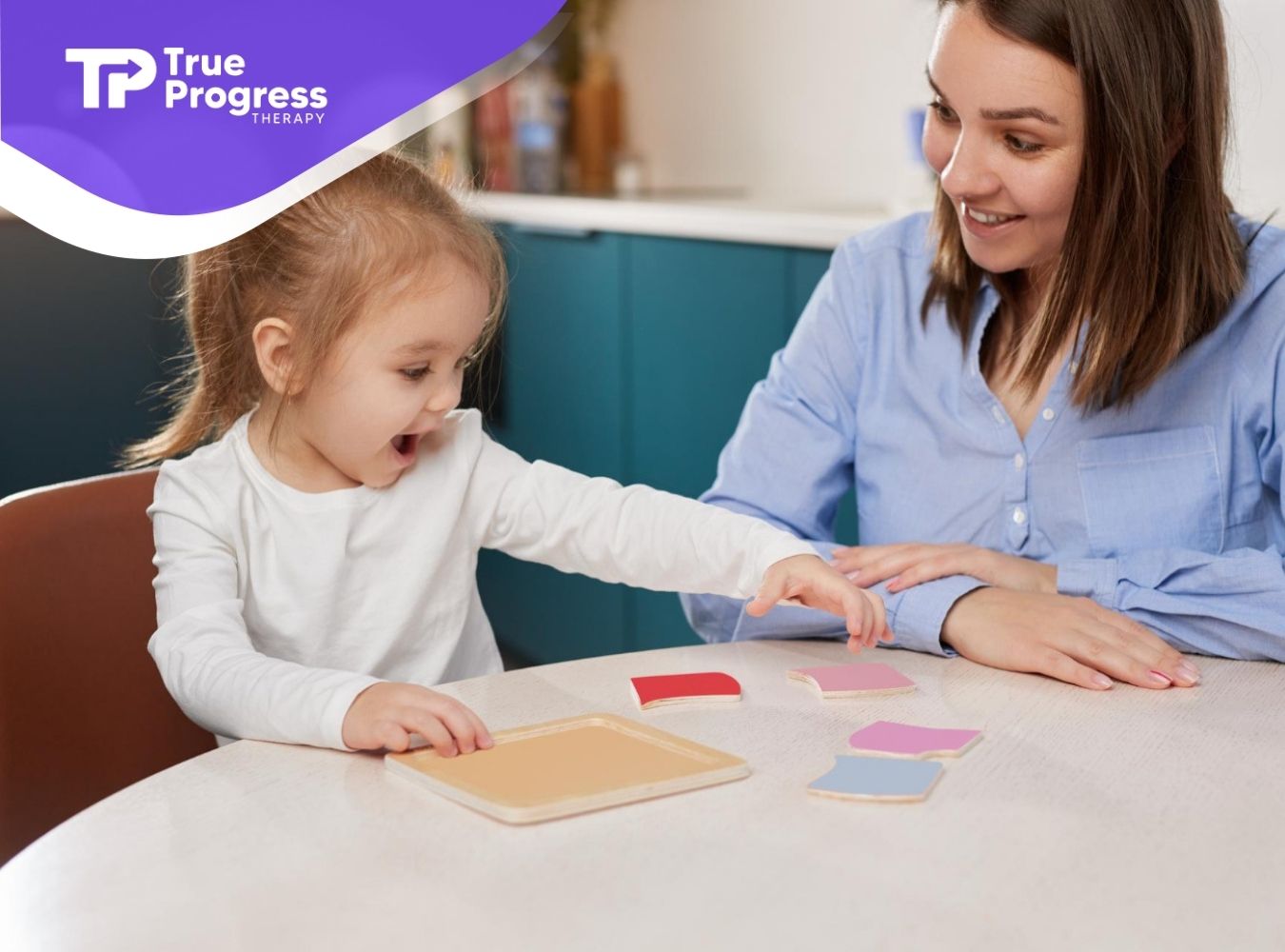
What Happens in Your First ABA Therapy Session? A Parent’s Walkthrough
Parents almost always brace for something clinical. A room, a clipboard, a set of tasks their child will either pass or fail. Then I sit down on the floor with a bin of toys and spend an hour doing what looks, from the doorway, like nothing much at all Here is what happens in your […]
Read article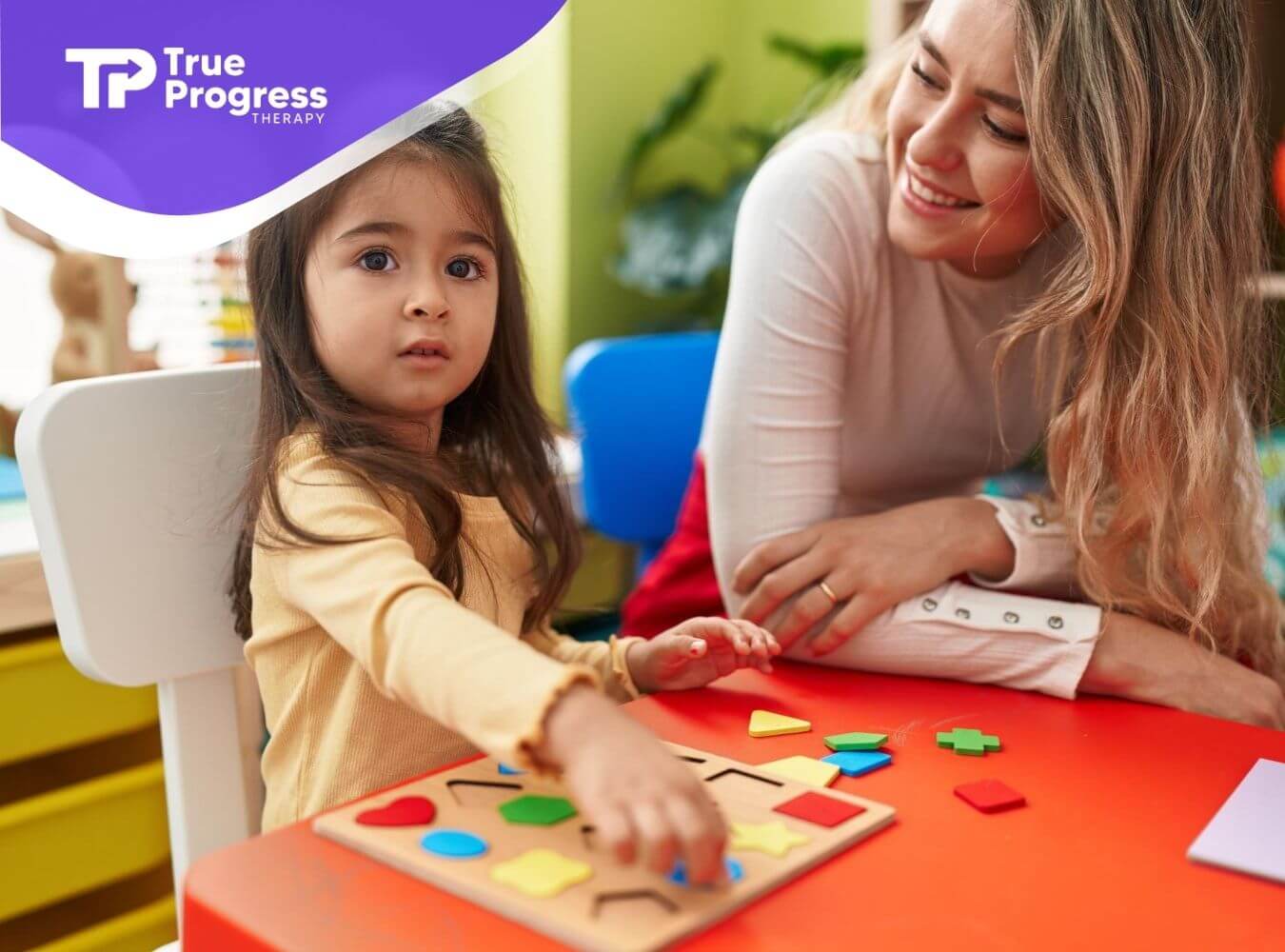
True Progress Therapy Brings Personalized ABA Services Into New Jersey Homes
Media Contact: True Progress Therapy 732-607-8783 info@trueprogresstherapy.com https://trueprogresstherapy.com/ NEW JERSEY, USA — For families navigating autism and developmental challenges, finding the right support shouldn’t mean disrupting daily routines. True Progress Therapy is redefining care
Read article
What Are the Three Main Causes of Autism?
Updated: June 9, 2026 If your child was recently diagnosed with autism—or you’re waiting on an evaluation—there’s a good chance one quiet question keeps surfacing late at night: "Did I cause this?" Maybe you’re replaying your pregnancy, a medication you took, your family history, or a hundred small
Read article