

Does ABA Teach Potty Training? Expert Insights Revealed
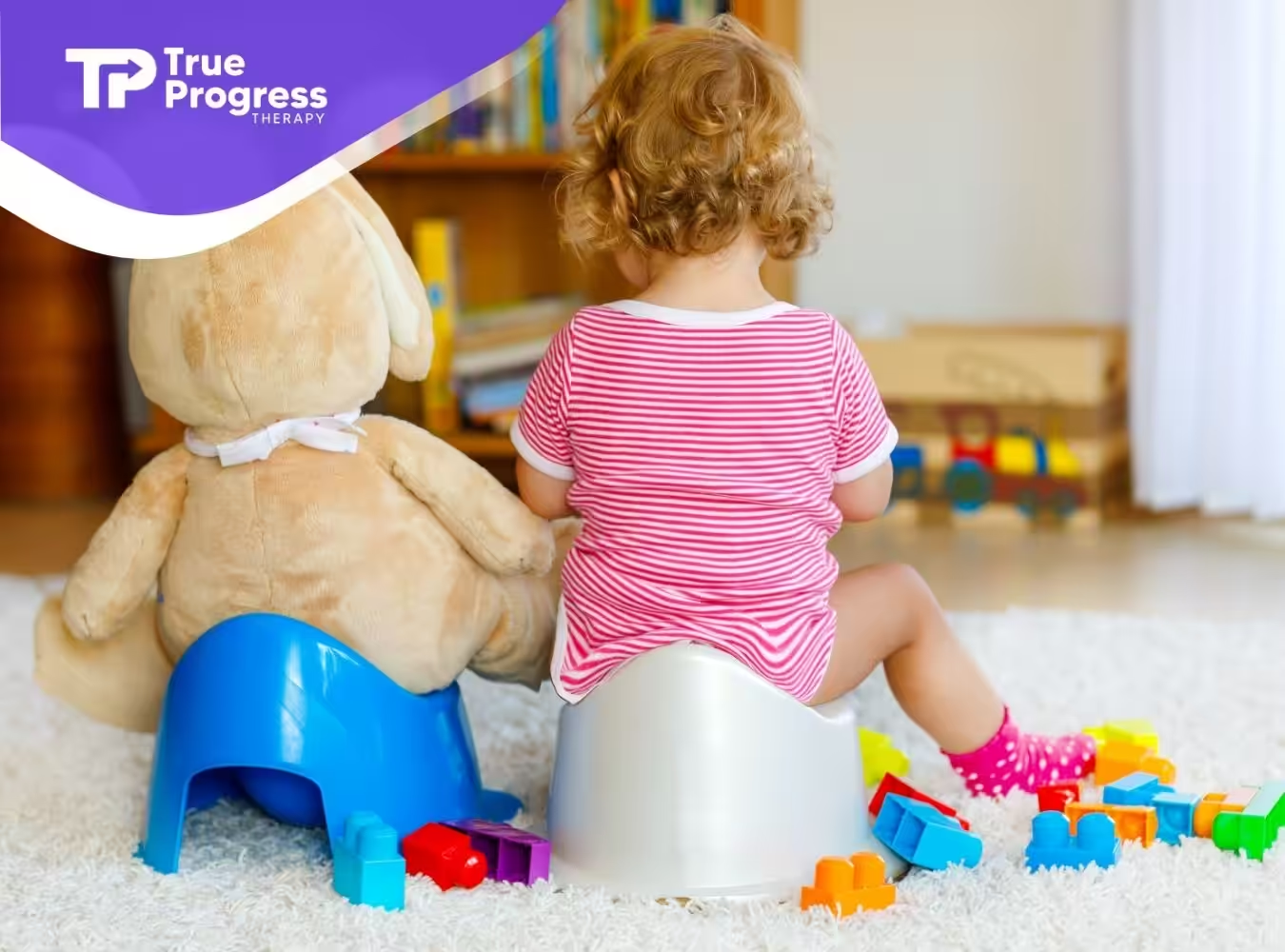
Potty training can be tough, especially for kids on the autism spectrum. Traditional ways might not always help, but ABA therapy offers a strong solution. ABA, or Applied Behavior Analysis, uses positive reinforcement and planned strategies to teach important skills. This makes it a good way to learn toilet training, especially when considering an intensive toilet training program. When parents mix ABA with patience and preparation, they can help their child face challenges and succeed in potty training. Let's look at how this science-based method helps build this important skill.
Introduction to ABA and Its Role in Potty Training
Each child's path to using the toilet on their own is different. ABA therapy makes this important milestone easier by breaking it down into small steps that fit your child's needs. It uses methods like asking for help, setting up routines, and rewarding good actions. Parents and ABA therapists work together to help autistic children with potty training, giving them regular support and motivation.
This way of teaching not only helps children learn new skills but also builds a stronger connection between caregivers and kids. This can help in other everyday activities too.
What is ABA Therapy?
Applied Behavior Analysis (ABA) therapy helps us understand and change behavior using scientific methods. It provides an effective learning experience by using positive reinforcement to support desired actions. For example, when a child successfully sits on the potty, they get praise or a small reward. This encourages them to repeat the behavior and keep learning.
ABA is known for effectively helping children with autism spectrum disorder learn important life skills, including essential social skills. It can be used at home or in organized settings, making it easy for families to use.
A key method in ABA is discrete trial training. This breaks bigger tasks into smaller, simple steps. For potty training, this could mean steps like sitting, wiping, flushing, and washing hands, with praise given after each step. This method boosts your child's confidence and improves their ability to learn important skills.
How ABA Can Be Applied to Potty Training
Using ABA techniques for potty training means using special methods that fit your child's needs. The process starts by breaking potty training into small steps, utilizing a systematic approach. These steps include going into the bathroom, sitting on the potty, and wiping correctly. Giving positive reinforcement, like verbal praise and rewards, can help boost their successful attempts.
Collecting data is important too. Parents or ABA therapists look at a child's bathroom habits. This helps a trained BCBA create consistent schedules and offers ideas about their needs. This clear plan allows your child to learn each step at their own speed.
ABA also helps with communication during potty training. Children who don’t speak can use signs or Picture Exchange Communication Systems (PECS). This helps them express their bathroom needs clearly and builds their confidence. This method helps every child succeed in potty training.
Assessing Readiness for Potty Training in Autistic Children
Knowing if your child is ready is very important before starting potty training for autistic children. Each child learns at their own pace, so it’s vital to spot physical and behavioral signs. Readiness signs, like being able to control their bladder and showing interest in using the bathroom, help parents know when to start training.
By watching their child’s habits and how they grow, parents can make sure the training fits their child’s needs. Next, we will look at specific signs to help you see if your child is ready for potty training.
Signs of Physical Readiness
Physical readiness is important for successful potty training, including nighttime training. If your child can stay dry for two to three hours during the day, it shows they are starting to develop bladder control. This is a key sign to begin training.
Looking at bowel movement patterns can be helpful, too. Knowing when your child usually goes makes planning bathroom breaks much easier. This matches their natural rhythm, which helps with comfort and consistency. Children also need basic motor skills, like undressing and climbing onto the potty.
Being aware of their body signals is crucial. If your child stops playing or seems uncomfortable, or experiences discomfort when wet, it shows they are becoming aware of their bowel and bladder functions. When you put these signs together with clear instructions and visual aids, potty training becomes easier for your child.
Behavioral Indicators of Readiness
Behavioral readiness shows if a child is emotionally and mentally prepared for potty training. You can look for signs of your child’s readiness, like being curious about using the bathroom. This can be things like watching others or asking questions about the potty.
Another sign is if they can follow simple instructions. This skill is important for actions like sitting on the toilet and wiping. Children who feel uncomfortable in dirty diapers or who like to be clean are also ready to switch to using the potty.
Cooperation is very important too. If your child seems excited or eager to participate in potty training activities, they are likely ready for it. By recognizing these behavioral signs, you can make sure that your potty training approach fits their needs and creates a positive experience.
Essential Preparations for Potty Training
Preparation is key for any potty training journey. Having the right tools and creating a good environment helps ensure success. Choose equipment like potties and timers. Establishing a routine cuts down on stress.
Caregivers can help by sticking to a consistent schedule and using clear verbal cues. This method sets clear expectations and boosts confidence in your child. Next, we will look at the equipment you need and how to create a caring atmosphere for your child’s progress.
Necessary Equipment and Resources
Setting up the right tools for potty training is key to a smooth process. Choose a comfy potty chair that fits your child’s size and taste. This will help them feel good about using it. Use a timer to set regular bathroom times. This helps build a routine.
Data sheets can give you helpful details about your child’s progress. Watching their bathroom habits can help you adjust your methods and follow their pace of learning. Also, make sure to use rewards just for potty successes, like stickers or special toys, to help them stay motivated.
Having practical items like extra dry clothes is also a good idea for when accidents happen. Pants with elastic waistbands can help your child learn to dress themselves. When you gather these tools, you create a space that helps with successful toilet training and meets your child’s individual needs.
Creating a Supportive Environment
A caring atmosphere is important for successful toilet training. Being consistent with words, schedules, and rewards helps reduce confusion and boosts your child’s confidence. Giving positive reinforcement, like praise, makes your child excited for each attempt.
Make sure all caregivers follow the same routine. This helps your child get used to the same ways at home and elsewhere, which can lower stress. You can create visual schedules or use cue cards to make steps easier for kids who learn better with visual aids.
Being patient and encouraging helps create a calm environment. Enjoy potty training by celebrating small victories and calmly dealing with setbacks. Building this supportive space not only helps in potty training but also strengthens your child’s emotional skills.
Step-by-Step Guide to Potty Training Using ABA
A clear, step-by-step plan helps autistic children learn how to use the potty well. Potty training can be a challenging milestone for autistic children, and ABA strategies divide the process into small tasks that use positive reinforcement. Beginning with routines and slowly introducing the potty makes it easier for your child to learn.
With consistency and personalized methods, every step is supported with praise and rewards for any successful attempts. Let's look closely at each stage, starting with setting up a routine that fits your child’s individual needs.
Step 1: Establishing a Routine
Building routines helps your child get used to potty training. This is important for success. Begin by scheduling bathroom breaks that match your child’s natural times for going to the toilet, following a consistent potty schedule. This will reduce stress and create a strong, clear routine.
Next, use timers to remind you when it’s time for a break. For instance, set an alarm every 30 minutes or when your child shows signs that they need to go. As your child gets better at this, adjust the timing to encourage independence.
Routine Step | Method |
|---|---|
Schedule Regular Breaks | Set bathroom visits based on potty intervals. |
Timer Utilization | Use reminders to create predictability. |
Reward Successful Attempts | Praise or motivate with preferred incentives. |
Sticking to the routine is very important for your child to feel comfortable. Having a set routine not only makes potty training easier but also gives your child a sense of control. This helps lead to better results.
Step 2: Introducing the Potty
Introducing the potty for kiddos should happen slowly. This will help your child feel relaxed. Start by putting the potty chair in a place they know well, like your home bathroom. Let your child see and explore the potty whenever they want.
Use spoken instructions or gestures that match how they communicate. For example, if your child uses PECS, show them a potty image to signal when it’s time for bathroom breaks. Tailoring your approach to your child’s individual needs makes it easier for them.
Set up practice times where your child can sit on the potty without the need to go. Short sessions with positive reinforcement can build trust and help reduce any hesitation. This gentle start acknowledges that accidents are a natural part of the learning process and prepares them for using the potty successfully in the future.
Step 3: Positive Reinforcement Techniques
Positive reinforcement is very important for helping your child with potty training. Every time they do something right, like sitting, flushing, or going to the bathroom, give them praise or a small reward as a powerful reinforcer.
Pick rewards that suit your child’s likes. You can use stickers, toys, or other fun treats just for potty training. This will keep them excited about their progress. Make sure the goals are simple so your child feels successful with each step.
Be sure to encourage them regularly. Saying things like “Great job!” or giving a high-five after each success helps boost their confidence. For bigger achievements, like having a bowel movement, offer bigger rewards to increase their motivation. Using positive reinforcement makes the potty training journey enjoyable and effective.
Conclusion
In conclusion, knowing the basics of Applied Behavior Analysis (ABA) can really help you with potty training your autistic child. It's important to spot signs of readiness and to make a supportive space, including choosing appropriate reinforcement. This will help set things up for an easier process. The step-by-step guide highlights routines and positive reinforcement. It gives useful strategies that can lead to success. As you start this journey, remember that patience and consistency are key. Your commitment will help reach potty training goals and build confidence in your child. If you have more questions or want personal help, feel free to ask for expert advice and support.
At True Progress Therapy, our expertise in Applied Behavior Analysis (ABA) extends to supporting a wide range of developmental milestones, including crucial self-care skills like potty training. Our Board Certified Behavior Analysts (BCBAs) develop individualized, evidence-based programs that break down complex tasks into manageable steps, utilizing positive reinforcement and data-driven strategies to promote success and independence in this important area. Trust True Progress Therapy for expert guidance and compassionate support in achieving your child's potty training goals.
Frequently Asked Questions
What is the best age to start potty training an autistic child?
There is no specific age to start potty training children with autism spectrum disorder. What is important is their readiness. You should look for signs such as being able to control their bladder, showing interest in potty routines, and understanding simple instructions. Usually, readiness shows up between the ages of two to four. Using tailored ABA techniques can help ensure their success during this time.
Sources:
https://pottygenius.com/blogs/blog/potty-training-a-child-with-autism-using-aba
https://www.autismspeaks.org/applied-behavior-analysis
https://www.milestones.org/resources/tool-kits/toilet-training-tool-kit/getting-started
Related Posts
What Happens in Your First ABA Therapy Session? A Parent’s Walkthrough
Parents almost always brace for something clinical. A room, a clipboard, a set of tasks their child will either pass or fail. Then I sit down on the floor with a bin of toys and spend an hour doing what looks, from the doorway, like nothing much at all Here is what happens in your […]
Read article
True Progress Therapy Brings Personalized ABA Services Into New Jersey Homes
Media Contact: True Progress Therapy 732-607-8783 info@trueprogresstherapy.com https://trueprogresstherapy.com/ NEW JERSEY, USA — For families navigating autism and developmental challenges, finding the right support shouldn’t mean disrupting daily routines. True Progress Therapy is redefining care
Read article
What Are the Three Main Causes of Autism?
Updated: June 9, 2026 If your child was recently diagnosed with autism—or you’re waiting on an evaluation—there’s a good chance one quiet question keeps surfacing late at night: "Did I cause this?" Maybe you’re replaying your pregnancy, a medication you took, your family history, or a hundred small
Read article