

Rewarding Indoor Activities for Autistic Adults to Experience
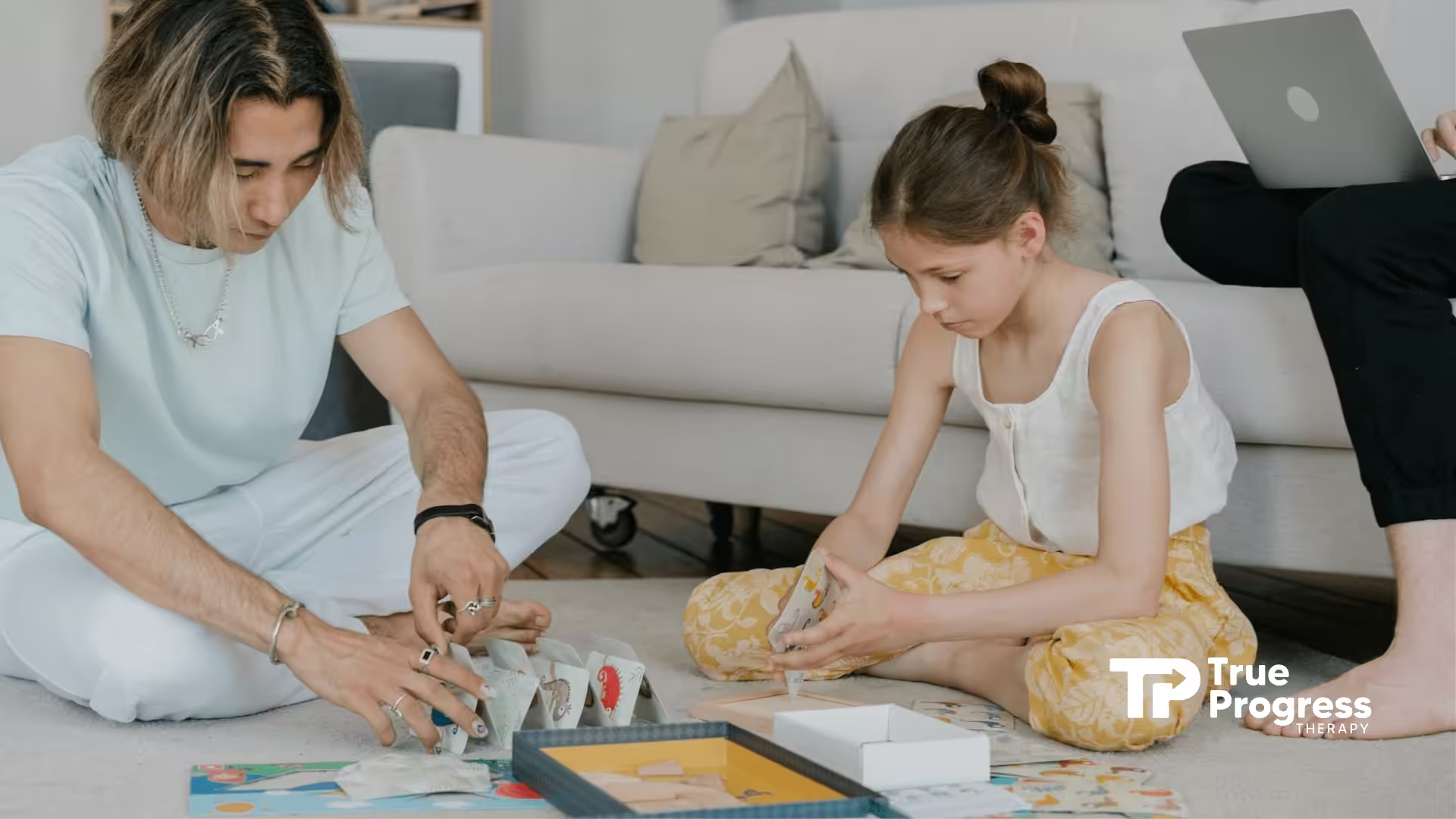
Indoor activities for autistic adults can provide rewarding opportunities for skill development, sensory regulation, and creative exploration. They range from cooking and gardening to mindful breathing and game play. This guide highlights engaging options that can be tailored to individual strengths and interests.
This comprehensive overview offers evidence-based suggestions to support caregivers, therapists, and educators in selecting indoor pursuits that foster social interaction, fine motor skills, and relaxation.
Culinary Lessons And Baking
Autistic adults often benefit from structured, multi-sensory tasks. Cooking and baking deliver predictable routines, visual cues, and tactile feedback. Following a recipe can enhance sequencing skills and build confidence in the kitchen.
Structured Recipe Activities
- Simple baking projects, such as muffins or cookies, let participants follow clear steps
- Meal preparation tasks like chopping vegetables or assembling sandwiches promote fine motor control
- No-cook snacks, think overnight oats or parfaits, minimize safety concerns for beginners
These activities can be adjusted for dietary preferences, skill levels, and equipment availability. Visual recipe cards, timers, and color-coded utensils help reinforce each stage of preparation.
Benefits For Skills Development
Cooking and baking support a range of developmental goals. They encourage:
- Executive Functioning – Planning, sequencing, and task initiation
- Sensory Integration – Exploring textures, smells, and temperatures
- Social Engagement – Sharing recipes or tasting sessions with peers
Regular practice can boost independence and provide a tangible sense of accomplishment. Caregivers can celebrate each culinary success to reinforce motivation.
Art And Craft Projects
Creative arts offer a nonverbal outlet for expression and exploration. From painting to origami, craft projects can be adapted to suit different sensory preferences and motor abilities.
Exploring Different Mediums
- Painting and drawing deliver visual feedback and color recognition
- Sculpting with clay or Play-Doh enhances hand strength and compression awareness
- Paper crafts like origami or collage refine precision and concentration
Rotating materials keeps the experience fresh. For example, they might try watercolor one week and textured collage the next.
Adaptations For Accessibility
- Provide ergonomic brushes or thicker handles for better grip
- Offer noise-reducing headphones to limit auditory distractions
- Use aprons and mats to contain mess and simplify cleanup
By addressing sensory sensitivities and motor challenges, craft activities remain enjoyable and frustration-free.
Building And Construction Projects
Assembling kits and models appeals to logical thinkers who enjoy hands-on problem-solving. This category includes everything from simple block towers to complex scale models.
Modular Kits And Models
- Interlocking blocks (such as LEGO) support free-form design and pattern following
- Scale model kits, such as cars, airplanes, and architecture, introduce instruction-based building
- Magnetic tiles offer easy attachment and immediate visual validation
Instruction booklets, picture guides, and digital tutorials can scaffold learning and reduce reliance on verbal instructions.
Cognitive And Motor Benefits
Construction tasks promote:
- Spatial Reasoning – Understanding shapes, symmetry, and balance
- Fine Motor Precision – Pinching, snapping, and rotating small pieces
- Project Completion – Following multi-step processes to an end product
Group builds encourage collaboration and peer support, while solo projects foster independent focus.
Indoor Gardening And Plant Care
Micro-gardening brings the outdoors inside, offering a soothing, sensory-rich activity. Working with plants can reduce stress and teach responsibility.
Getting Started Indoors
- Select easy-care plants such as succulents, pothos, or herbs
- Provide lightweight pots and labeled watering cans
- Create visual schedules for watering, pruning, and observing growth
Clear checklists and timers help individuals track each task and celebrate plant milestones.
Therapeutic Aspects
Indoor gardening delivers:
- Sensory Engagement – Soil texture, leaf patterns, and gentle aromas
- Emotional Regulation – Watching growth can instill patience and calm
- Responsibility – Caring for living organisms reinforces routines
Integrating plant care into daily schedules can offer structure and a sense of purpose.
Board Games And Video Games
Structured play experiences can sharpen social skills, strategic thinking, and hand-eye coordination. Both board games and video games have unique advantages.
Social And Strategic Play
- Cooperative board games emphasize teamwork and turn-taking
- Strategy games challenge planning and rule-following
- Adapted dice and card holders can assist with grip difficulties
Supervised group sessions encourage verbal and nonverbal interaction in a low-pressure setting.
Solo Gaming Options
- Puzzle apps and single-player video games allow focus on individual mastery
- Interactive story games promote reading comprehension and decision-making
- Motion-controlled games (e.g., dance or sports simulations) add a light-exercise component
Caregivers should monitor screen time and select age- and skill-appropriate titles.
Mindfulness And Sensory Practices
Mindful movement and sensory tools can help regulate anxiety and improve focus. Research shows weighted vests and blankets can yield measurable improvements in behavior and calmness.
Yoga And Meditation
Yoga sessions tailored to individual abilities foster body awareness and relaxation. Key adaptations include:
- Using blocks or straps to modify poses
- Incorporating guided imagery or simple breathing cues
- Short sessions (5–10 minutes) to match attention spans
Meditation apps with visual timers and soothing sounds can guide beginners through brief mindfulness exercises.
Sensory Tool Comparison
Sensory Tool | Study Findings |
|---|---|
Weighted Vest | On-task behavior improved by 18% to 25% in a 2001 classroom study |
Weighted Blanket | 63% of participants reported lower anxiety; 78% preferred the blanket as a calming tool |
These tools can be used during quiet reading, art time, or transitions between activities to maintain a steady level of calm.
Reading And Writing Activities
Literacy-based pursuits support language development, imagination, and shared engagement. They can be particularly meaningful for nonverbal individuals through collaborative formats.
Shared Reading Sessions
Paired reading, where one person reads aloud and the other follows along silently, builds comprehension and listening skills. Visual storyboards or symbol cards can reinforce narrative elements.
Creative Writing Projects
Encourage journaling or comic-style storytelling. Prompts might include:
- Describing a favorite place
- Illustrating a short adventure story
- Writing letters to friends or family
These exercises invite self-expression and can be adapted with typing, speech-to-text, or drawing tools.
Communication And Expression Exercises
Alternative communication methods and expressive arts empower individuals to share thoughts and feelings without reliance on verbal speech.
Sign Language Learning
Basic sign language lessons introduce a structured, visual communication system. Flashcards, videos, and mirror practice support gradual mastery of key signs for everyday needs.
Music And Dance
Rhythmic activities, from free-form dance to simple drumming, engage auditory and motor pathways. Benefits include:
- Nonverbal Expression – Conveying emotion through melody or movement
- Coordination – Synchronizing limbs and rhythm
- Social Bonding – Joint music-making or dance circles
Adaptive instruments, such as hand drums or digital apps, can accommodate varying motor skills.
Choosing Appropriate Activities
Selecting the right indoor pursuits requires matching each individual’s interests, strengths, and sensory preferences. A tailored approach maximizes engagement and enjoyment.
Assessing Interests And Abilities
- Observe past activities that elicited joy or focus
- Consult preference inventories or visual choice boards
- Trial small-scale versions before committing to larger projects
Recording successes and challenges helps refine future selections.
Creating A Supportive Environment
- Designate a quiet, organized space with minimal distractions
- Provide visual schedules, timers, and clear instructions
- Offer choices and autonomy to build self-confidence
Collaboration among family, therapists, and educators ensures consistency and reinforcement across settings.
Conclusion
Indoor activities for autistic adults span culinary arts, creative projects, construction tasks, gardening, games, mindfulness, literacy, and expressive exercises. Each category supports specific developmental goals, from motor skills to emotional regulation. Practitioners can combine structured routines with choice and sensory accommodations to foster skill growth and personal satisfaction.
Caregivers and professionals are encouraged to introduce one new activity at a time, monitor responses, and adjust based on individual feedback. Sharing successes with peers and teams can inspire fresh ideas and strengthen support networks.
At True Progress Therapy, we believe that meaningful growth happens both inside and outside traditional therapy sessions. That’s why our ABA programs in New Jersey integrate engaging indoor activities, like cooking, art, games, and mindfulness, into personalized treatment plans for autistic adults. These activities not only build essential life skills but also foster confidence, creativity, and independence.
Contact us today to learn how our ABA services can support your loved one with autism through individualized programs that make everyday activities part of their progress.
Frequently Asked Questions
What are the best indoor activities for autistic adults?
Popular indoor activities include cooking, gardening, board games, art projects, mindfulness exercises, reading, and building tasks. These activities support motor skills, communication, emotional regulation, and social interaction.
How do indoor activities help autistic adults?
Indoor activities provide structured opportunities to build life skills, improve sensory regulation, reduce anxiety, and encourage self-expression—all while offering a safe, controlled environment.
Can ABA therapy include indoor activities?
Yes. ABA therapy often incorporates indoor activities as part of natural environment teaching (NET). Activities are selected to align with personal goals, making therapy more engaging and effective in everyday life.
SOURCES:
https://www.integrityinc.org/7-sensory-activities-for-adults-with-autism/
https://ocl.ca/11-activities-for-nonverbal-autistic-adults/
https://www.autismparentingmagazine.com/daily-activities-autistic-children/
https://www.tandfonline.com/doi/pdf/10.1080/20473869.2025.2483277
https://www.herojourney.club/blog/activities-for-kids-with-autism
Related Posts
Engaging Art Activities for Adults with Autism
Art activities for adults with autism offers a unique and powerful way to express emotions, build social connections, and enhance cognitive skills. Some people use art to regulate after work. Others use it to focus their attention when their mind feels busy. Some use it as a nonverbal way to show wh
Read article
Building Brighter Futures: Effective Vocational Activities for Autistic Adults
Vocational Training for Autistic Adults Importance of Vocational Training Vocational training plays a crucial role in empowering individuals with autism to achieve vocational success. It provides specialized training and support, develops essential skills, and increases their employment opportunitie
Read article
Unlocking Social Potential: Engaging Social Activities for Adults with Autism
Social Activities for Autistic Adults Exploring the realm of social activities for adults with autism presents a unique opportunity to enhance social engagement while addressing various challenges faced in social interactions. Importance of Social Engagement Social engagement plays a significant rol
Read article