

The Amazing Sensory Room Benefits for Autism You Should Know
Understanding Sensory Rooms
Definition and Purpose
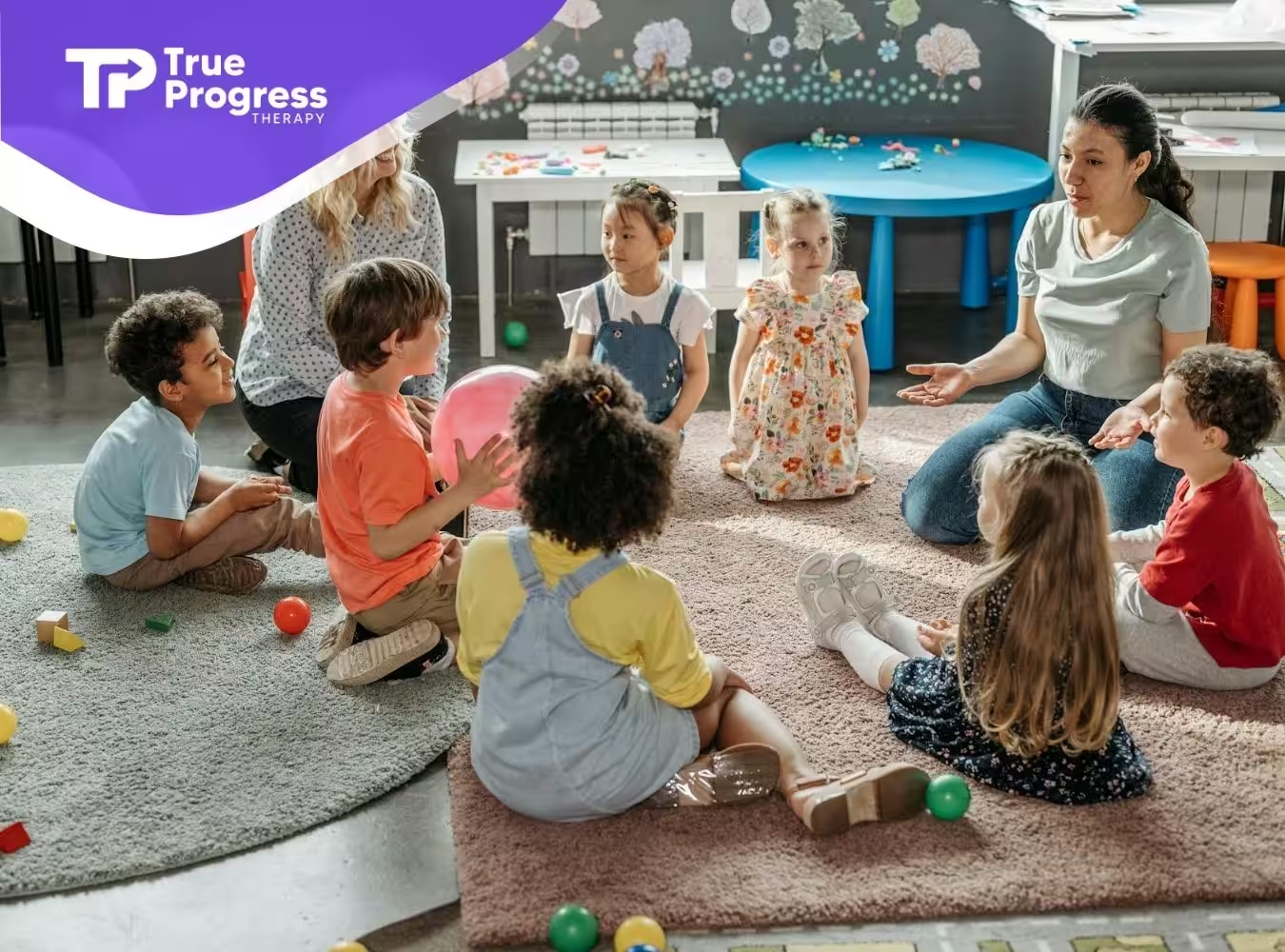
A sensory room is a dedicated space that offers controlled sensory input. It aims to help individuals with autism process sensations in a safe environment. Sensory rooms can support exploration of light, sound, texture, and movement while promoting self-regulation.
Key Components
- Adjustable lighting and LED panels for visual stimulation
- Tactile tools such as texture boards, therapy balls, and fidget items
- Auditory elements like music players or nature soundtracks
- Proprioceptive equipment including swings, crash mats, and weighted blankets
- Olfactory features such as gentle scent diffusers
- Interactive modules like bubble tubes, projectors, and interactive wall panels
Core Benefits for Autism
Sensory rooms deliver a range of advantages. They support sensory integration, reduce overload, and boost functional skills.
Sensory Regulation
Autistic individuals often face sensory overload or under-responsiveness. A sensory room lets them adjust stimuli intensity at their own pace. Studies show that active control over changes leads to increased attention and fewer repetitive motor behaviors.
Emotional Support
Calming lights and predictable sounds can lower anxiety levels. Deep pressure rollers and weighted blankets encourage relaxation and self-soothing, helping individuals manage stress in and beyond therapy sessions.
Motor Skills Enhancement
Equipment such as balance beams and swings improves gross motor coordination. Manipulating tactile items promotes fine motor development. Combined sensory therapy has demonstrated gains in motor skills among children diagnosed with autism.
Social Interaction
Group sensory activities foster turn-taking, eye contact, and verbal exchanges. Shared use of equipment creates natural opportunities for peer engagement and cooperative play.
Evidence From Research
Empirical studies highlight the impact of sensory environments. The table below summarizes key findings.
Research Focus | Source | Key Finding |
|---|---|---|
Attention and repetitive behaviors | PMC | Active-change condition led to higher attention levels and fewer repetitive motor behaviors |
Parent satisfaction and engagement | PubMed Central | 78.2 % of parents rated therapy highly effective; 98 % would recommend |
Ongoing sensory regulation | Controlled, relaxing environment supports daily sensory integration |
Autism-Specific Studies
In one study, autistic children aged 4–12 had autonomy over sensory equipment. Those in the active-change group showed significantly fewer and shorter repetitive motor behaviors, and more sustained attention.
Parent Satisfaction and Outcomes
A 10-year Lebanon study of 548 children found that adding sensory room therapy to conventional methods raised average PCQIA scores from 34.1 to 41.7. Most parents reported notable behavior improvements and increased extracurricular engagement.
Multisensory Control Benefits
Giving individuals the ability to adjust lights, sounds, and textures on demand can lower arousal levels and foster a sense of agency. This autonomy supports smoother transitions and better learning conditions.
Designing Effective Spaces
Creating a functional sensory room requires thoughtful planning. The space must balance stimulation with safety and accessibility.
Sensory Equipment Overview
- Lighting: dimmable fixtures, LED color panels
- Textures: wall panels, tactile boards, soft mats
- Sound: speakers for nature tracks or white noise
- Proprioception: swings, therapy balls, crash pads
- Scent: essential oil diffusers, mild fragrances
- Interactive: bubble tubes, projectors, touch-activated panels
Customization Strategies
Therapists should conduct sensory profiles to identify individual preferences. Tailor equipment and session duration to hypo- or hyper-sensitivities for optimal engagement.
Safety and Accessibility
Secure mounts for hanging equipment. Provide soft flooring under dynamic elements. Maintain clear pathways for wheelchairs and supervision. Use padding on walls and corners to prevent injuries.
Integrating Into ABA Therapy
Sensory rooms complement applied behavior analysis by addressing underlying sensory needs alongside skill development.
Complementing Conventional Methods
Incorporate brief sensory breaks within ABA sessions. Pair sensory activities with social or communication targets to reinforce therapeutic goals.
Therapist and Educator Roles
ABA therapists and school staff should receive basic training in sensory integration techniques. Collaboration ensures consistent approaches across home, clinic, and classroom.
Session Structure
- Begin with a brief sensory assessment
- Introduce one or two sensory tools at a time
- Observe responses and adjust stimuli levels
- Link sensory experiences to behavior goals
Assessing Impact and Outcomes
Ongoing evaluation ensures that sensory interventions remain effective.
Behavioral Measures
Track frequency of target behaviors such as hand flapping or vocalizations. Use direct observation checklists to record changes over time.
Standardized Assessments
Employ tools like the Parental Concerns Questionnaire Inferring Alterations (PCQIA) to quantify progress and guide adjustments.
Ongoing Monitoring
Schedule periodic reviews involving therapists, educators, and family members. Update sensory plans as skills develop and preferences shift.
Managing Practical Considerations
Successful implementation depends on balancing resources with therapeutic needs.
Budget and Resources
Equipment costs can range from affordable portable kits to high-end interactive modules. Consider starting with core elements like lighting, tactile mats, and swings before expanding.
Staff Training
Offer in-house workshops or online courses on sensory processing disorder and autism strategies. Well-trained staff can maximize safety and therapeutic value.
Evolving Needs
Sensory preferences change with age and experience. Regularly reassess goals, update equipment, and refine session formats to match individual growth.
Conclusion
Sensory rooms offer measurable benefits across sensory regulation, emotional support, motor skills, and social interaction. Research confirms improved attention levels, reduced repetitive behaviors, and high parent satisfaction. ABA therapists, educators, and family members in New Jersey can collaborate to design tailored spaces that meet each individual’s sensory profile. Stakeholders are encouraged to seek expert guidance, secure appropriate equipment, and implement structured assessments. Professionals and family members can share these insights with colleagues and support networks to foster broader adoption of sensory room strategies.
At True Progress Therapy, we integrate personalized sensory room strategies into our ABA therapy programs to help children with autism regulate emotions, improve focus, and build essential life skills. Our team works closely with parents, educators, and therapists to create safe, engaging environments that match each child’s unique sensory profile.
If you’re in New Jersey and want to explore how a sensory room can support your child’s growth, contact us today to learn more about our in-home ABA services in NJ and expert sensory integration guidance.
Frequently Asked Questions
What is a sensory room and how does it help children with autism?
A sensory room is a controlled space designed to provide calming or stimulating activities that help improve sensory processing, focus, and emotional regulation.
Can sensory room activities be part of ABA therapy?
Yes. Many ABA therapists incorporate sensory room time into treatment plans to enhance engagement and learning outcomes.
What features should an effective sensory room for autism include?
An effective sensory room often includes items like textured mats, weighted blankets, soft lighting, swings, and tactile toys—customized to match each child’s sensory needs.
SOURCES:
https://www.asd-1817.org/news-story?pk=1102483
https://pmc.ncbi.nlm.nih.gov/articles/PMC9340127/
https://pmc.ncbi.nlm.nih.gov/articles/PMC11496388/
https://pasadenavilla.com/resources/blog/benefits-of-a-sensory-room-for-adults-with-autism/
https://nationalautismresources.com/school-sensory-rooms/?srsltid=AfmBOorKtlbDvfJ3BVYSiPKDDOmvnqrtGu96rXgZmS9syKM_jKITp2OP
https://funandfunction.com/sensory-room-equipment?srsltid=AfmBOorYVaK3F7YsLZZD96s6UFchXRIvpR8hcjiMuaru76hAcP7xYQ2v
Related Posts

What Happens in Your First ABA Therapy Session? A Parent’s Walkthrough
Parents almost always brace for something clinical. A room, a clipboard, a set of tasks their child will either pass or fail. Then I sit down on the floor with a bin of toys and spend an hour doing what looks, from the doorway, like nothing much at all Here is what happens in your […]
Read article
True Progress Therapy Brings Personalized ABA Services Into New Jersey Homes
Media Contact: True Progress Therapy 732-607-8783 info@trueprogresstherapy.com https://trueprogresstherapy.com/ NEW JERSEY, USA — For families navigating autism and developmental challenges, finding the right support shouldn’t mean disrupting daily routines. True Progress Therapy is redefining care
Read article
What Are the Three Main Causes of Autism?
Updated: June 9, 2026 If your child was recently diagnosed with autism—or you’re waiting on an evaluation—there’s a good chance one quiet question keeps surfacing late at night: "Did I cause this?" Maybe you’re replaying your pregnancy, a medication you took, your family history, or a hundred small
Read article