

Shy or Autistic: How to Differentiate the Two
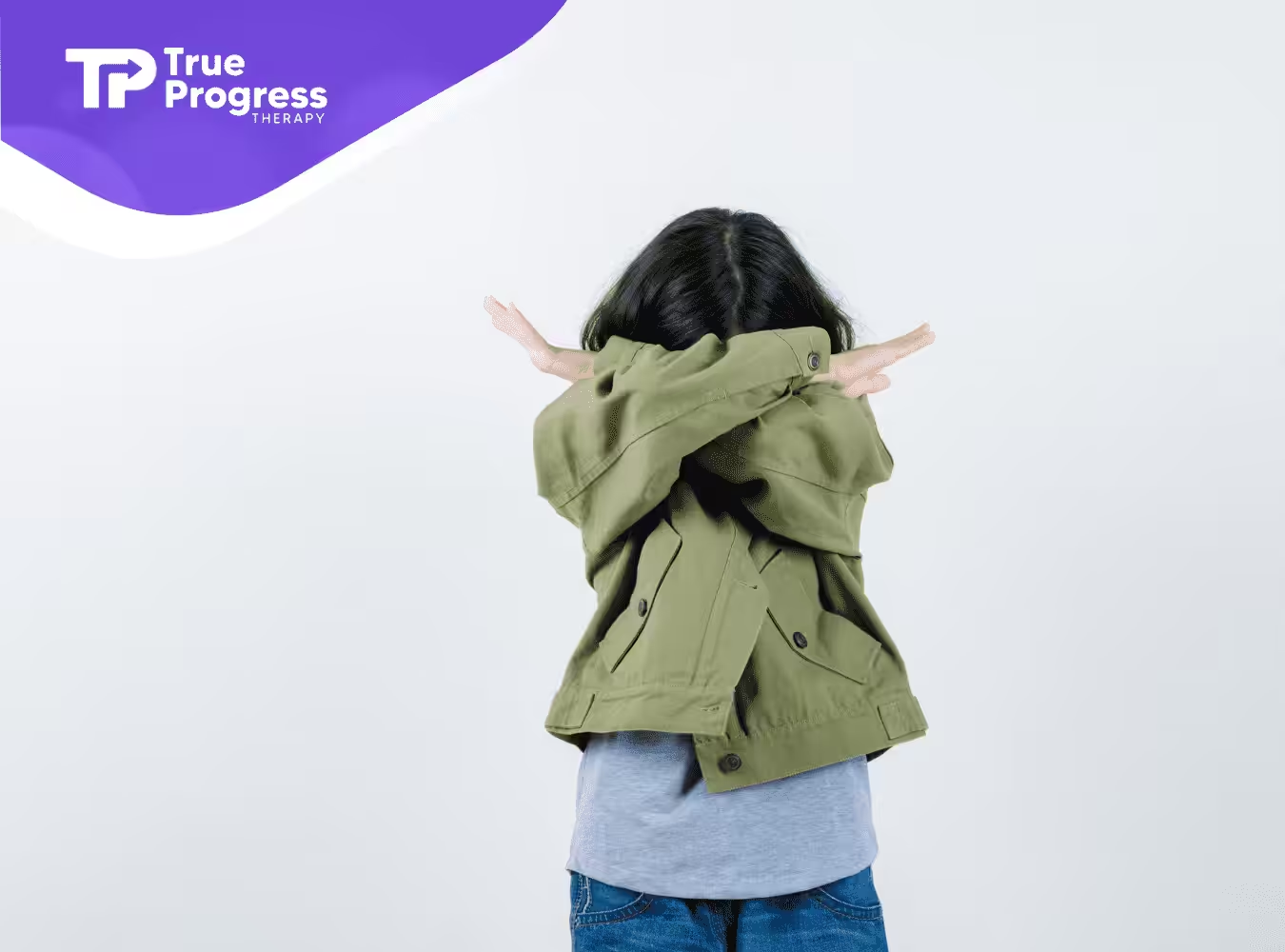
Shy or Autistic: Differentiating the Two
Understanding whether a child is simply shy or exhibiting signs of autism spectrum disorder (ASD) can be a challenging process for many parents, caregivers, and even professionals. While both shyness and autism can manifest as quiet or withdrawn behavior, the underlying causes and long-term effects can be quite different. Shyness is a personality trait that many children and adults experience, but autism is a neurodevelopmental condition that affects communication, behavior, and social interactions in more profound ways.
In this blog post, we will explore the key differences between being shy and having autism, helping you better understand how to distinguish between the two. By recognizing the signs and understanding the nuances, you can better support your child’s development and determine whether further evaluation or professional support is needed.
What is Shyness?
Shyness refers to a feeling of discomfort or apprehension in social situations. It’s a common trait in children, particularly in early childhood, and usually diminishes as children grow older and gain more confidence in social settings. Shy individuals may experience anxiety in new or unfamiliar situations, leading them to withdraw or avoid interactions. However, this behavior is typically temporary, and shy children can usually engage in social activities once they feel more comfortable.
Shyness is often linked to personality, and while it can be difficult for children to navigate certain social situations, it doesn’t necessarily interfere with their daily functioning. Shy individuals are often aware of social expectations and, with time and experience, can learn to manage their anxiety in social situations.
Key Characteristics of Shyness:
- Avoidance of new or unfamiliar situations: Shy individuals may feel uncomfortable in new environments or with unfamiliar people.
- Quietness in group settings: Shy individuals may prefer to observe rather than engage in conversations.
- Situational discomfort: Shyness tends to occur in specific situations, such as speaking in front of a group or meeting new people.
- Improvement over time: Shyness often diminishes as individuals grow older or gain more social experience.
- Awareness of social cues: Shy children can usually understand social norms and expectations, even if they struggle to meet them initially.
What is Autism?
Autism Spectrum Disorder (ASD) is a complex neurodevelopmental condition that affects how individuals communicate, interact, and behave. Autism exists on a spectrum, meaning the severity and types of symptoms can vary greatly from one individual to another. Some individuals with autism may have difficulty with verbal communication and social interactions, while others may have exceptional abilities in specific areas, such as mathematics or art.
The signs of autism typically appear before the age of three and can be recognized through a range of behavioral and developmental markers. Unlike shyness, autism often involves challenges in multiple areas of life, including social relationships, sensory processing, and repetitive behaviors.
Key Characteristics of Autism:
- Social communication difficulties: Children with autism may have difficulty understanding and responding to social cues, such as facial expressions, body language, or tone of voice.
- Delayed or limited speech development: Some children with autism may speak later than their peers or have difficulty initiating or maintaining conversations.
- Difficulty forming relationships: Individuals with autism often struggle to develop friendships or connect with peers due to challenges in understanding social rules and norms.
- Repetitive behaviors or interests: Repetitive movements (e.g., hand-flapping) or intense focus on specific topics are common traits in autism.
- Sensory sensitivities: Many children with autism experience heightened or reduced sensitivity to sensory stimuli, such as lights, sounds, or textures.
- Consistency and routine: Children with autism may become distressed if their routine is disrupted, and they may prefer predictable and structured environments.
Shy or Autistic: Key Differences to Look For
While both shyness and autism can involve quietness and social withdrawal, there are some important distinctions to help you differentiate between the two. Here’s a closer look at how shyness and autism differ in terms of social behavior, communication, and overall development.
1. Social Interaction
- Shy: A shy child may avoid social situations due to anxiety or discomfort, but they typically show interest in socializing once they feel safe or comfortable. They may initiate friendships or engage in conversations when they feel at ease.
- Autistic: A child with autism may struggle to engage with others due to difficulties in understanding social cues and expectations. They may not show interest in socializing or may prefer solitary activities. Social interactions can be challenging and may require significant support to navigate.
2. Communication Skills
- Shy: Shy children generally understand social cues, such as tone of voice, body language, and facial expressions, even if they struggle to respond. They can express their thoughts and needs, albeit quietly.
- Autistic: Children with autism may have delayed speech development, difficulty initiating or maintaining conversations, and challenges in understanding and using non-verbal communication, such as eye contact and gestures. They may have trouble expressing their feelings or responding to others’ emotions appropriately.
3. Behavioral Patterns
- Shy: Shy children typically don’t engage in repetitive behaviors or rigid routines. Their behavior is often temporary and linked to anxiety or unfamiliarity with certain situations.
- Autistic: A child with autism may exhibit repetitive behaviors, such as hand-flapping, rocking, or repeating certain actions or phrases. They may also have a strong preference for routines and may become distressed when their environment or schedule changes unexpectedly.
4. Response to Sensory Stimuli
- Shy: Sensory sensitivity is not typically a characteristic of shyness. While shy children may prefer quieter environments, they do not generally have strong reactions to sensory stimuli.
- Autistic: Many children with autism have sensory sensitivities, such as a heightened sensitivity to light, sound, or textures, or they may show little to no response to certain stimuli. This sensory processing issue is a hallmark of autism.
5. Development Over Time
- Shy: Shyness usually decreases with age and exposure to more social situations. With time and practice, shy children often become more comfortable in social environments and may actively seek out friendships.
- Autistic: Autism does not typically improve over time in the same way as shyness. Although individuals with autism can make progress with the right interventions, the core challenges related to communication, socialization, and behavior often remain throughout life.
When to Seek Professional Help
Differentiating between shyness and autism can be difficult, especially since the behaviors can overlap. However, if you notice that your child’s challenges extend beyond social anxiety and are affecting their ability to communicate, form relationships, or engage in everyday activities, it may be time to seek professional guidance. Early intervention can make a significant difference in the development of children with autism, improving their communication skills, social interactions, and overall quality of life.
A professional evaluation by a pediatrician, psychologist, or developmental specialist can provide valuable insights into whether your child’s behavior aligns with autism. If autism is diagnosed, the next step may involve seeking therapy, such as Applied Behavior Analysis (ABA), which is designed to help children with autism develop important life skills and improve their social and communication abilities.
How True Progress Therapy Can Help
At True Progress Therapy, we specialize in providing ABA therapy services that support children on the autism spectrum. Our approach focuses on building communication, social, and adaptive skills, tailored to each child’s unique needs. If you are unsure whether your child is shy or showing signs of autism, we are here to help guide you through the assessment process and provide the support your family needs. Early intervention is key, and we are committed to helping children achieve their fullest potential.
Frequently Asked Questions
1. How can I tell if my child is just shy or if they have autism?
While shyness is characterized by temporary social withdrawal and discomfort in specific situations, autism involves ongoing difficulties with communication, social interaction, and repetitive behaviors. If your child struggles in multiple areas of development, it may be helpful to seek a professional evaluation.
2. Is shyness a sign of autism?
Shyness is not necessarily a sign of autism, but children with autism may appear withdrawn or avoid social situations due to difficulties in communication and social understanding. If shyness is accompanied by other developmental concerns, a professional evaluation can help clarify whether autism is a factor.
3. When should I seek help for my child’s social behavior?
If your child’s shyness or social withdrawal is affecting their ability to interact with others, communicate, or participate in daily activities, it’s a good idea to consult with a pediatrician or developmental specialist. Early intervention can make a significant impact on their development and well-being.
Sources:
- https://www.nimh.nih.gov/health/topics/autism-spectrum-disorders-asd
- https://www.autismspeaks.org/sensory-issues
- https://www.autismparentingmagazine.com/autism-and-social-cues/
- https://pmc.ncbi.nlm.nih.gov/articles/PMC3862077/
- https://www.autism.org.uk/advice-and-guidance/topics/behaviour/obsessions/all-audiences
Related Posts

Raising a Bilingual Autistic Child: Does a Second Language Cause Delays?
After years into working with bilingual families at True Progress Therapy, I can usually tell within the first few minutes of an intake whether a parent has already been told to drop a language. There is a specific kind of guilt in how they phrase it: "We stopped speaking Spanish at home, just to be
Read article
Helping Siblings Explain Autism to Their Own Friends
Nearly every family I work with underestimates how soon this conversation actually arrives. Parents tend to picture it as a middle school problem, something to prepare for eventually, once their child is old enough to really understand what autism means. A family in Lakewood figured the same thing,
Read article
What to Teach Your Autistic Child If They Get Separated From You in Public
A mother called me in a panic last summer. Her son had wandered off during a five-minute stop at a crowded farmers market, and those five minutes felt like an hour before a stranger walked him back by the hand. Nearly half of children with autism attempt to elope, or wander from a safe adult, […]
Read article