

Social Reinforcement Strategies in ABA: Building Motivation, Connection, and Skills
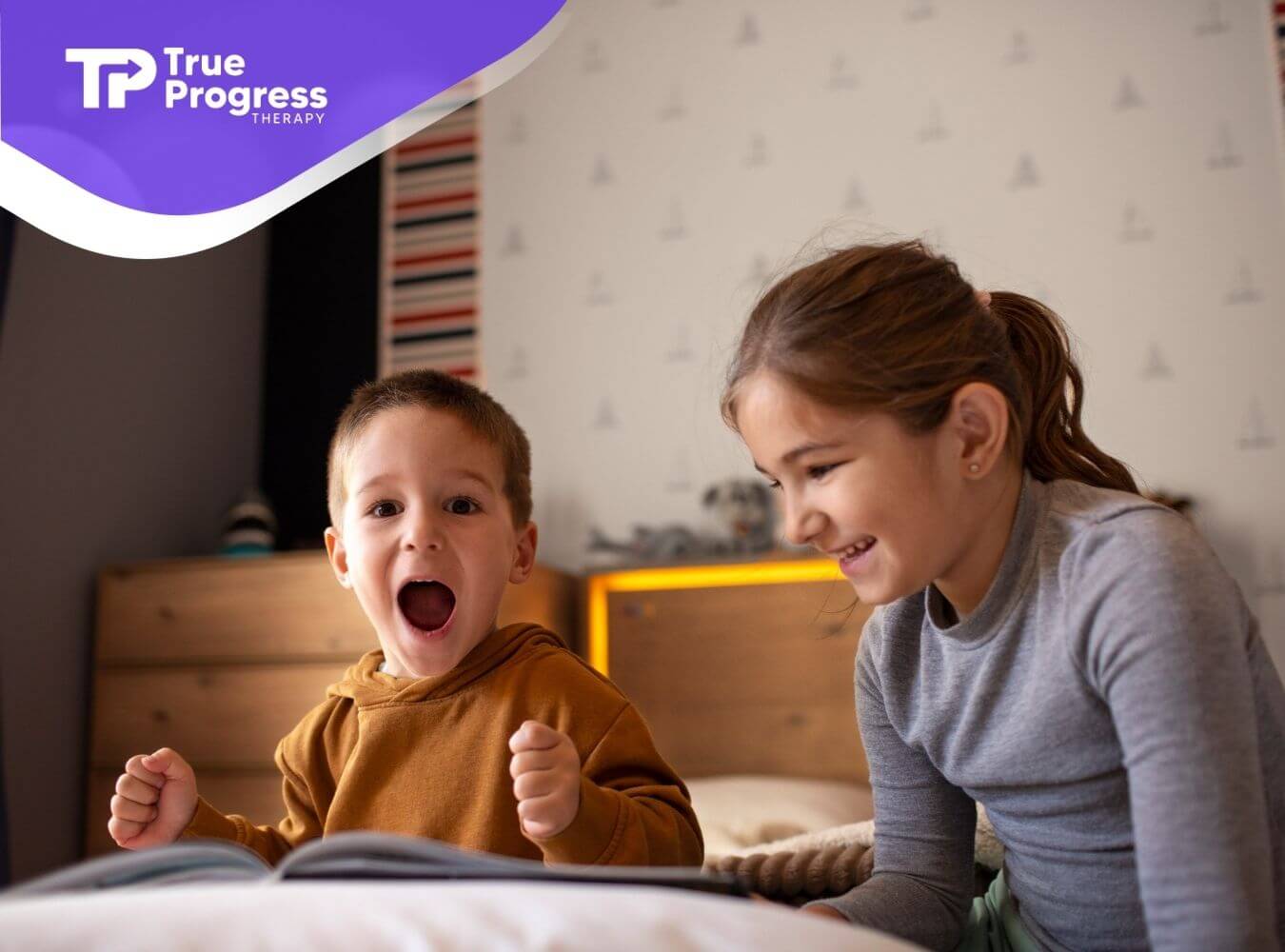
I know how overwhelming ABA concepts can feel at first, especially when you’re trying to support a child you love. But social reinforcement is one of those ideas that instantly makes sense once you see it in action.
Let me walk you through how simple, natural interactions like praise and shared joy can help children learn new skills and feel successful every day.
What Social Reinforcement Means in ABA
Social reinforcement is a way of encouraging positive behavior through meaningful social interactions. Before exploring the different types of social reinforcement, it helps to understand the foundation behind it.
Social reinforcement works because many behaviors become stronger when they result in positive social attention. For some children, this connection is naturally motivating. For others—especially children who may not initially seek out social engagement—consistent, warm reinforcement helps build the value of social interaction over time. That’s part of what makes it so powerful in ABA.
Forms of Social Reinforcement
There are many ways to use social reinforcement, and the best approach depends on what the child enjoys or responds to:
Verbal Praise
Simple words delivered in a warm, upbeat tone can be powerful.
Examples include:
- “Awesome job asking for help!”
- “I love how you’re trying!”
- “Yes! That’s exactly it!”
Positive Facial Expressions
Expressions communicate enthusiasm without needing words.
Examples include:
- A big smile
- Eyebrow raise + “Wow!”
- Exaggerated happy reactions
Gestures and Physical Interaction
Physical forms of social reinforcement can be exciting and fun—if the child enjoys them.
Possibilities include:
- High-fives
- Fist bumps
- Thumbs-up
- Celebratory claps
Shared Social Moments
These are joyful interactions between the adult and child based on shared excitement.
Examples:
- A quick happy dance
- Laughing together
- Short, playful exchanges (“We did it!”)
These forms of social reinforcement help make learning feel inviting and emotionally rewarding.
How Social Reinforcement Supports Learning
Before diving into benefits, it’s important to know that social reinforcement is used across countless ABA goals—from communication to adaptive skills. Because it’s natural and easy to deliver, it fits into almost any learning moment.
Social reinforcement strengthens the connection between the behavior and the positive experience that follows, helping the child understand, “When I do this, something good happens.”
Key Benefits of Social Reinforcement
Encourages Communication and Social Interaction
Many autistic children are working on communication goals. Social reinforcement teaches them that communicating—whether verbally, through signs, or gestures—leads to positive and meaningful interaction.
Makes Learning Feel Positive
Warm reactions help create a safe, encouraging environment. When a child feels supported, they are more willing to try new things, take risks, and practice challenging skills.
Helps Generalize Skills
Because social reinforcement can happen anywhere, children learn to use their skills across settings—not just during therapy.
Strengthens Bonds With Caregivers and Teachers
Children often respond more consistently when they feel connected to the people teaching them. Social reinforcement helps build trust and allows learning to grow from a genuine relationship.
Can Replace Tangible Rewards Over Time
While toys or snacks may be helpful at first, many children gradually become more motivated by positive social interactions as they learn their value.
Social reinforcement is more than praise—it’s a foundation for communication, emotional growth, and meaningful interactions.
When Social Reinforcement Supports Progress
Before exploring specific examples, it helps to understand that social reinforcement is flexible. It can be used in nearly any situation where you want to strengthen a skill or behavior.
Common Situations Where Social Reinforcement Works Well
1. Communication Attempts
Whether a child is learning to ask for help, make eye contact, or use words/signs, social reinforcement supports every step.
2. Following Directions
Simple tasks such as “clean up,” “come here,” or “sit down” are easier to learn when met with encouragement.
3. Play and Social Skills
Social reinforcement helps with taking turns, sharing, participating in group activities, and engaging in social games.
4. Daily Routines and Independence
Skills like brushing teeth, washing hands, getting dressed, and completing chores become more enjoyable when paired with positive social interactions.
5. Managing Challenges or New Tasks
During more difficult tasks, warm encouragement can reduce frustration and help the child persist.
In all these moments, what matters most is consistency and sincerity.
How Parents and Caregivers Can Use Social Reinforcement
Parents and caregivers have countless opportunities each day to use social reinforcement. Before looking at direct strategies, it helps to understand that the timing and style of reinforcement can influence how effective it is.
Tips for Making Social Reinforcement Effective
Make It Immediate
Respond right after the desired behavior so the child connects the two.
Match the Energy to the Child
Some children enjoy big, enthusiastic praise. Others prefer calm, gentle acknowledgment. Follow their lead.
Focus on Effort
Celebrate attempts—not only flawless results. Every try counts.
Be Specific
Instead of “Good job,” try “I love how you asked so politely!”
Use Natural Opportunities
During play, routines, outings, or transitions—any moment can be a teaching moment.
Pair Social Reinforcement With Other Reinforcers When Needed
For some children, combining social praise with tangible items at first helps increase motivation. Over time, tangibles can be faded out.
These practices help make learning more enjoyable and meaningful, without feeling forced or unnatural.
Conclusion
Social reinforcement is a simple, relationship-based approach that supports an autistic child’s growth in communication, independence, and social connection. If you’d like personalized support, True Progress Therapy offers warm, family-centered ABA services designed around your child’s needs.
Families across New Jersey can access our high-quality ABA services in New Jersey, including In-home ABA and supportive Parent training to help bring positive interactions into your everyday routines.
Reach out today—we’d love to support your family’s journey.
FAQs
What are some simple examples of social reinforcement in ABA?
Smiles, high-fives, praise, enthusiastic encouragement, and shared excitement are all examples commonly used in ABA therapy.
Can social reinforcement replace toys or snacks?
Yes. Many children start with tangible rewards and gradually shift toward social reinforcement as they begin valuing those interactions more naturally.
How can parents use social reinforcement at home?
Parents can celebrate small wins, respond immediately to positive behavior, pair praise with warm expressions, and use everyday moments to build connection.
Sources:
- https://www.simplypsychology.org/positive-reinforcement.html
- https://www.verywellmind.com/what-is-social-reinforcement-2795881
- https://pmc.ncbi.nlm.nih.gov/articles/PMC5702301/
- https://www.autismspeaks.org/tool-kit-excerpt/helpful-strategies-promote-positive-behavior
- https://www.sciencedirect.com/science/article/abs/pii/S0891422212002624
Related Posts
What Happens During ABA Insurance Authorization in New Jersey?
Not sure what happens after you call? Walk through ABA insurance authorization in NJ, including benefits checks, treatment plans, insurer reviews, & approvals.
Read article
How Long Does It Take to Start ABA Therapy in New Jersey?
From diagnosis to the first in-home session, here is how long ABA therapy takes to start in NJ, plus the paperwork that keeps your family moving toward care.
Read article
What Happens in Your First ABA Therapy Session? A Parent’s Walkthrough
Parents almost always brace for something clinical. A room, a clipboard, a set of tasks their child will either pass or fail. Then I sit down on the floor with a bin of toys and spend an hour doing what looks, from the doorway, like nothing much at all Here is what happens in your […]
Read article