

Best Toys for Children with Autism: Helpful Choices
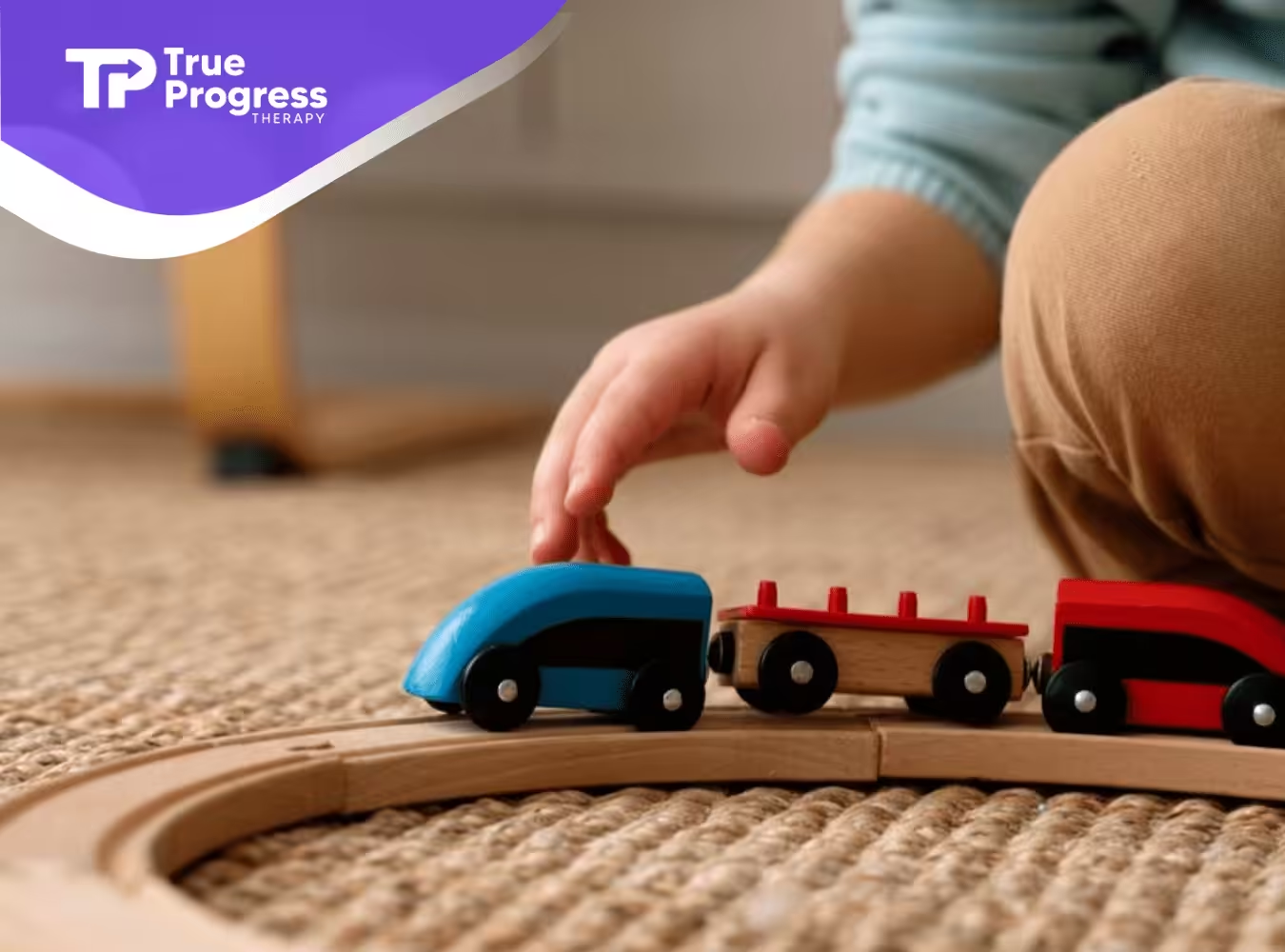
Toys That Are Good for Children with Autism
When raising a child with autism, parents often look for ways to support their child’s development in fun, engaging, and effective ways. One of the most effective and enjoyable ways to encourage growth is through play. Toys specifically designed for children with autism can support sensory development, improve motor skills, promote social interaction, and enhance communication.
However, not all toys are created equal. Children with autism have unique needs, which is why it’s important to choose toys that can support their individual sensory sensitivities, motor abilities, and social-emotional needs. In this guide, we’ll explore some of the best toys for children with autism, focusing on how each type can be used to enhance your child’s development.
Why Are Toys Important for Children with Autism?
Toys are more than just sources of entertainment—they serve as tools that aid in the development of important life skills. For children with autism, playtime can provide valuable opportunities for:
- Sensory exploration: Many children with autism have sensory sensitivities or seek out sensory input. Toys that offer different textures, sounds, or visual stimuli can help a child regulate their sensory experience.
- Communication skills: Toys can be great tools for teaching language and communication, especially for children who may be nonverbal or have delayed speech.
- Social skills: Certain toys can encourage interaction, whether through cooperative play or role-playing, helping children develop social skills in a safe, structured environment.
- Motor skills: From fine motor skills like picking up small objects to gross motor skills like pushing a toy car, play can help develop coordination and physical abilities.
With these goals in mind, let’s dive into specific types of toys that are particularly beneficial for children with autism.
1. Sensory Toys
Sensory toys are designed to stimulate the senses and help children with autism manage sensory processing issues. These toys can provide calming effects or help children focus and self-regulate.
Types of Sensory Toys:
- Fidget Toys: Fidget spinners, squishy toys, and stress balls are excellent for children who need tactile stimulation. These toys can provide calming input and help children stay focused during activities.
- Sensory Brushes: These are used to provide gentle tactile input, helping children become more aware of their bodies and develop sensory processing skills.
- Weighted Toys: Weighted blankets or stuffed animals can help children with sensory seeking behaviors or those who experience anxiety by providing deep pressure stimulation.
Benefits:
Sensory toys help children with autism manage sensory overload or underload. They can be used as a tool to calm down when feeling overwhelmed or as an aid to increase focus.
2. Communication Toys
For children who are nonverbal or have limited communication skills, communication toys can be a wonderful tool to encourage speech and language development. These toys can also help children express their needs, wants, and emotions.
Types of Communication Toys:
- Picture Exchange Communication System (PECS): This system uses pictures and symbols to help children communicate. It’s especially useful for children with limited verbal abilities.
- Talking Buttons or Recordable Devices: Toys like recordable buttons allow children to press a button to hear a recorded message, which can be used to support communication efforts.
- Interactive Storybooks: Storybooks with buttons that make sounds or speak certain phrases can help engage children in the storytelling process, which promotes both language development and social interaction.
- Benefits:
These toys encourage children to use their voice, either verbally or through symbols. They help build foundational communication skills that will be valuable as children grow.
3. Social Skills Toys
Toys that promote social skills and peer interactions are vital for helping children with autism practice and improve their social behaviors. These toys can be used in structured settings, like therapy sessions, or during free play to encourage positive interactions with peers and caregivers.
Types of Social Skills Toys:
- Board Games: Games like “Guess Who?” or “Candy Land” provide opportunities for children to learn to take turns, follow rules, and cooperate with others.
- Dolls and Action Figures: Role-playing with dolls or action figures can help children learn about empathy and practice social interactions. These toys can also help children work through emotions by allowing them to create scenarios and solve problems in a safe environment.
- Social Story Cards: These cards use pictures to help children understand social situations and emotional cues, making them great tools for teaching social skills and appropriate behavior.
Benefits:
These toys help children learn to navigate social situations, fostering skills such as empathy, turn-taking, and understanding social cues. They can also serve as a valuable tool for helping children process and manage emotions.
4. Motor Skills Toys
Motor skills development is a key area of growth for children with autism. Toys that promote hand-eye coordination, strength, and fine motor skills can help children develop both their small and large motor abilities.
Types of Motor Skills Toys:
- Building Blocks: Toys like LEGO sets or other building toys help develop fine motor skills by requiring children to pick up and manipulate small pieces.
- Puzzles: Jigsaw puzzles and matching games help children with autism practice fine motor coordination and problem-solving skills.
- Climbing and Balance Toys: For gross motor skills, toys like balance beams, slides, or climbing structures can help improve coordination and strength.
Benefits:
Motor skills toys help children with autism strengthen their physical coordination, improve fine motor dexterity, and develop confidence in their physical abilities.
5. Cause-and-Effect Toys
Cause-and-effect toys are those that respond to a child’s actions. They help children with autism understand the connection between their behavior and the world around them.
Types of Cause-and-Effect Toys:
- Musical Toys: Instruments like xylophones or tambourines teach cause-and-effect relationships through sound.
- Interactive Lights and Sounds Toys: Toys that light up or make noise when buttons are pressed or objects are moved help children understand how their actions lead to a result.
- Pop-up Toys: These toys involve pressing buttons or pulling levers to make objects pop up, which encourages children to engage and experiment with their environment.
Benefits:
Cause-and-effect toys help children understand basic concepts of action and reaction, which is an important foundation for learning more complex cause-and-effect relationships in everyday life.
6. Technology-Based Toys
Technology can play a powerful role in enhancing learning and development for children with autism. Many digital toys are specifically designed to engage children in learning activities and teach a variety of skills, from language development to problem-solving.
Types of Technology-Based Toys:
- Tablet Apps: There are several apps tailored to children with autism that teach everything from communication skills to social interactions.
- Interactive Robots: Some interactive robots are designed to help children with autism learn social skills, such as making eye contact or responding to verbal cues.
- Learning Toys: Toys like educational tablets or interactive learning games can teach children letters, numbers, and problem-solving skills while offering visual and auditory stimulation.
Benefits:
Technology-based toys offer a fun, engaging way for children to develop both academic and social skills. They are particularly useful for children who respond well to digital stimulation and can be tailored to the child’s specific developmental needs.
7. Toys for Emotional Regulation
Many children with autism struggle with emotional regulation, especially in overwhelming or frustrating situations. Toys that promote emotional control can help children process their feelings and calm down during difficult moments.
Types of Emotional Regulation Toys:
- Calming Sensory Bottles: These bottles, filled with glitter or liquid, provide visual sensory input that can help children calm down and regulate their emotions.
- Breathing Toys: Toys designed to teach deep breathing, like bubbles or windmills, can help children learn to control their breath and manage anxiety.
- Weighted Toys: As mentioned earlier, weighted toys provide deep pressure, which can have a calming effect and help children with emotional regulation.
Benefits:
Toys for emotional regulation can help children develop strategies for coping with stress, anxiety, and frustration, making them an essential tool for emotional development.
Conclusion
Choosing the right toys for a child with autism can have a profound impact on their development. Whether you’re looking to enhance sensory exploration, communication, social skills, or motor abilities, the right toys can make a big difference in how your child engages with the world around them.
At True Progress Therapy, we understand how important it is to provide children with autism the tools they need to thrive. We specialize in ABA therapy services and offer personalized support to help children and their families achieve meaningful progress. If you’re looking for more advice on how to support your child’s development, we are here to help guide you on this journey.
Frequently Asked Questions
1. What are the best toys for children with autism?
The best toys for children with autism are those that stimulate sensory processing, support communication, and encourage social interaction. Sensory toys, communication aids, and motor skill development toys are all great choices.
2. How can toys help children with autism?
Toys can help children with autism by promoting sensory exploration, communication, motor skills, and social interaction. They provide engaging and fun opportunities to develop important life skills.
3. Are there any toys specifically designed for children with autism?
Yes, many toys are specifically designed for children with autism, including sensory toys, communication devices, and interactive games. These toys are crafted to meet the unique needs of children on the autism spectrum, promoting learning and development in a fun, engaging way.
Sources:
- https://www.autismspeaks.org/sensory-issues
- https://pmc.ncbi.nlm.nih.gov/articles/PMC3122547/
- https://www.autism.org.uk/advice-and-guidance/professional-practice/motor-skills-1
- https://pmc.ncbi.nlm.nih.gov/articles/PMC3719386/
Related Posts
Raising a Bilingual Autistic Child: Does a Second Language Cause Delays?
After years into working with bilingual families at True Progress Therapy, I can usually tell within the first few minutes of an intake whether a parent has already been told to drop a language. There is a specific kind of guilt in how they phrase it: "We stopped speaking Spanish at home, just to be
Read article
Helping Siblings Explain Autism to Their Own Friends
Nearly every family I work with underestimates how soon this conversation actually arrives. Parents tend to picture it as a middle school problem, something to prepare for eventually, once their child is old enough to really understand what autism means. A family in Lakewood figured the same thing,
Read article
What to Teach Your Autistic Child If They Get Separated From You in Public
A mother called me in a panic last summer. Her son had wandered off during a five-minute stop at a crowded farmers market, and those five minutes felt like an hour before a stranger walked him back by the hand. Nearly half of children with autism attempt to elope, or wander from a safe adult, […]
Read article