

6 Stages of an Autism Meltdown
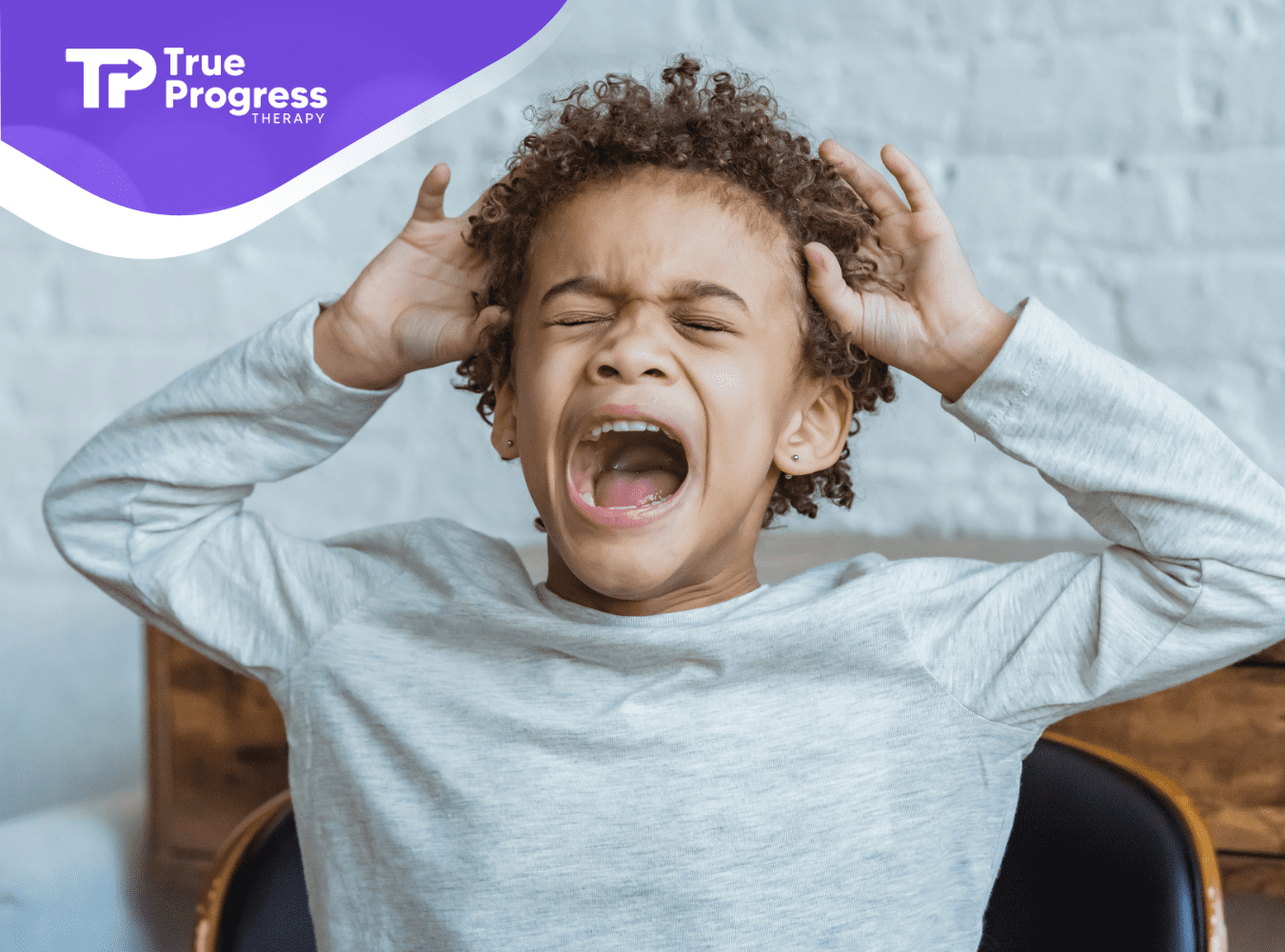
Autism meltdowns are intense responses to overwhelming situations. They are not tantrums and do not happen for the purpose of gaining something. Many professionals describe meltdowns using a stage-based model to help caregivers recognize early signs and offer support. While the exact pattern varies from person to person, the stages below are commonly used to understand escalation and recovery.
1. Trigger Stage
This stage begins when the child encounters something that causes stress. Triggers may include loud noises, sudden changes, sensory overload, or communication difficulties. The child may show early signs of discomfort, such as withdrawing, becoming quiet, or seeking reassurance. Recognizing triggers helps prevent escalation.
2. Rumbling Stage
Often called the build-up stage, this is when the child starts showing small indicators of rising stress. These might include pacing, fidgeting, repetitive phrases, or increased sensitivity to sounds or touch. This stage is important because calm support, breaks, or sensory tools can still help stop escalation.
3. Escalation Stage
As stress continues, behaviors become more intense. The child may raise their voice, show physical agitation, or have rapid changes in emotional expression. Communication becomes harder. At this point, attempts to reason with the child are usually ineffective; instead, reducing demands and creating a quiet, safe space can help.
4. Meltdown Stage
This is the peak of the cycle. The child may cry, scream, hit, drop to the floor, or completely shut down. A meltdown is an involuntary response to overwhelming stress, not intentional misbehavior. Safety becomes the priority—both for the child and those around them.
5. De-escalation Stage
After the peak, behaviors start to settle. The child may appear tired, quiet, or confused. They might avoid conversation or eye contact. This is not the time for teaching; the nervous system is still overwhelmed. A calm environment helps them gradually regain control.
6. Recovery Stage
In this final stage, the child’s body and emotions return to baseline. They may seem drained or may want comfort, space, or predictable routines. Once fully calm, gentle reflection can help identify triggers and build strategies for future situations.
Conclusion
Understanding the six common stages of an autism meltdown helps parents recognize early signs, reduce stress, and support their child more effectively. While every child is different, knowing the cycle—from triggers to recovery—can make challenging moments easier to manage and prepare for in the future.
At True Progress Therapy, we help children and families build the skills they need to navigate meltdowns with confidence. Our ABA therapists create personalized plans that focus on communication, self-regulation, and meaningful progress. If you’re looking for support in New Jersey, we’re here to guide your family every step of the way.
FAQs
1. Are these six stages official?
No. They are commonly used by therapists and educators to describe patterns of escalation but are not part of diagnostic criteria.
2. What causes autism meltdowns?
Meltdowns typically occur due to overwhelming sensory input, unexpected changes, communication challenges, or high emotional stress.
3. Are meltdowns the same as tantrums?
No. Tantrums are usually goal-oriented, while meltdowns are involuntary responses to overload.
4. Can ABA therapy help with meltdowns?
ABA therapy can help by teaching coping skills, improving communication, and helping identify triggers.
5. Do all autistic people experience meltdowns?
Not always. Experiences vary widely depending on individual sensitivities and stress levels.
Sources:
- https://www.autismspeaks.org/what-autism
- https://www.autism.org.uk/advice-and-guidance/topics/behaviour/meltdowns/all-audiences
- https://www.theautismservice.co.uk/news/what-is-sensory-overload/
- https://www.autism.org.uk/advice-and-guidance/topics/about-autism/autism-and-communication
- https://www.autismspeaks.org/applied-behavior-analysis
Related Posts

Autistic Sleeping Positions: Are They Different From Typical Sleep?
Understanding Sleep Issues In Autism Children and adults on the autism spectrum often have unique sleep patterns and sensitivities. Research shows that autistic individuals are nearly twice as likely to face sleep disturbances compared with their neurotypical peers. This gap can create a ripple effe
Read article
Understanding the Autistic Hug (and the Third Eye Hug): What It Means
Key Highlights In a world where communication often defaults to words, the significance of physical touch, particularly in the context of autism, is frequently overlooked. Hugs can carry profound meanings and serve as powerful connectors for many individuals on the spectrum. They can act as a bridge
Read article
What Is the Hardest Age for Autism, and Does Autism Peak?
There’s no single age that’s the hardest for autism. The challenges tend to shift as a child grows. That said, many families agree that certain stages feel more overwhelming than others—especially when expectations suddenly change. What age feels hardest for autism? Autism doesn’t get “hard” at one
Read article