

Rethinking Autism Therapy: Why Child-Led ABA Makes a Difference
Key Highlights
- Child-led ABA Therapy focuses on creating a learning environment tailored to a child’s interests, making education engaging and natural.
- This type of therapy integrates play-based techniques to motivate children, using their favorite toys and activities to teach essential skills.
- Unlike traditional ABA, it emphasizes flexibility and child autonomy, fostering independence and confidence.
- Social skills and communication growth are prioritised, with an approach backed by BCBA-certified educators and clinicians.
- Parents and educators play a crucial role, ensuring consistency across therapy settings, home, and school.
What if in-home ABA therapy felt less like work and more like play? Child-led ABA puts your child’s choices at the center, making learning natural and fun. I remember working with a girl fascinated by animals; by incorporating her interests into sessions, she made huge strides in social skills without the usual stress. This method is changing how we support children with autism.
What is Child-Led ABA?
Child-led ABA does not mean letting children be without any plan. It is a way of using the child’s interests as a main part of therapy. The therapist uses ideas from behavior analysis and mixes them with choices that fit the child’s curiosity. When this happens, learning feels less like work and more like a trip full of new things. For example, if a child likes dinosaurs, the therapist might use dinosaur games to help the child learn social skills or learn how to talk with others. This makes the child’s love for dinosaurs help them grow.
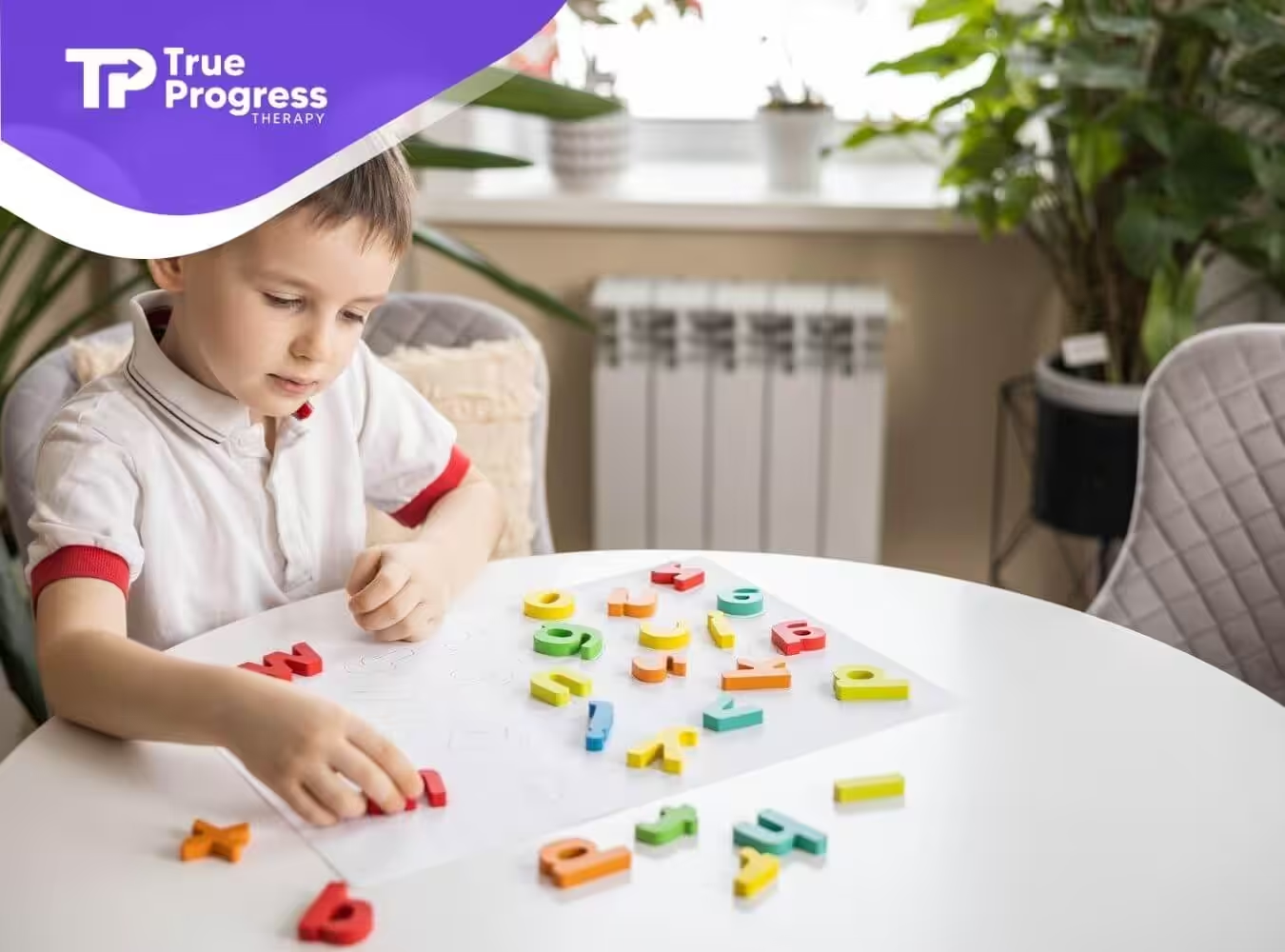
This way of doing aba is not like the old way. It happens in the child’s natural environment and helps give the child more choice. The child might get to use building blocks, favorite toys, or take part in sensory play. With this, learning can be fun and the child wants to take part in it. The approach helps teach skills and, at the same time, helps kids make stronger connections with people. By working with what the child likes, the therapist can make the sessions better and help kids see that learning can be good and even fun. This is a strong change in the way we help children with autism.
Defining the Concept within Autism Therapy
In autism therapy, child-led ABA therapy puts the child’s interests, like dinosaurs or favorite toys, at the center. This approach is caring and uses what each child likes and is good at to help with learning. Instead of sticking to a strict plan, it brings the things the child enjoys into learning so that social skills and other important abilities can grow in a natural way.
Therapists watch each child closely to see how they respond to things and pick effective building blocks for supporting good behaviors. With this knowledge, the activities are made to fit what the child is curious about and what they need. This way, learning becomes both helpful and fun.
Also, ABA therapy is flexible and goes at the child’s own pace, focusing on what is best for them. Therapists work with children in real-life places to help them grow and build strong skills, as well as real connections. Children learn better when they are in places that are welcoming and customized just for them. This shows how important child-led ABA therapy can be in helping children with autism.
Key Differences from Traditional ABA
How does child-led ABA therapy differ from more traditional ABA? Here’s a simpler look:
Traditional ABA uses very structured ways, like Discrete Trial Training (DTT). In DTT, the child learns specific skills by repeating the same steps, again and again. Most of this happens while sitting at a table. This setting separates the learning environment from normal daily life. While this approach can work well, it sometimes does not have the flexibility to really connect with every child.
Child-led ABA is more about weaving in lessons during play and letting the child make choices. Therapists follow the child’s lead and use what they like, such as dinosaurs or building blocks, to create learning moments. This helps children use their new skills in many different situations, not just during therapy.
Core Principles of Child-Led ABA
At the heart of child-led ABA therapy is the idea of letting the child make choices. This way, they get to follow what they like. In aba therapy, the goal is to help a child learn in their own natural environment. The things that they do each day become ways for them to pick up new skills. Play is not only something fun. In this aba approach, it also becomes a way to teach and help.
Another big part of aba is using positive reinforcement. This means you praise or encourage a child when they do something well, like finishing a task or showing good behavior. The point is to help them enjoy learning. When they see their own growth, they feel proud. In the end, these things help them connect success and fun with learning.
Emphasis on Child’s Choice and Control
Imagine a type of ABA therapy where kids get to make their own choices and help guide what they learn. This is what child-led ABA therapy is all about. With this way, a child is given more say over what they do, and they get to take part in things that match their own interests. When kids have some control, it helps them grow in how they feel and think, so they can reach their full potential.
With choice-driven learning, kids start to build up their independence. For instance, therapists might help a child pick their favorite toys to use as tools. If a child likes dinosaurs, they might count them during lessons to work on new skills. When lessons mix the child’s choice with fun, ABA keeps kids interested and willing to learn.
As time goes on in ABA, children start to try things on their own. They become more sure of themselves and learn to rely on that. This has a good effect not just in therapy, but everywhere in their lives. They get better at making choices, using these building blocks as skills they need their whole life. Putting the child’s choice and control at the center of therapy makes it both helpful and powerful.
Integrating Play into Learning Processes
Play turns learning into a time of exploring new things, and child-led ABA therapy uses this idea fully. When you mix creative play with skill-building goals, children get to have fun. There is no strong push from structured lessons, which is good for them.
Here is why play is a good way to teach:
- Fun engagement: Play makes children use curiosity and helps with their imagination.
- Skill-building: Things like stacking blocks help a child with hand-eye coordination, learning colors, and understanding new ideas.
- Natural environment: Play fits into day-to-day life. This helps children feel at home and comfortable.
For example, teachers or therapists may pick toy trains to help a child learn problem-solving or how to understand space. The child’s favorite items can help work on gross motor skills or help make their talking better. All of this is done through sessions centered on play.
The best part? With this way of working, learning through ABA feels more like fun adventure time instead of strict therapy. This keeps the child’s world bright, happy, and full of new things to try.
Benefits of Child-Led ABA
The good things about child-led ABA therapy go beyond just teaching new skills. It helps the child get more involved because it uses things the child likes, so they learn better. When ABA therapy matches what your child likes, they feel happier and want to join in.
This type of aba also lets kids make their own choices, which helps them feel more sure of themselves. As they learn, kids get better at doing things by themselves and feel more confident as they grow. This makes it easier for them to handle everyday life and talk or play with others. Giving aba therapy that fits each child’s needs helps them have a better journey.
Increased Engagement and Motivation
Child-led ABA therapy works so well because it ties into things kids already like. When therapists use activities that children love, kids get more excited and want to join in. They feel more connected, which often leads to better motivation during sessions.
For example, if a therapist sees that a child likes sensory games, they may use those games to help teach social skills or counting. This way, children feel like the work is fun, not a burden. It feels good, and not forced, to take part in these lessons.
When kids are more engaged, they often pick up new skills faster. Instead of just learning passively, they actively join in and absorb what is being taught through the activities they enjoy. ABA therapy that follows the child’s interest creates strong memories and boosts real growth. It helps the lessons stay with them over time.
Fostering Independence and Confidence
Independence gets stronger when children have space to choose what they do. This helps build their confidence over time. In child-led ABA therapy, giving children this freedom is important. When they can pick activities, they can decide what they like. This helps them trust in their choices and feel more sure about the things they can do by themselves.
For example, if a child starts to play with building blocks or picks out toys on their own, they become more active and start believing in themselves. Therapists give gentle help in these moments. They guide, but they also let kids try things on their own and solve problems. This is good for the child, not just in ABA therapy but in other parts of their life too.
Helping kids this way gives them the strength to face new problems and win at things outside of therapy. As time goes by, children who work with this method begin to have specific skills. They learn how to speak up for themselves and do daily tasks without help. This helps shape who they are and lets them build their own success, both in therapy and every day.
Implementing Child-Led ABA in Various Settings
Involving child-led ABA in many places needs everyone, like parents, teachers, and therapists, to work together. At home, when you focus on what the child likes, you help them learn every day with toys or easy things to do.
In the classroom, ABA can be changed to fit groups. You can use play in lessons, so it’s fun for the child. These ways help build and use skills in every place the child goes, so ABA becomes part of the child’s natural environment. Working together is important so progress keeps happening no matter where the child is learning. Using a child’s interests makes ABA work better.
Strategies for Parents and Educators
For parents and teachers who use child-led ABA, it is important to shape activities around what children like. You can do this by watching to see what grabs their interest, such as dinosaurs or blocks. Then, use these in daily tasks to help make learning more fun.
It is key to use positive bonuses for good work. Celebrate their wins with words or small treats that help them want to learn more. Letting children pick between options lets them make choices. This helps them grow in independence and build their confidence too.
It is also important to stick with the same methods. Talk often with the ABA team about what works so you can use the same style at home and in school. This way, the child has support in every place, with people who know what is best for them.
Role of Therapists in Facilitating Child-Led Sessions
ABA therapists play a key part in child-led ABA therapy. They shape each session to fit the child’s interests and help with growth. Therapists watch what catches the child’s attention, then use fun things like building blocks or simple art projects in their plans.
Good therapy means finding the right mix of freedom and help. Therapists let kids guide some activities, but still keep clear goals so they learn. They make small changes along the way, based on how the child is doing. This way, aba therapy sessions can stay open to new ideas but not lose their main focus.
Therapists also work together with families. They help bring child-led aba activities to the home, so skills from the clinic get used in real life. The knowledge therapists have can be a strong support both in as well as outside of therapy.
Conclusion
At True Progress Therapy, we believe every child deserves a therapy approach that honors their individuality. Our expert team provides personalized, child-led ABA therapy in New Jersey designed to engage your child’s interests and build lasting skills. Ready to see your child thrive in a supportive, fun environment?
Contact True Progress Therapy today to schedule a free consultation and start the journey toward meaningful progress.
Frequently Asked Questions
How does Child-Led ABA differ in outcomes compared to traditional methods?
Child-led ABA usually helps learners use what they learn in real life and different places. This makes the skills very useful for their day-to-day life. On the other hand, traditional methods in ABA, like Discrete Trial Training, look at teaching just one behavior at a time. BCBA experts say that this more open and flexible way helps learners have better skills to deal with everyday things.
What are the key benefits of using a Child Led approach in treating autism?
The child-led approach can help in many ways. It helps improve communication skills and gross motor skills. Kids also stay more engaged. This way is all about what the child likes. It builds their interest, gives them more confidence, and helps everyone feel included. The child-led approach is a good choice to support children with autism.
How can parents implement Child Led ABA techniques at home?
Parents can use child-led ABA techniques at home by watching what their child likes to do. For example, if the child likes playing with dinosaurs, you can use these toys in daily routines. Working together with clinicians helps everyone stay on the same page about what is best. This makes it easier for the child to make progress.
Sources:
- https://my.clevelandclinic.org/health/articles/gross-motor-skills
- https://pmc.ncbi.nlm.nih.gov/articles/PMC9850869/
- https://www.autismspeaks.org/expert-opinion/what-discrete-trial-training
- https://www.autismspeaks.org/tool-kit-excerpt/ten-ways-build-independence
- https://www.researchgate.net/publication/332841032_Independence_of_Autistic_Children_who_Participate_in_the_Daily_Life_Activities_Program
Related Posts

Your Child's RBT Is Leaving: Steps for Parents to Take
Your child's RBT is leaving. Learn what a good handoff looks like, which questions to ask the BCBA, and how to help your child adjust to a new ABA therapist.
Read article
Choosing a Health Plan for ABA Coverage in NJ
Open enrollment ends January 31. Learn how to check ABA benefits, provider networks, and prior authorization rules so your child's therapy continues in 2027.
Read article
What Happens During ABA Insurance Authorization in New Jersey?
Not sure what happens after you call? Walk through ABA insurance authorization in NJ, including benefits checks, treatment plans, insurer reviews, & approvals.
Read article