

Home Safety Tips for Autism: A Complete Guide for Parents
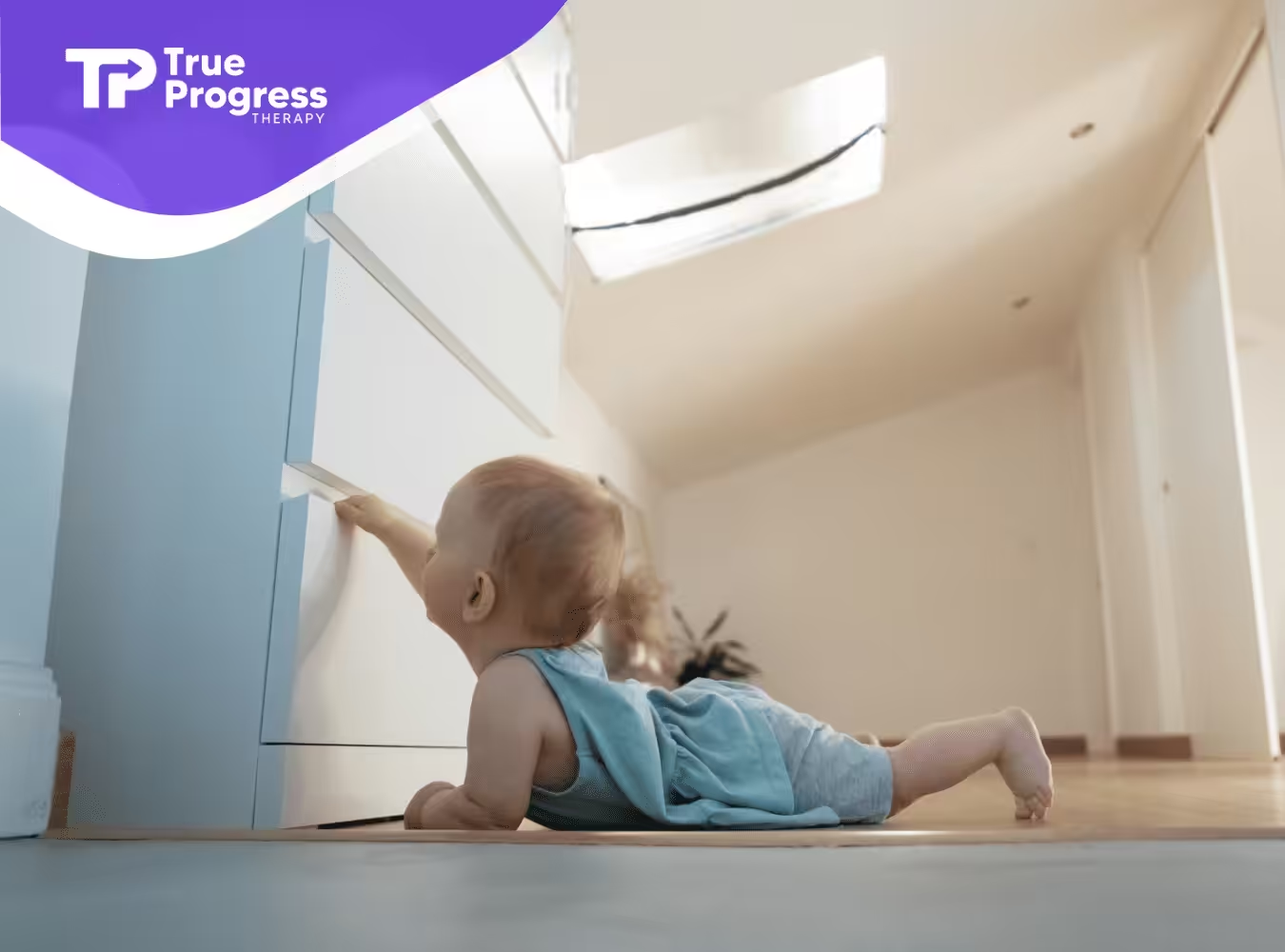
Children with autism spectrum disorder (ASD) often experience the world differently. While these differences enrich their perspective, they also pose unique safety challenges, especially in the home. From sensory sensitivities and impulsive behaviors to limited danger awareness and elopement risks, it’s crucial for caregivers to proactively create a safe, predictable, and calming home environment.
This guide offers a comprehensive overview of home safety tips for autism, covering room-by-room precautions, safety tools, behavior-specific strategies, and caregiver resources to help you protect and support your child every step of the way.
Why Home Safety Matters for Children with Autism
Many children with autism may:
- Wander or elope from home without warning
- Have reduced or delayed understanding of dangers (hot surfaces, open windows, sharp objects)
- Show fascination with water or other hazards
- Have intense sensory sensitivities (to lights, sounds, textures)
- Struggle with communication or understanding safety warnings
These factors can increase the likelihood of accidents or injuries. However, with thoughtful planning and specific safety modifications, families can dramatically reduce risks while fostering independence and peace of mind.
General Home Safety Strategies
Here are foundational safety strategies to apply throughout your home:
Safety Tip | Description |
|---|---|
Childproof Locks | Use locks on cabinets, doors, windows, and appliances. Consider magnetic or key locks for items with dangerous contents. |
Alarms & Monitors | Install door and window alarms. Baby monitors and cameras can help supervise high-risk areas like kitchens and bathrooms. |
Secure Heavy Furniture | Anchor bookcases, dressers, and TVs to prevent tipping. Avoid placing tempting items on top shelves. |
Soft Edging | Add corner protectors and edge guards to furniture with sharp angles. |
Labeling & Visual Cues | Use symbols or words to label doors, drawers, and hazards. Visual schedules also help with structure. |
Create Safe Zones | Designate a calming corner or sensory room where your child can self-regulate safely. |
Room-by-Room Home Safety Tips
1. Kitchen
The kitchen is often the most dangerous room for children with autism. It contains many sharp, hot, or hazardous items.
Safety Tips:
- Install safety locks on drawers and cabinets
- Keep sharp utensils, cleaning agents, and medications out of reach
- Use stove knob covers and unplug appliances when not in use
- Store breakable items in higher cabinets
- Block access with a child safety gate during unsupervised times
Consider This:
If your child has a special diet or food obsession, lock pantry doors or use fridge locks to prevent overeating or choking risks.
2. Bathroom
Bathrooms present risks such as water burns, slipping, and chemical exposure.
Safety Tips:
- Set the water heater to a safe temperature (100°F or lower)
- Use anti-scald devices on faucets
- Place non-slip mats in the tub and on the floors
- Lock cabinets with medications, razors, or cleaners
- Supervise bath time closely—children with autism may love water but lack water safety skills
3. Bedroom
The bedroom should be a safe and calming space. However, children may attempt to climb, hide, or access outlets.
Safety Tips:
- Use furniture anchors and outlet covers
- Choose low-profile beds to reduce fall risk
- Keep décor minimal to avoid overstimulation
- Use blackout curtains if light sensitivity is an issue
- Avoid toys with small parts if your child still mouths objects
4. Living Room
This space is often multi-use, so safety should be broad and flexible.
Safety Tips:
- Use a soft rug to prevent injury during meltdowns
- Keep remote controls, batteries, and electronics out of reach
- Secure cords and wires
- Choose sturdy furniture with rounded corners
- Anchor heavy TV units to prevent tipping
5. Outdoor/Yard Area
If you have a backyard or patio, additional precautions are necessary.
Safety Tips:
- Install high fences with childproof locks
- Use outdoor door alarms to alert of elopement
- Avoid ponds or pools unless properly fenced and locked
- Supervise playtime outdoors—natural elements (bugs, textures) may trigger distress
- Keep gardening tools and chemicals stored securely
Elopement and Wandering Prevention
Elopement, which is when a child runs or wanders off, is one of the most serious safety risks. According to the National Autism Association, nearly half of children with ASD have attempted to wander, with many incidents ending in injury or worse.
Preventive Measures:
- Install alarms on all doors and windows
- Use wearable GPS trackers (e.g., AngelSense, Jiobit)
- Place “stop” or “do not enter” visual signs near exits
- Teach safety commands using ABA or social stories
- Inform neighbors and local authorities about your child’s needs
Water Safety: Special Considerations
Children with autism may be particularly drawn to water. While water can be soothing, it also poses a drowning hazard.
Tips:
- Always supervise baths and pool time
- Use toilet locks to prevent accidental drowning
- Consider swim lessons with programs designed for children with ASD
- Fence any pool area completely with a self-locking gate
- Enroll your child in water safety training early
Sensory-Friendly Safety Enhancements
Many children with autism have sensory processing challenges. This can lead to unexpected responses to noise, lighting, touch, or movement.
Sensory-Safe Ideas:
- Use noise-canceling headphones or white noise machines
- Install dimmable lights or warm-toned bulbs
- Choose soft, tagless clothing and bedding
- Avoid scented cleaning products or air fresheners
- Provide sensory bins, swings, or weighted blankets in designated safe zones
Safety Tools & Technology to Consider
Tool | Use |
|---|---|
Door/Window Alarms | Alerts when opened—essential for elopement prevention |
GPS Trackers | Allows real-time location tracking for children prone to wandering |
Visual Schedules | Reduces anxiety and increases predictability |
Medical ID Bracelets | Communicates autism diagnosis and contact info in emergencies |
Surveillance Cameras | Helps monitor rooms or doors when you can’t be present |
Outlet Covers | Prevents electrical shocks |
Childproof Locks | Limits access to dangerous spaces |
Teaching Safety Skills
While modifying the environment is critical, teaching safety skills can provide long-term benefits for children with autism.
Use these strategies:
- Role-playing and modeling: Practice what to do in emergencies (e.g., fire drill, stranger danger)
- Social stories: Create custom illustrated narratives that explain safety expectations
- Positive reinforcement: Celebrate safe choices to build good habits
- Visual supports: Use pictograms to indicate danger, off-limits areas, or safety steps
Partnering With Professionals
Your child’s behavior therapist, occupational therapist, or ABA provider can help:
- Identify specific risks based on behavior patterns
- Create individualized safety plans
- Implement behavior interventions for elopement, aggression, or impulsivity
- Teach adaptive skills (e.g., requesting help, using visual cues)
Don’t hesitate to ask professionals for a home safety evaluation or support with behavior-specific risks.
Making Safety a Family Priority
Safety isn’t a one-time checklist—it’s a continual process of adapting and responding to your child’s needs. It helps to involve everyone in your home in the safety plan:
- Assign clear roles during emergencies
- Hold regular family safety drills
- Keep emergency contacts and medical info accessible
- Make sure babysitters, extended family, or respite workers understand all protocols
When to Seek Extra Support
If you’re feeling overwhelmed or unsure where to begin, you’re not alone. Many families benefit from working with experts who understand autism-specific challenges.
Whether you’re looking to address elopement, improve communication, or simply reduce daily stress, a qualified ABA therapy provider can help implement safety-focused behavior plans that are personalized for your child’s needs.
True Progress Therapy specializes in providing autism and ABA therapy services designed to meet your family where you are. Our compassionate team partners with caregivers to improve safety, teach life skills, and foster long-term growth. Contact us today to learn more about how we can support your home environment with expert guidance and care.
Frequently Asked Questions
1. What are the most important home safety items for a child with autism?
Essential items include door/window alarms, outlet covers, cabinet locks, furniture anchors, GPS trackers, and visual signs or schedules. These tools help reduce risks related to elopement, injury, and impulsive behaviors.
2. How can I prevent my child from wandering out of the house?
Use high-security locks, install alarms on exits, place visual stop signs, and consider a wearable GPS device. It’s also helpful to work with an ABA therapist to address elopement behavior through positive reinforcement and behavior modification.
3. Should I make my whole home sensory-friendly?
Not necessarily the whole home, but having at least one designated sensory-safe space can help your child self-regulate. Tailor lighting, sound, and textures to suit your child’s sensory needs and avoid overwhelming stimuli.
Sources:
- https://www.autismspeaks.org/sensory-issues
- https://nationalautismassociation.org/resources/wandering/
- https://www.steadystridesaba.com/noise-canceling-headphones-for-autism
- https://pubmed.ncbi.nlm.nih.gov/31451016/
- https://pmc.ncbi.nlm.nih.gov/articles/PMC4160737/
Related Posts
Autistic Sleeping Positions: Are They Different From Typical Sleep?
Understanding Sleep Issues In Autism Children and adults on the autism spectrum often have unique sleep patterns and sensitivities. Research shows that autistic individuals are nearly twice as likely to face sleep disturbances compared with their neurotypical peers. This gap can create a ripple effe
Read article
Understanding the Autistic Hug (and the Third Eye Hug): What It Means
Key Highlights In a world where communication often defaults to words, the significance of physical touch, particularly in the context of autism, is frequently overlooked. Hugs can carry profound meanings and serve as powerful connectors for many individuals on the spectrum. They can act as a bridge
Read article
What Is the Hardest Age for Autism, and Does Autism Peak?
There’s no single age that’s the hardest for autism. The challenges tend to shift as a child grows. That said, many families agree that certain stages feel more overwhelming than others—especially when expectations suddenly change. What age feels hardest for autism? Autism doesn’t get “hard” at one
Read article