

Autistic Sleeping Positions: Are They Different From Typical Sleep?
Understanding Sleep Issues In Autism
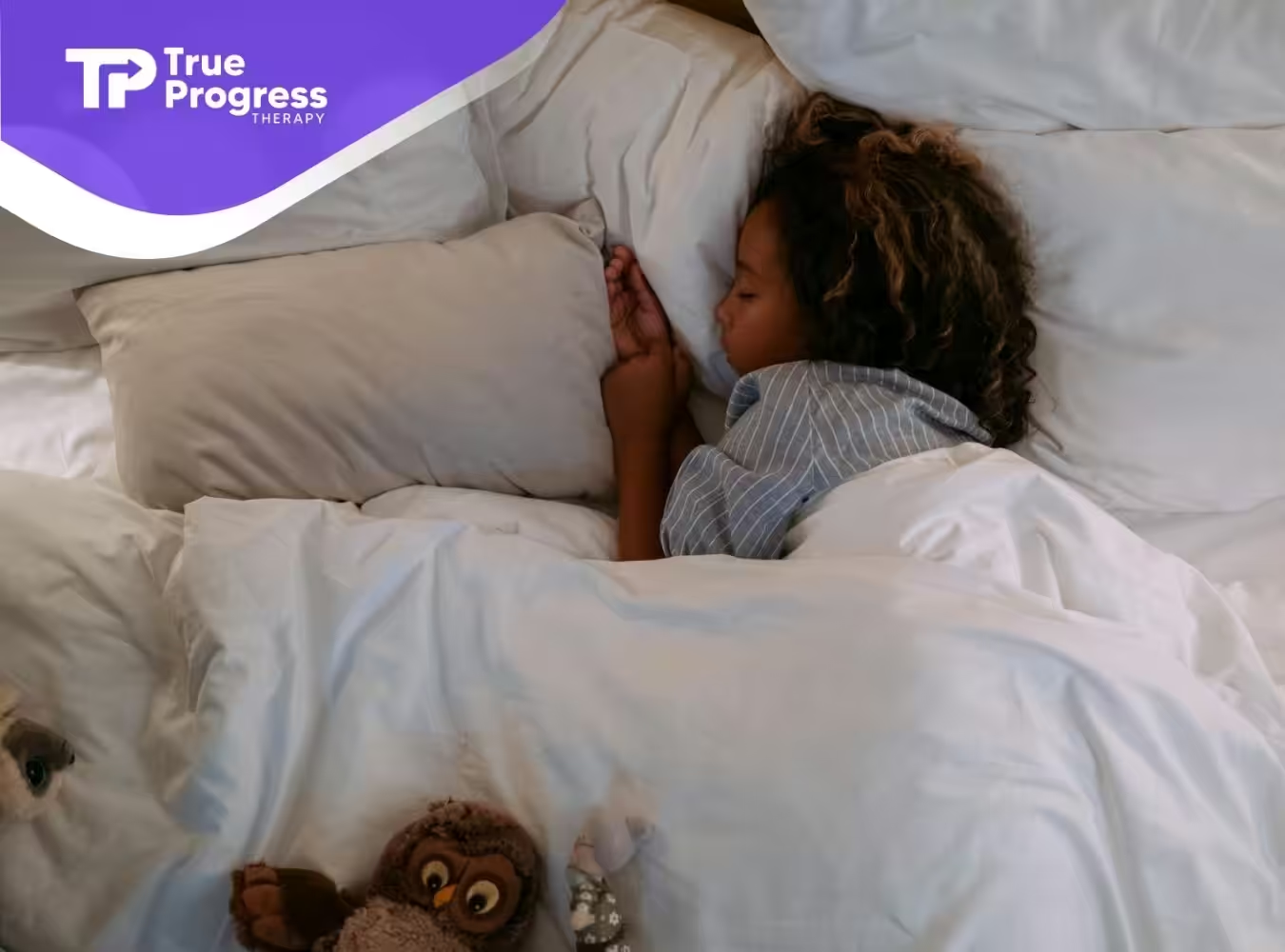
No single sleeping position is "autistic" or diagnostic. Many autistic children and adults do favor positions or set-ups that give pressure, enclosure or predictability, such as curling up, tucking their hands under their chin or sleeping under heavy blankets. Sleep problems are also more common in autism, which is why sleep patterns and sensitivities deserve attention whatever position someone sleeps in.
Autistic vs Typical Sleeping Positions: Is There a Difference?
Short answer: no research has identified a sleeping position that is specific to autism. Autistic and non-autistic people use the same postures. What families and autistic adults tend to describe is a stronger need for pressure, enclosure or predictability at night. The table below sets out what's commonly reported, why it may happen and what the evidence actually says.
Position or habit | What families and autistic adults report | Possible sensory reason | What the evidence says |
Curled or fetal | Lying on the side with knees drawn toward the chest, often described as feeling secure | May provide gentle all-over pressure and a contained feeling | A common comfort posture for many people. No study shows it is specific to autism. |
Hands tucked under chin, or "T-rex/dinosaur hands" (more here) | Hands folded up under the chin or arms bent against the chest. Some people liken it to holding a stuffed animal. | May offer self-applied pressure or a calming, repetitive habit | Described in community and parent-focused sources only. No controlled study shows it is autism-specific, and it can cause stiffness or night waking. |
Cocooned under heavy blankets or wedged against a wall | Piling on blankets, tight sheets, sleeping pressed against a wall or bed edge | May give deep pressure and a clear sense of boundaries | Deep-pressure tools are widely used, but research on their benefit is limited and mixed. No study shows cocooning is autism-specific. |
Knees up | Lying on the back or side with knees bent or drawn up | May give pressure feedback through the hips and legs. For some it may simply be more comfortable. | Anecdotal reports only. No study has examined it in autistic sleepers. |
Stomach sleeping for pressure | Lying face-down, sometimes with arms under the body, to feel weight on the chest and tummy | May provide body-weight pressure against the mattress | No study shows stomach sleeping is more common in autism. It is not safe for babies (see the box below). |
Frequent position changes or restlessness | Tossing, turning, getting up, moving between spots | May reflect trouble winding down, or discomfort with texture, temperature, noise or light | Sleep problems are well documented in autism, but restlessness is not a diagnostic marker. Loud snoring or pauses in breathing are worth raising with a doctor. |
No study has shown that any of these positions is specific to autism, and none can be used to diagnose or screen for it.
What about "neurodivergent sleeping positions"?
"Neurodivergent" is an umbrella term that includes autistic people, people with ADHD and others whose brains work differently, and many people are both autistic and have ADHD. No study has shown that neurodivergent people share a particular sleeping position. What people more often report is a pattern of needs: restlessness, difficulty winding down, and sensory-seeking at night, such as wanting pressure, enclosure or movement. That can look like burrowing under heavy blankets, wedging against a wall, changing position often, or holding a pillow or toy close.
These are personal comfort strategies, not diagnostic signs. If sleep is a struggle, tracking what actually helps matters more than copying a "neurodivergent position."
Understanding Sleep Issues In Autism
Position is only one piece of the picture. Sleep problems themselves are common in autism.
Prevalence Of Sleep Disturbances
Estimates vary with the study and how sleep is measured. A clinical review in Pediatric Clinics puts sleep problems at roughly 40% to 80% of autistic children, and a recent meta-analysis of 22 studies found a pooled rate of about 60%. Rates in non-autistic children are lower, though estimates there vary widely too. Adults with autism also experience higher rates of insomnia, fragmented rest, and sleep talking. (Source) To understand the causes, read about why sleep problems are more common in autism.
Impact On Daytime Functioning
Interrupted or insufficient rest can exacerbate learning challenges, emotional regulation difficulties, and sensory overload during waking hours. Studies link poor nighttime sleep in autistic children to more intense behavior issues and social struggles throughout the day.
Overview Of Common Sleep Postures
Autistic individuals adopt a variety of sleeping positions based on comfort, sensory preferences, and muscle tone. The three primary postures are side, back, and stomach sleeping. Each position carries distinct benefits and considerations related to breathing, spinal alignment, and brain clearance.
Position | Description | Benefits | Considerations |
|---|---|---|---|
Side Sleep | Lying on the left or right side | Comfortable for many people and may feel secure for those who prefer gentle pressure | Pressure points on the hips or shoulders if unsupported |
Back Sleep | Lying flat on the back | Maintains neutral spine, reduces neck strain | Can worsen airway obstruction, linked to severity rise in some people, including snoring or sleep apnea |
Stomach Sleep | Lying face down on the stomach | May reduce reflux, feel cocooned | Neck strain, limits deep breathing, less waste removal. Not safe for babies. |
These are general comfort and breathing considerations. Brain-clearance findings come from animal studies, and no position has been shown to change autism symptoms.
Side Sleeping
Some autistic people prefer side sleeping, often curled in a fetal position. This posture tends to feel secure and can align with sensory preferences for gentle pressure.
Benefits Of Side Sleeping
- Animal research suggests side-lying may support brain waste clearance, but this has not been shown in humans or in autistic people.
- Can feel secure and may suit a preference for gentle, all-over pressure when curled up.
Side Choice Considerations
- The left side can ease digestive discomfort for some, but may not clear toxins as efficiently. If reflux or another medical issue is a concern, ask a doctor which side suits the person.
- Use a body pillow or bolster to cushion the hips and shoulders, preventing pressure build-up.
Back Sleeping
Back sleeping offers spinal support but can pose challenges for airway clearance and sensory comfort.
Risks Of Back Sleeping
- In rat studies, brain waste clearance was less efficient on the back. There is no evidence this matters for autistic people.
- May worsen snoring or sleep apnea, leading to more frequent awakenings.
Stomach Sleeping
Though less common, stomach sleeping can feel secure but brings trade-offs.
Considerations For Stomach Sleepers
- Neck rotation increases the risk of strain and discomfort.
- Chest compression can limit deep breathing and oxygen exchange.
- Might ease reflux or offer a tactile sense of enclosure, supporting some sensory needs.
Babies and safe sleep
The side- and stomach-sleeping information in this article is for older children and adults. It does not apply to babies. The American Academy of Pediatrics recommends that infants be placed on their backs for every sleep, on a firm, flat, non-inclined surface with no soft bedding, until their first birthday. Pillows, bolsters, wedges and loose blankets do not belong in a baby's sleep space. A baby's sleeping position is not a way to spot autism. If you're worried about your baby's development, read about the signs of autism and talk with your pediatrician. See the AAP's safe sleep recommendations.
Does Sleeping Position Affect Autism Symptoms?
The honest answer is that nobody knows yet. There is no established evidence that any sleeping position reduces autism symptoms.
The idea comes from research on the glymphatic system, the brain's waste-clearance pathway, which is most active during sleep. In a 2015 study of anesthetized rats, waste moved through the brain most efficiently when the animals lay on their sides compared with their backs or stomachs, and the authors noted that human testing would be needed. This work comes from animal and general-population research. None of it tested autistic people.
The autism-specific claim traces to a 2022 study in the journal Medical Hypotheses. It was a retrospective survey in which parents reported their child's sleeping position in the first six months of life. It found that more side sleeping was associated with lower autism severity and more back sleeping with higher severity. The authors themselves note that correlation does not show causation. It is one early study based on parent recall, and it concerns babies, who should be put to sleep on their backs (see the box above). It is not a reason to change anyone's sleeping position.
In practice, choose the position that lets the person sleep comfortably and safely. Side sleeping with support may suit some people, while others sleep best on their back or stomach. If someone snores loudly, seems to pause in their breathing or wakes often, talk to a pediatrician or sleep specialist, since sleep apnea or another condition may be involved.
Customizing Positions To Needs
Every individual has unique sensory profiles and physical comfort zones. Adjusting pillows, mattress type, and supports helps tailor sleeping postures.
These supports are for older children and adults. Don't use pillows, wedges or loose bedding with babies. Ask an occupational therapist before using weighted blankets or vests with a child.
Sensory Preferences And Supports
- Weighted blankets or vests provide gentle pressure that can encourage side or stomach sleeping.
- Soft, breathable fabrics reduce skin irritation and temperature spikes.
- Noise machines or room-dampening panels help minimize sudden sounds that disrupt rest.
Could a few adjustments make side sleeping feel noticeably more comfortable? Simple changes often yield big improvements.
Using Pillows and Aids
- Body Pillows: Encourage a stable side posture, hugging supports torso alignment.
- Wedge Cushions: Elevate the upper body slightly to reduce back sleeping tendencies.
- Specialty Pillows: Contoured designs cradle the neck and maintain neutral spine alignment.
Creating A Sleep-Friendly Environment
Beyond position, the bedroom setting plays a critical role in restful nights for autistic individuals.
Sensory-Friendly Bedroom Setup
- Dim, even lighting with blackout curtains or sleep masks.
- Minimal clutter and neutral colors to reduce visual overload.
- White noise or gentle music to mask sudden disturbances.
Consistent Bedtime Routines
Establishing a predictable sequence of activities signals winding down to the brain. A sample routine might include:
- Calming activity, such as gentle stretching or reading.
- Dim lights 30 minutes before lights out.
- A warm bath or shower 60 minutes before bedtime.
- Quiet time with a weighted blanket or soft toy.
Routines cue melatonin release and support reliable sleep-wake cycles.
Tracking And Adapting Strategies
Monitoring patterns and knowing when to seek help ensures that sleeping positions and environments evolve with changing needs.
Monitoring Sleep Patterns
- Keep a sleep journal, noting position, duration, and nighttime awakenings.
- Use wearable trackers or simple bedside movement sensors to detect restlessness.
- Share observations with therapists or pediatricians for tailored recommendations.
Seeking Professional Guidance
When sleep issues persist despite environmental tweaks and positional supports, consulting specialists is wise. Recommended professionals include:
- Pediatric Sleep Specialists for the diagnosis of disorders like apnea or insomnia.
- Occupational Therapists skilled in sensory integration strategies.
- Board-Certified Behavior Analysts (BCBAs) who can incorporate bedtime routines into behavior plans.
Conclusion
Sleep shapes daytime learning, behavior, and overall well-being for individuals on the autism spectrum. No single position is right for every autistic person, and no position has been shown to reduce autism symptoms. Side sleeping suits some people, especially with cushioning, while others sleep best in a different posture. Comfort, safety and consistency matter most. Parents, educators, and therapists should observe personal preferences, adjust bedding supports, and fine-tune bedroom environments to reinforce healthy sleep habits. Tracking patterns and collaborating with sleep specialists or therapists ensures that interventions align with each individual's unique needs. By prioritizing restful nights and thoughtful positioning, families and professionals can help autistic individuals wake up more refreshed and ready for the day.
At True Progress Therapy, we know restful sleep is just as important as structured learning. Our ABA therapy programs in New Jersey take a holistic approach, addressing not only communication, social, and daily living skills, but also supporting families in building healthy routines, including sleep strategies. With guidance from our experienced team, we help families create consistent habits that reduce stress and improve overall well-being.
Contact us today to learn how our individualized in-home ABA therapy can support both your child's nights and days.
Frequently Asked Questions
Do children with autism have more sleep problems than others?
Yes. Research shows that many children on the autism spectrum experience sleep challenges such as difficulty falling asleep, frequent night waking, or irregular sleep patterns, which can affect learning and behavior.
Can sleep positions, like side sleeping, help children with autism?
Side sleeping may improve comfort for some children. With proper pillows and cushioning, it can also help children feel calmer and more rested. No research has shown that any sleep position reduces autism symptoms, and these suggestions do not apply to babies, who should always be placed on their backs to sleep.
Can ABA therapy help with sleep routines for children with autism?
Yes. While ABA therapy doesn’t treat sleep disorders directly, it can help establish consistent bedtime routines, reduce anxiety around sleep, and support behavior strategies that encourage healthy rest.
Is there a specific autistic sleeping position?
No. No research has identified a sleeping position that is specific to autism, and position cannot be used to diagnose or screen for it. Many autistic children and adults do prefer positions or set-ups that give pressure, enclosure or predictability, such as curling up, tucking their hands under their chin or sleeping under heavy blankets, and plenty of non-autistic people do too.
Why do some autistic people sleep with their hands under their chin?
Some autistic people describe it as comforting, like holding a stuffed animal, and it may provide self-applied pressure or a calming, repetitive habit. No study has confirmed why people sleep this way, and it is not a sign of autism on its own. If it causes stiffness or waking, an occupational therapist can suggest options. See our guide to T-rex arms.
Can a baby's sleeping position be a sign of autism?
No. A baby's sleeping position is not a sign of autism and cannot be used to screen for it. For safe sleep, the American Academy of Pediatrics recommends placing babies on their backs for every sleep, on a firm, flat surface with no soft bedding. If you're worried about your baby's development, talk with your pediatrician.
What are neurodivergent sleeping positions?
"Neurodivergent sleeping positions" is not a medical or research category. People who are autistic or have ADHD often report habits such as curling up, cocooning under blankets, tucking their hands or moving a lot at night, which may relate to sensory needs or trouble winding down. No position has been shown to be specific to any neurotype.
SOURCES:
ScienceDirect – S0306987722000135
theautismvoyage.com – Autism Sleeping Position 5 Powerful Tips
neurolaunch.com – Autistic Sleeping Positions
National Library of Medicine – PMC5433911
neurodivergentinsights.com – Autism Adhd And Sleep
pediatric.theclinics.com – Abstract
Related Posts

Why Sleep Problems in Autism Happen and How to Help
Sleep problems in autism are one of the most common concerns families bring up during conversations about daily functioning and behavior. Parents often describe evenings that feel never-ending — children who struggle to fall asleep, wake frequently during the night, or start the day hours before eve
Read article
Training Kids with Autism to Sleep Alone: A Helpful Guide
Getting a child with autism to sleep independently can be a challenging journey for parents. For many children on the autism spectrum, bedtime routines can be a source of stress and anxiety. They may struggle with changes in their environment or routine, find it difficult to self-soothe, or experien
Read article
Understanding the Different Types of Autism Spectrum Disorders (ASD)
Autism spectrum disorder (ASD) is not a singular condition but a spectrum disorder, encompassing a range of developmental disorders. These disorders significantly affect an individual’s communication and social interaction, often presenting challenges in understanding and responding to social cues.
Read article