

Training Kids with Autism to Sleep Alone: A Helpful Guide
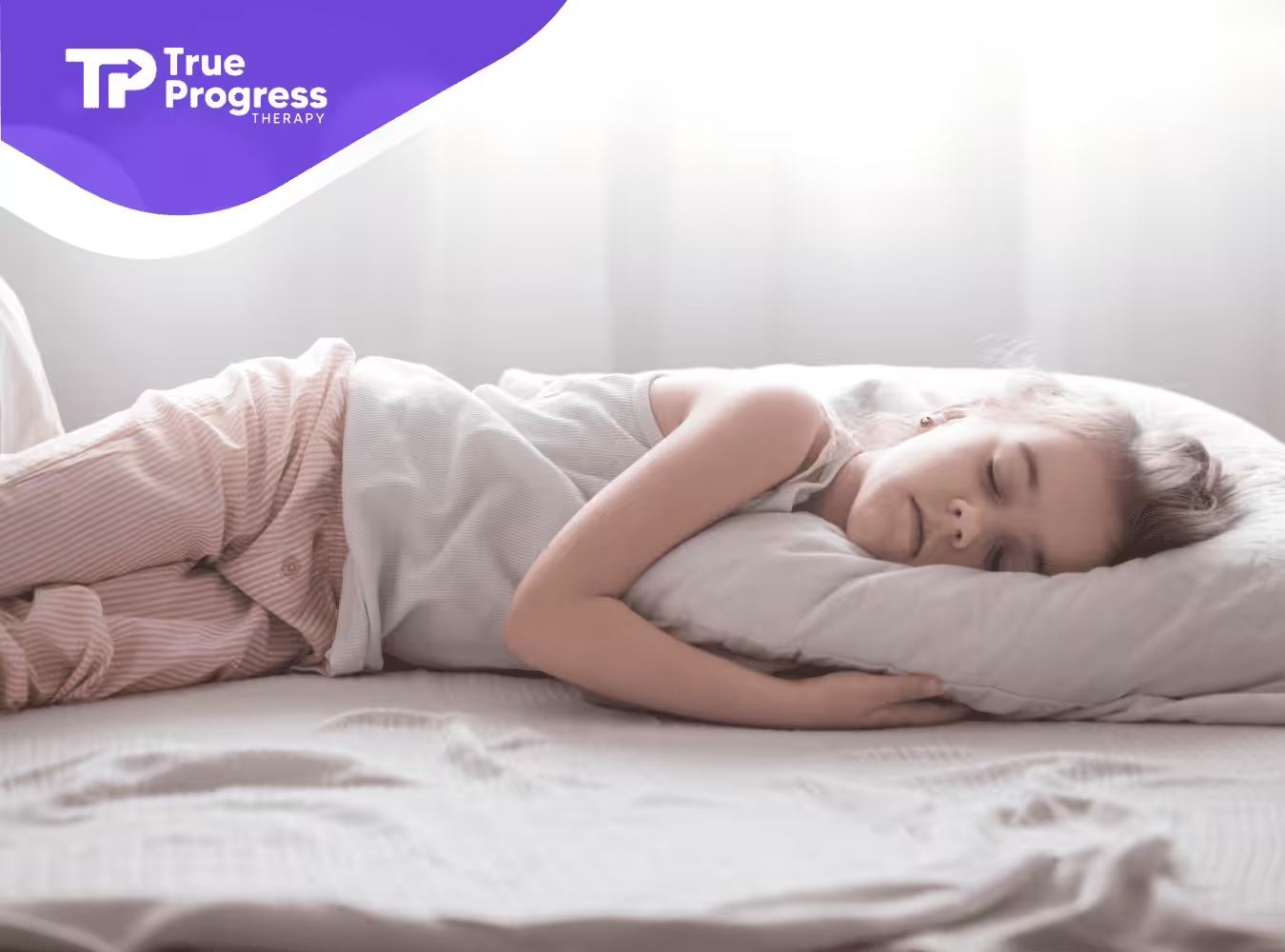
Getting a child with autism to sleep independently can be a challenging journey for parents. For many children on the autism spectrum, bedtime routines can be a source of stress and anxiety. They may struggle with changes in their environment or routine, find it difficult to self-soothe, or experience sensory sensitivities that make sleep difficult. As a result, children with autism may often seek comfort from their parents, leading to co-sleeping or difficulty falling asleep alone.
However, with the right strategies and consistent support, it is possible to help children with autism develop the skills necessary to sleep independently. In this guide, we’ll explore some effective techniques for training kids with autism to sleep alone, addressing the common challenges parents face and providing solutions to promote better sleep for both children and their families.
Understanding Sleep Challenges in Children with Autism
Before diving into strategies for training kids with autism to sleep alone, it’s essential to understand why sleep can be such a challenge for children on the spectrum.
- Sensory Sensitivities: Many children with autism experience heightened or diminished sensitivity to sensory stimuli. This can include sensitivity to light, sound, touch, or temperature. For some children, the act of being in their own room or falling asleep alone may feel overwhelming due to these sensitivities.
- Anxiety: Children with autism may struggle with anxiety, particularly around changes in routine. Bedtime represents a transition from daytime activities to rest, and this change can cause stress. Anxiety can also be triggered by separation from parents or caregivers, which can lead to difficulties falling asleep alone.
- Difficulty with Self-Regulation: Many children with autism have difficulty self-regulating their emotions, which can make it harder for them to calm down and prepare for sleep. They may require external support, such as a parent’s presence, to help them feel secure enough to fall asleep.
- Difficulty with Sleep Routines: Establishing a consistent and calming bedtime routine is crucial for any child, but for children with autism, routines become even more important. A lack of structure or predictability at bedtime can make it difficult for children to feel comfortable and relaxed enough to fall asleep on their own.
Steps for Training Kids with Autism to Sleep Alone
Although training a child with autism to sleep alone can take time and patience, it is possible with the right approach. Here are some strategies that can help parents establish a successful sleep routine:
1. Establish a Consistent Bedtime Routine
The first step in training kids with autism to sleep alone is creating a predictable, calming bedtime routine. Routine and structure are vital for children on the autism spectrum, as they help children feel secure and know what to expect. A consistent routine can include activities such as:
- Taking a warm bath or shower: This can help your child relax before bedtime.
- Reading a favorite book or telling a story: Storytime can serve as a calming activity that signals the end of the day.
- Using calming music or white noise: Some children with autism find that background noise helps them feel more comfortable when trying to sleep.
- Dim lights or soft lighting: If your child is sensitive to light, using a nightlight or dimming the lights can create a soothing environment.
The key to this routine is consistency. By following the same steps each night, your child will start to associate these activities with bedtime, which can help them feel more comfortable and prepared for sleep.
2. Create a Sleep-Friendly Environment
Creating a sleep-friendly environment is essential for children with autism. The bedroom should be a space that promotes relaxation and comfort. Some helpful changes to the environment include:
- Control the sensory environment: Consider using blackout curtains to block out light, playing calming music or white noise to mask disruptive sounds, and adjusting the room’s temperature to a comfortable level.
- Choose sensory-friendly bedding: If your child has tactile sensitivities, opt for soft, tagless, or seamless sheets and blankets. This will help them feel more comfortable in bed.
- Reduce distractions: Keep the room free of distractions, such as loud toys or electronic devices, that could interfere with your child’s ability to fall asleep.
By ensuring that the sleep environment is sensory-friendly, you can help your child feel more at ease and better able to sleep independently.
3. Gradual Sleep Training Methods
One of the most effective techniques for training kids with autism to sleep alone is using gradual methods. Gradual sleep training involves slowly reducing the amount of time you spend with your child at bedtime, allowing them to become more comfortable with the idea of sleeping alone.
Here are some strategies for gradual sleep training:
- The Fade-Out Method: Start by sitting in the room with your child until they fall asleep, then gradually reduce your presence over time. For example, you might sit next to their bed for a few nights, then move farther away each night until you’re out of the room entirely.
- The Chair Method: In this method, parents begin by sitting in a chair next to their child’s bed while they fall asleep. Each night, the parent moves the chair slightly farther away from the bed until they are no longer in the room. This gradual reduction in proximity helps the child adjust to sleeping alone.
- The Sleep-on-the-Floor Method: Some parents find success by lying on the floor next to their child’s bed at first and gradually moving further away from the bed each night.
The key to these methods is consistency and patience. It may take several weeks for your child to adjust to sleeping alone, but with gradual changes, they will eventually feel more confident and comfortable falling asleep on their own.
4. Use Positive Reinforcement
Positive reinforcement is a powerful tool when it comes to encouraging children with autism to sleep independently. Rewarding your child for their efforts, even small ones, can help them feel motivated and proud of their progress. Rewards can include verbal praise, small treats, or special privileges like extra playtime the next day.
For example, if your child stays in bed without calling for you for five minutes, praise them and reward them with a small treat. As they become more comfortable, you can gradually increase the duration of time before rewarding them.
It’s important to remember that rewards should be immediate and tangible, especially for younger children. This helps your child associate positive behavior (sleeping alone) with a positive outcome.
5. Address Nighttime Anxiety
If your child has anxiety about sleeping alone, it’s important to address their fears in a gentle and supportive way. Reassure your child that they are safe and explain that you will be nearby if they need you. You can also try techniques like:
- Visual Schedules: Create a bedtime chart that shows the steps of the bedtime routine and the sequence of events leading up to sleep. This can help your child understand the process and feel more secure.
- Comfort Objects: A favorite stuffed animal, blanket, or other comfort object can provide reassurance and help your child feel safe while they sleep.
- Gradual Separation: If your child is particularly anxious about separation, use gradual separation techniques to help them feel more secure in their ability to sleep alone.
By addressing nighttime anxiety, you can help your child build the confidence needed to sleep independently.
Conclusion
Training kids with autism to sleep alone can be a challenging but rewarding process. With the right strategies, patience, and support, children with autism can learn to sleep independently, which not only improves their sleep quality but also fosters a sense of accomplishment and independence.
At True Progress Therapy, we understand that every child is unique, and we are committed to providing individualized support to help children with autism reach their fullest potential. If you’re struggling with sleep challenges or need guidance on creating an effective bedtime routine, our team of professionals is here to help. We offer tailored ABA therapy services designed to support children and families in achieving lasting progress.
Frequently Asked Questions
1. How long does it take for a child with autism to sleep alone?
The time it takes for a child to sleep alone varies depending on the individual. It can take anywhere from a few weeks to several months, depending on the child’s comfort level and the consistency of the sleep training methods used.
2. What should I do if my child has severe anxiety about sleeping alone?
If your child experiences severe anxiety about sleeping alone, it’s important to address their fears gradually. Consider using comfort objects and a visual schedule and offering positive reinforcement to build their confidence. You may also want to consult with a professional to explore additional techniques.
3. Can I use technology, such as a nightlight or white noise machine, to help my child sleep alone?
Yes, many children with autism find comfort in sensory tools like nightlights, white noise machines, or soft music. These can help create a calming environment and reduce anxiety, making it easier for your child to sleep alone.
Sources:
- https://pmc.ncbi.nlm.nih.gov/articles/PMC3086654/
- https://www.autismparentingmagazine.com/autism-routine-importance/
- http://www.autism-help.org/behavior-positive-reinforcement-autism.htm
- https://ed-psych.utah.edu/school-psych/_resources/documents/grants/autism-training-grant/Visual-Schedules-Practical-Guide-for-Families.pdf
Related Posts
Autistic Sleeping Positions: Are They Different From Typical Sleep?
Understanding Sleep Issues In Autism Children and adults on the autism spectrum often have unique sleep patterns and sensitivities. Research shows that autistic individuals are nearly twice as likely to face sleep disturbances compared with their neurotypical peers. This gap can create a ripple effe
Read article
Why Functional Communication Training Is Important in ABA Therapy
There’s usually a reason behind behaviors like screaming, aggression, task refusal, or emotional outbursts, even when the reason isn’t immediately obvious. In clinical practice, I’ve found that many challenging behaviors happen when children don’t yet have the tools to communicate effectively during
Read article
Best Toys for Children with Autism: Helpful Choices
Toys That Are Good for Children with Autism When raising a child with autism, parents often look for ways to support their child’s development in fun, engaging, and effective ways. One of the most effective and enjoyable ways to encourage growth is through play. Toys specifically designed for childr
Read article