

How Do Autistic Children Play? Exploring the Characteristics
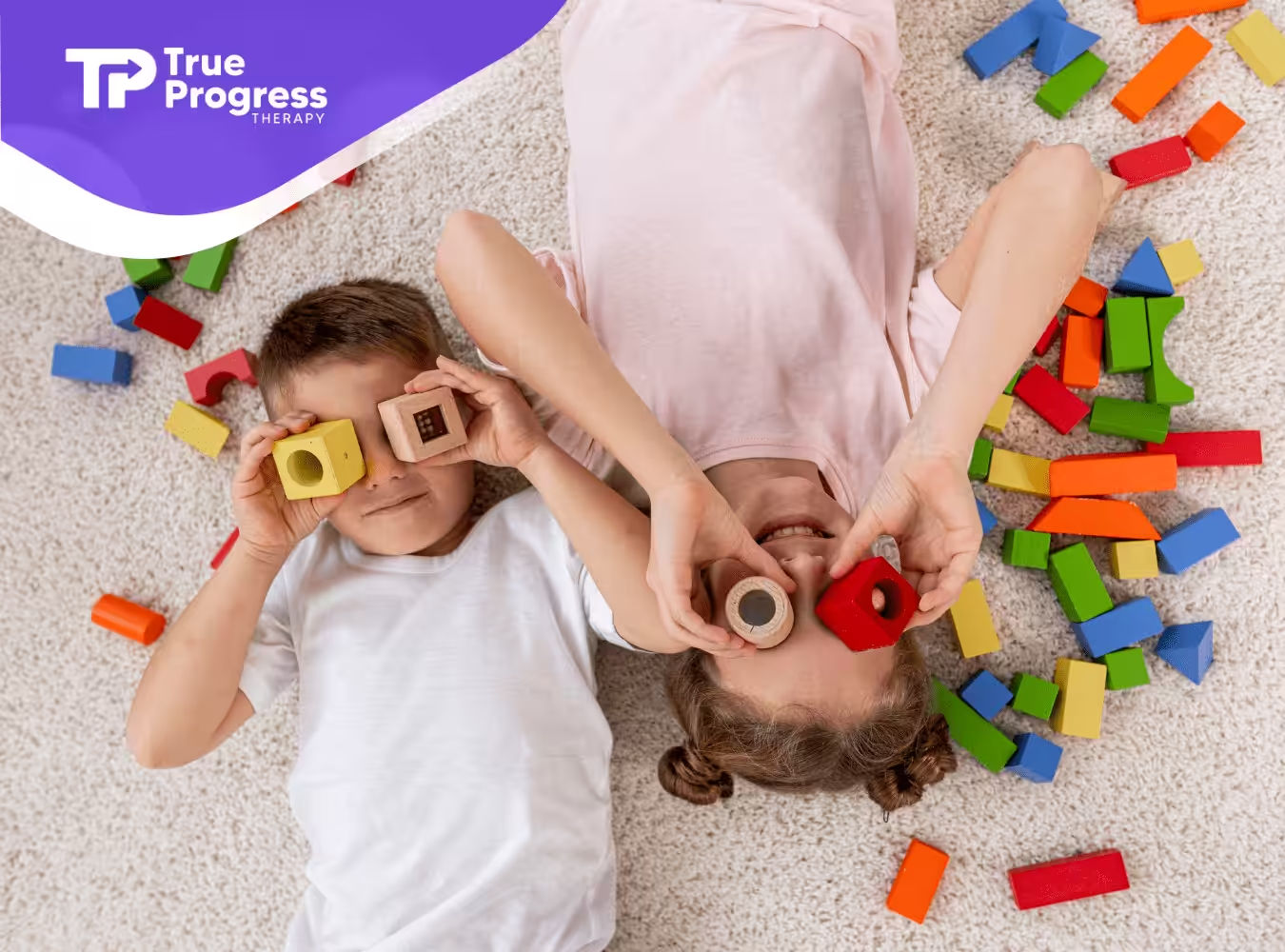
Autistic children may play differently from their peers, often engaging in solitary, repetitive, or sensory-based play. They might line up toys, spin objects, or focus intensely on a specific part of a toy rather than using it traditionally. Pretend play may be limited or unique, and social play can be challenging due to differences in communication and social cues.
However, autistic children do enjoy play—it just may look different. They may prefer routines, enjoy visual or tactile stimulation, or engage deeply with a special interest. These play patterns can offer comfort, build skills, and serve as an important part of their development.
Encouraging interaction, modeling new ways to play, and respecting their interests can help expand play skills while supporting emotional and cognitive growth.
At True Progress Therapy, we use ABA strategies to support play development and social engagement in ways that are meaningful to each child.
Frequently Asked Questions
1. Do autistic children play with others?
Some prefer solo play, but social play can be encouraged with support.
2. Is repetitive play normal in autism?
Yes, it’s common and often serves a soothing or sensory purpose.
3. Can ABA therapy help with play skills?
Yes, ABA can build social and functional play through structured guidance.
Sources:
- https://pmc.ncbi.nlm.nih.gov/articles/PMC2335292/
- https://iidc.indiana.edu/irca/articles/play-time-an-examination-of-play-intervention-strategies-for-children-with-autism-spectrum-disorders.html
Related Posts
Autistic Sleeping Positions: Are They Different From Typical Sleep?
Understanding Sleep Issues In Autism Children and adults on the autism spectrum often have unique sleep patterns and sensitivities. Research shows that autistic individuals are nearly twice as likely to face sleep disturbances compared with their neurotypical peers. This gap can create a ripple effe
Read article
Understanding the Autistic Hug (and the Third Eye Hug): What It Means
Key Highlights In a world where communication often defaults to words, the significance of physical touch, particularly in the context of autism, is frequently overlooked. Hugs can carry profound meanings and serve as powerful connectors for many individuals on the spectrum. They can act as a bridge
Read article
What Is the Hardest Age for Autism, and Does Autism Peak?
There’s no single age that’s the hardest for autism. The challenges tend to shift as a child grows. That said, many families agree that certain stages feel more overwhelming than others—especially when expectations suddenly change. What age feels hardest for autism? Autism doesn’t get “hard” at one
Read article