

Water Play Activities for Autistic Children: Fun Ways to Learn and Regulate
When I work with children on the autism spectrum, I often look for ways to make learning feel natural. One of the best methods I’ve found is through water play activities. They’re not only fun but also incredibly beneficial for children with autism who experience sensory differences, communication challenges, or difficulty regulating emotions.
For many kids, water brings comfort, curiosity, and calm — the perfect mix for learning and connection. Over time, I’ve seen how structured water activities can improve sensory regulation, fine motor skills, language development, and social interaction.
Let’s look at how and why water play can make such a difference for children with autism.
The Benefits of Water Play for Autism
Children with autism often process sensory input differently. Some are sensitive to certain textures or sounds, while others seek constant sensory stimulation. Water play therapy offers a safe and adaptable way to meet those needs.
According to research published in the American Journal of Occupational Therapy, over 80% of children with autism show some level of sensory processing difference. Activities involving water can help balance those sensory systems — either by calming an overstimulated child or engaging one who needs more input.
The benefits of water play for autism include:
- Sensory regulation through soothing tactile input
- Fine motor development by pouring, squeezing, or scooping
- Language building through labeling actions and objects
- Social learning through shared play or turn-taking
- Emotional regulation by providing a relaxing and predictable activity
It’s not just a fun pastime; sensory water activities for autism can help children learn how to focus, communicate, and manage sensory challenges in a positive way.
How to Start Water Play at Home
Before setting up water play, keep safety in mind. Always supervise your child, especially with buckets, tubs, or pools. Start small — even a bowl of water or a sink can be enough for your child to explore. The key is to create a calm, positive experience that encourages exploration, not pressure.
It helps to observe your child’s sensory preferences. Do they like warm or cool water? Are they drawn to bubbles, colors, or textures? These small details make the experience more engaging and beneficial.
Sensory Water Play Activities for Autism
1. Sensory Bins
A water sensory bin is one of my favorite ABA therapy tools. Fill a plastic bin with water and add simple items such as cups, spoons, sponges, or floating toys. Encourage your child to scoop, pour, and squeeze. These actions build coordination and hand strength while offering calming sensory input.
You can make it more interesting by adding:
- Food coloring for visual contrast
- Ice cubes for temperature variation
- Scented oils for mild aromatherapy
- Bubbles for tactile stimulation
Use this activity to introduce simple words like “wet,” “pour,” or “sink.” Pairing play with communication helps reinforce language naturally.
2. Pouring and Measuring
Children with autism often enjoy repetition and predictability. Activities like pouring water between containers or measuring cups provide exactly that. It helps them focus, improves fine motor control, and supports early math concepts.
During sessions, I also use pouring activities to work on functional communication — teaching children to request “more,” “help,” or “my turn.” It’s a gentle, engaging way to practice expressive language skills.
3. Bubble Play
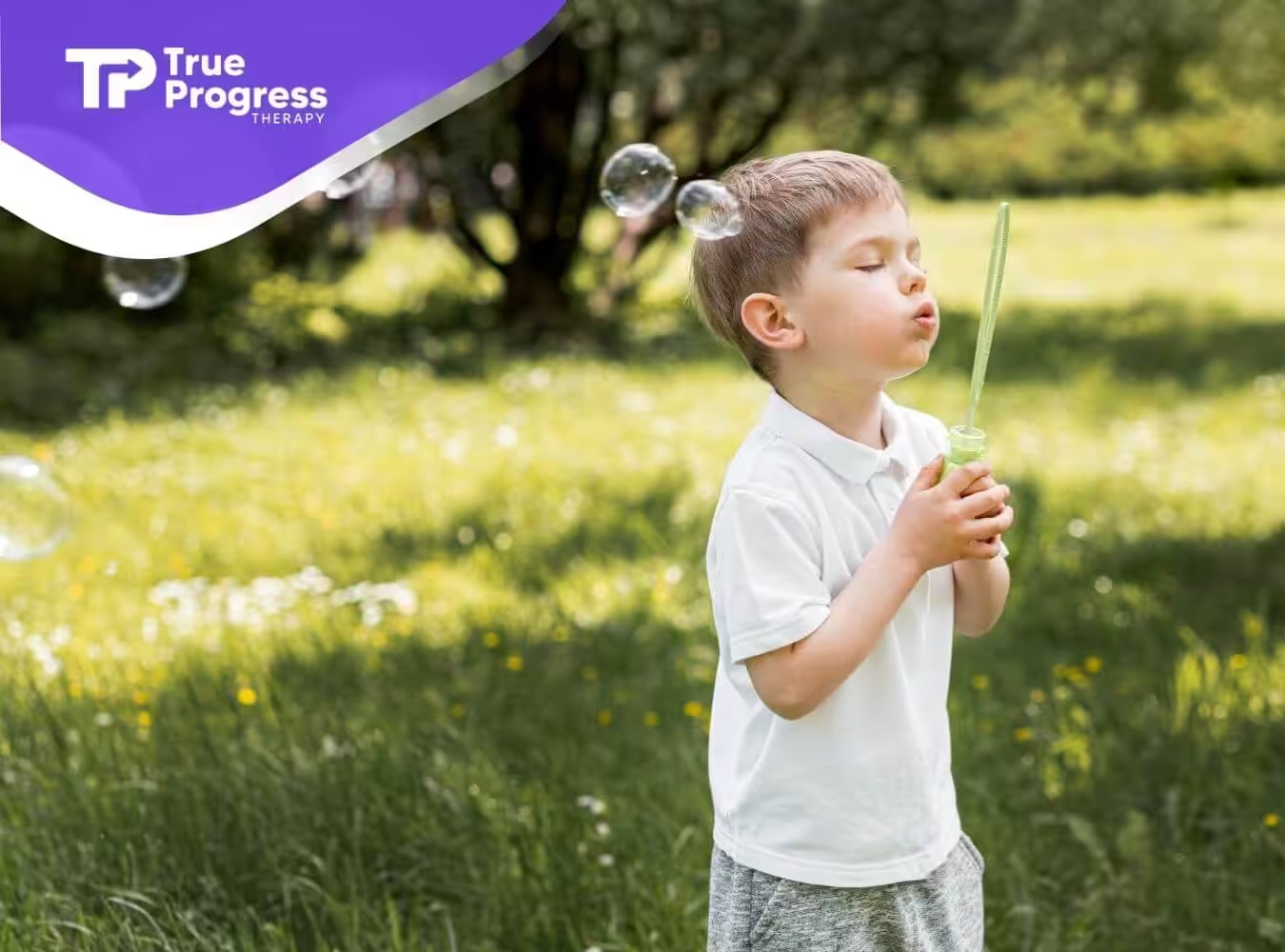
Bubble play for autism supports both sensory and motor development. Blowing bubbles strengthens oral motor muscles, while watching and popping bubbles helps with visual tracking and joint attention.
For children who struggle to blow bubbles, try bubble machines or wands. Narrate what you’re doing — “big bubble,” “pop,” “high!” — to model language. Simple repetition encourages imitation and vocabulary growth.
Social and Emotional Learning Through Water Play
1. Cooperative Splash Games
Water games can also encourage social skills. Passing floating toys back and forth, pouring water for one another, or taking turns with a hose teaches cooperation and sharing.
Studies have found that structured play interventions improve social engagement in children with autism when practiced regularly. Water naturally lowers anxiety, making it easier for children to engage with peers or siblings without pressure.
2. Water Painting
A paintbrush and a bucket of water can be powerful tools. Children can “paint” fences, sidewalks, or paper with water, which helps with fine motor control, patience, and attention. It’s mess-free, soothing, and great for children who prefer quieter activities.
3. Pretend Water Play
Water can turn into a stage for imaginative play — washing toy cars, giving dolls a “bath,” or pretending to cook in a “kitchen.” Pretend water play encourages creativity, helps build cognitive flexibility, and offers natural opportunities for social language (“your turn,” “wash,” “clean”).
Outdoor Water Play Ideas
1. Spray Bottles and Water Balloons
Using spray bottles helps strengthen hand muscles while also offering a playful outlet for energy. Water balloons, when handled gently, teach coordination and timing. Encourage your child to say “ready,” “set,” and “go” to work on communication and sequencing skills.
2. Sprinkler or Splash Pad
Outdoor sprinklers or splash pads offer whole-body sensory input. Running through water streams can help children who crave proprioceptive or tactile feedback — both essential for sensory regulation.
Keep sessions short at first, then gradually extend as your child becomes more comfortable.
3. Float or Sink Experiment
Turn water play into a science activity. Fill a tub with water and collect objects from around the house. Ask your child to guess which will float or sink, then test it out together. This kind of activity builds critical thinking, language, and attention to detail in a hands-on way.
Incorporating Water Play into ABA Therapy
As a clinician, I often include water-based sensory activities in ABA sessions because they support multiple skill areas at once:
- Communication: Encourage requesting, labeling, and describing.
- Motor skills: Improve coordination and hand-eye control.
- Social learning: Practice sharing and turn-taking naturally.
- Behavior regulation: Provide calming input to reduce anxiety or frustration.
The best part is how easily water play fits into daily life — bath time, outdoor play, or a simple sink setup can all become learning opportunities.
Making Water Play a Meaningful Experience
Water play isn’t about perfection or following strict steps. It’s about creating connection and joy while supporting your child’s growth. Keep sessions short at first, celebrate small successes, and let your child take the lead.
Every splash, pour, or giggle is a small step toward better sensory balance, communication, and self-regulation.
At True Progress Therapy, we use personalized in-home ABA therapy and ABA parent training to help families across New Jersey turn everyday routines — like water play — into meaningful growth opportunities.
If you’re ready to explore how sensory play can help your child feel more regulated, confident, and connected, reach out to True Progress Therapy today. Together, we can make learning feel like play — one drop at a time.
FAQs
- Is water play safe for children with autism?
Yes, with close supervision and the right setup. Start with shallow water or sensory bins, and always ensure your child feels comfortable and secure.
- How can water play help with autism?
Water play supports sensory regulation, fine motor skills, communication, and social interaction. It helps children with autism relax and engage through movement and touch.
- Can I do water play activities at home?
Absolutely! You can create water bins, use bath time, or play outdoors. Simple household items like cups, sponges, and buckets are perfect for sensory water play.
Sources:
- https://pmc.ncbi.nlm.nih.gov/articles/PMC9850869/
- https://pmc.ncbi.nlm.nih.gov/articles/PMC8002945/
- https://link.springer.com/article/10.1007/s40489-024-00464-z
- https://pmc.ncbi.nlm.nih.gov/articles/PMC11491375/
- https://www.autismparentingmagazine.com/connection-autism-water/
- https://www.autismspeaks.org/blog/10-sensory-activities-for-autism
Related Posts

Empowerment Through Play: Recreational Activities for Autistic Adults
Supporting Autistic Adults Effective support mechanisms are essential in enhancing the lives of autistic adults. This section will delve into the importance of community inclusion and advocacy for autistic individuals. Importance of Community Inclusion Community inclusion plays a vital role in enhan
Read article
Vital Water Safety Tips for Autistic Children
Understanding Water Risks Challenges for Autistic Children Kids with autism spectrum disorder (ASD) have their own set of hurdles when it comes to water, making them more vulnerable than their neurotypical buddies. These hurdles include wandering off, not following directions, communication hiccups,
Read article
Building Brighter Futures: Effective Vocational Activities for Autistic Adults
Vocational Training for Autistic Adults Importance of Vocational Training Vocational training plays a crucial role in empowering individuals with autism to achieve vocational success. It provides specialized training and support, develops essential skills, and increases their employment opportunitie
Read article