

How Do You Deal With an Autistic Person Who Starts Acting Out During an Argument?
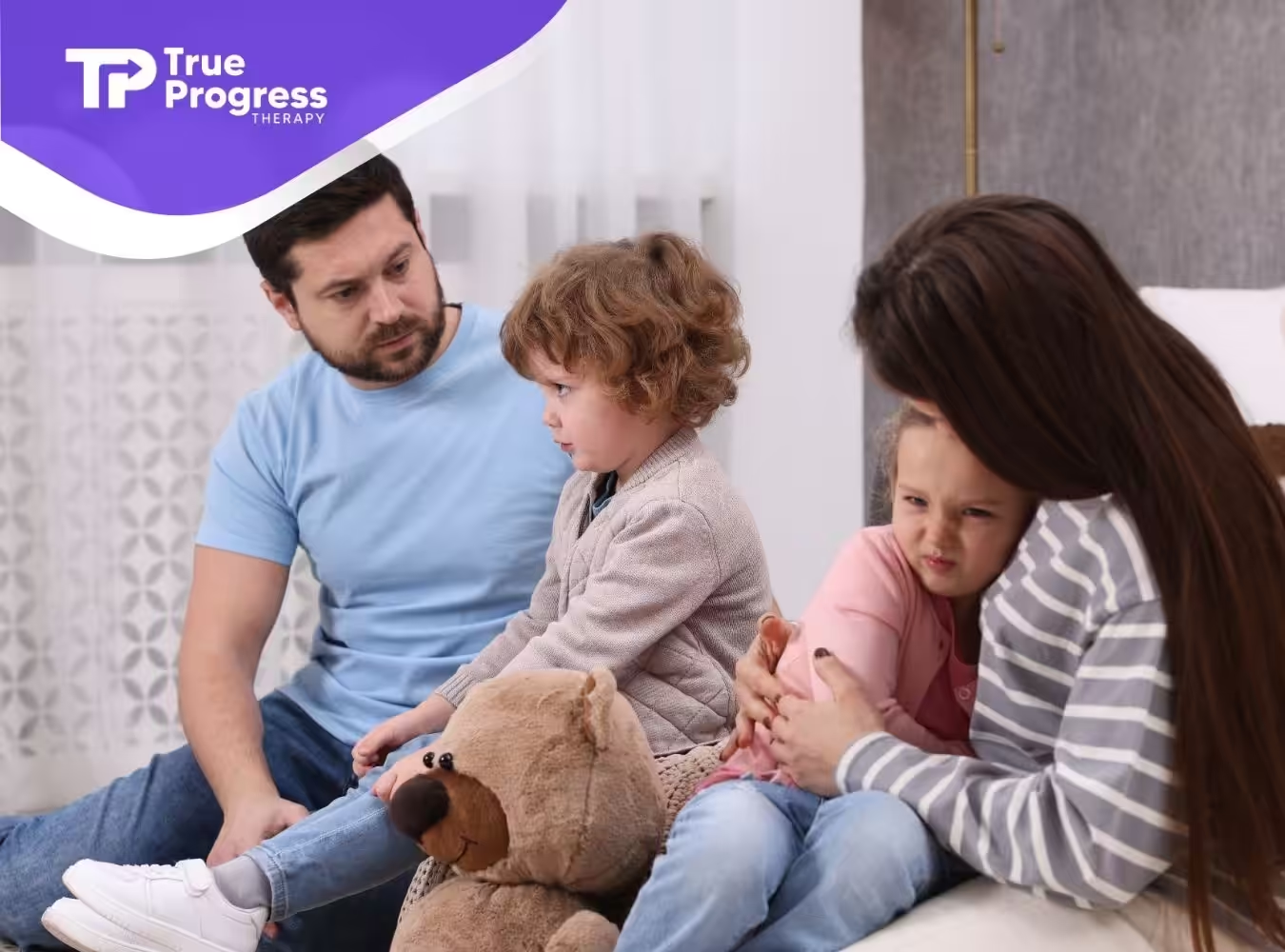
How do you deal with an autistic person who starts acting out during an argument? Prioritize safety, reduce sensory input, use brief concrete language, pause the argument, and resume only after calm returns. Meltdowns are loss-of-control responses to overwhelm, not willful behavior; lowering noise, light, and demands helps de-escalate.
In our New Jersey sessions, families often bring this question: How do you deal with an autistic person who starts acting out during an argument? We coach a simple flow: step back from the space, remove triggers, speak in short sentences, offer a calm corner or comfort item, and agree on a later time to finish the discussion. Health bodies advise de-escalation first, continuous monitoring, and minimal restraint.
Data show challenging behaviors are common in autism. One large network study reported aggression in 53.7 percent of participants, highlighting the need for planned responses. How do you deal with an autistic person who starts acting out during an argument? Use de-escalation and clear communication, then revisit the issue when regulated. How do you deal with an autistic person who starts acting out during an argument? Keep the person safe, cut sensory load, and delay problem-solving until calm.
FAQ
Is this a meltdown or a tantrum?
Meltdowns reflect overwhelm and loss of control; manage by reducing triggers and demands.
What should I do first?
Create a low-stimulation space, use short directives, and pause the discussion.
Why plan ahead?
Challenging behaviors are common; written plans improve safety and consistency.
Sources:
Related Posts

Autistic Sleeping Positions: Are They Different From Typical Sleep?
Understanding Sleep Issues In Autism Children and adults on the autism spectrum often have unique sleep patterns and sensitivities. Research shows that autistic individuals are nearly twice as likely to face sleep disturbances compared with their neurotypical peers. This gap can create a ripple effe
Read article
Understanding the Autistic Hug (and the Third Eye Hug): What It Means
Key Highlights In a world where communication often defaults to words, the significance of physical touch, particularly in the context of autism, is frequently overlooked. Hugs can carry profound meanings and serve as powerful connectors for many individuals on the spectrum. They can act as a bridge
Read article
What Is the Hardest Age for Autism, and Does Autism Peak?
There’s no single age that’s the hardest for autism. The challenges tend to shift as a child grows. That said, many families agree that certain stages feel more overwhelming than others—especially when expectations suddenly change. What age feels hardest for autism? Autism doesn’t get “hard” at one
Read article