

Why Is My Child Hitting Themself? Understanding and Stopping the Behavior
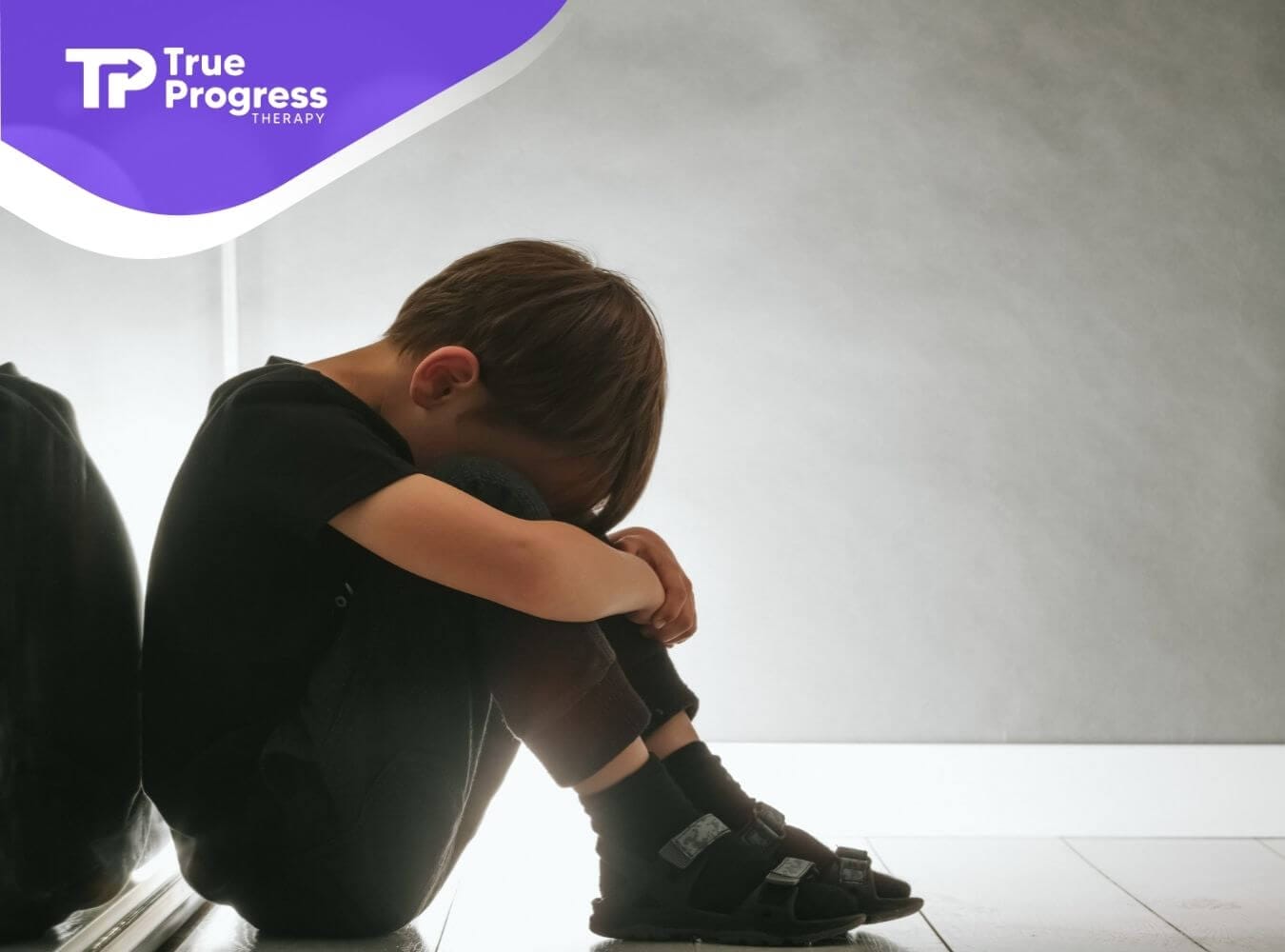
If your child is hitting themselves, it can feel scary and overwhelming. You might wonder if you’re doing something wrong — or if something more serious is happening.
Self-hitting is often a form of communication. The key isn’t just stopping the behavior. It’s understanding why it’s happening.
Why Do Children Hit Themselves?
Self-injurious behavior like head hitting or face slapping can happen for several reasons. It’s more common in children with developmental delays, autism spectrum disorder, or sensory processing challenges.
According to the Centers for Disease Control and Prevention, about 1 in 31 children in the U.S. are diagnosed with autism. Among autistic children, self-injurious behaviors can occur when communication or emotional regulation skills are still developing.
But even children without a diagnosis may hit themselves when overwhelmed.
Common triggers include:
- Frustration or inability to communicate
- Sensory overload
- Fatigue or hunger
- Anxiety
- Sudden transitions
- Seeking sensory input
The behavior may look alarming, but it usually serves a purpose.
What Self-Hitting Often Means
Before trying to stop the behavior, ask:
- What happened right before it started?
- Is my child trying to escape something?
- Are they overwhelmed or overstimulated?
- Are they seeking attention or input?
Self-hitting is rarely random. It’s usually a response to a stressor.
How to Handle Self-Injurious Behaviors in Children
Stopping the behavior long-term means replacing it with something safer and more effective.
Stay Calm First
Your reaction matters. If you panic or yell, it can increase stress. Speak softly and move calmly.
Block and Redirect
Gently block the movement if needed to prevent injury. Then redirect to a safer action, such as:
- Squeezing a stress ball
- Hitting a pillow
- Clapping hands
- Taking deep breaths
Teach Communication Alternatives
If frustration is the trigger, help your child learn to say or signal:
- “I’m mad.”
- “I need help.”
- “Stop.”
Visual cards or simple phrases can reduce self-hitting over time.
Reduce Triggers
Look for patterns. If transitions cause hitting, use countdowns and visual schedules. If sensory overload is the cause, reduce noise or stimulation.
Reinforce Calm Behavior
Praise immediately when your child uses safer coping skills. Positive reinforcement builds new habits faster than punishment.
When to Seek Professional Help
If self-hitting:
- Leaves marks or bruises
- Happens frequently
- Seems intense or escalating
- Interferes with school or daily life
It’s time to seek support.
Applied Behavior Analysis (ABA) therapy can identify the function of the behavior and teach replacement skills safely and systematically.
Early intervention can reduce the severity and frequency of self-injurious behaviors.
Support for Families in New Jersey and Missouri
If you’re feeling overwhelmed, you don’t have to handle this alone.
At True Progress Therapy, we work with families to understand challenging behaviors like self-hitting and create personalized intervention plans. Our ABA services in New Jersey and Missouri support children in building communication, emotional regulation, and coping skills.
We offer:
- In-home ABA — therapy delivered in a familiar, comfortable environment
- Parent training — equipping you with tools to manage behaviors confidently
The right support can make daily life calmer and safer. Reach out today to schedule a consultation and take the first step toward positive change.
FAQs
Is self-hitting always a sign of autism?
No. While it’s more common in autistic children, any child may hit themselves when overwhelmed or frustrated.
Should I punish my child for hitting themselves?
Punishment usually increases stress and doesn’t address the cause. Teaching safer alternatives is more effective.
Can ABA therapy help stop self-injurious behavior?
Yes. ABA therapy identifies why the behavior happens and teaches safer replacement skills, reducing self-hitting over time.
Sources:
- https://www.research.chop.edu/car-autism-roadmap/self-injurious-behavior
- https://pmc.ncbi.nlm.nih.gov/articles/PMC3990505/
- https://www.research.chop.edu/car-autism-roadmap/self-injurious-behavior
- https://autism.org/self-injury/
- https://www.kennedykrieger.org/patient-care/conditions/behavioral-disorders-self-injurious-behavior
Related Posts

Autistic Sleeping Positions: Are They Different From Typical Sleep?
Understanding Sleep Issues In Autism Children and adults on the autism spectrum often have unique sleep patterns and sensitivities. Research shows that autistic individuals are nearly twice as likely to face sleep disturbances compared with their neurotypical peers. This gap can create a ripple effe
Read article
Understanding the Autistic Hug (and the Third Eye Hug): What It Means
Key Highlights In a world where communication often defaults to words, the significance of physical touch, particularly in the context of autism, is frequently overlooked. Hugs can carry profound meanings and serve as powerful connectors for many individuals on the spectrum. They can act as a bridge
Read article
What Is the Hardest Age for Autism, and Does Autism Peak?
There’s no single age that’s the hardest for autism. The challenges tend to shift as a child grows. That said, many families agree that certain stages feel more overwhelming than others—especially when expectations suddenly change. What age feels hardest for autism? Autism doesn’t get “hard” at one
Read article