

Our Blog — Page 17
The True Progress Therapy blog is your trusted source for evidence-based ABA insights, autism research, and clinical perspectives. Designed for families seeking answers and professionals raising the bar — because meaningful progress starts with knowledge.
Showing 12 of 543 articles · page 17 of 46

How to Get Autistic Kids to Listen?
Getting autistic kids to listen can be challenging, but understanding their needs and communication style makes a big difference. Here are effective strategies: Use Clear and Simple Instructions: Break tasks into short, manageable steps. Avoid long explanations or multiple requests at once. Visual S
Read article
What Do Autistic Kids Need the Most?
Autistic kids need support that helps them feel safe, understood, and empowered. Every child is unique, but there are common needs that help them thrive: Structure and Routine: Predictability reduces anxiety and helps children navigate daily life with confidence. Communication Support: Whether throu
Read article
Hypersensitivity in Autism: Understanding and Supporting Unique Needs
Key Highlights Hypersensitivity in autism refers to an increased response to sensory input. Common triggers include noise, lights, textures, tastes, and smells. Hypersensitivity can affect daily routines, learning, and social experiences. Support strategies include sensory-friendly environments, cop
Read article
Sensory Friendly Shopping: A Guide for Families
Key Highlights Sensory-friendly shopping hours help autistic individuals shop in a calmer environment. Major retailers like Walmart, Target, New Seasons Market, and Primark offer quiet or sensory-friendly hours. Preparation strategies include visual schedules, sensory toolkits, and off-peak timing.
Read article
Autistic Wife-Neurotypical Husband: Building a Strong Relationship
Key Highlights Autistic wife-neurotypical husband relationships may bring unique communication and emotional challenges. Differences in social expectations and sensory needs can impact daily life and connection. Clear communication, respect for boundaries, and shared expectations strengthen the marr
Read article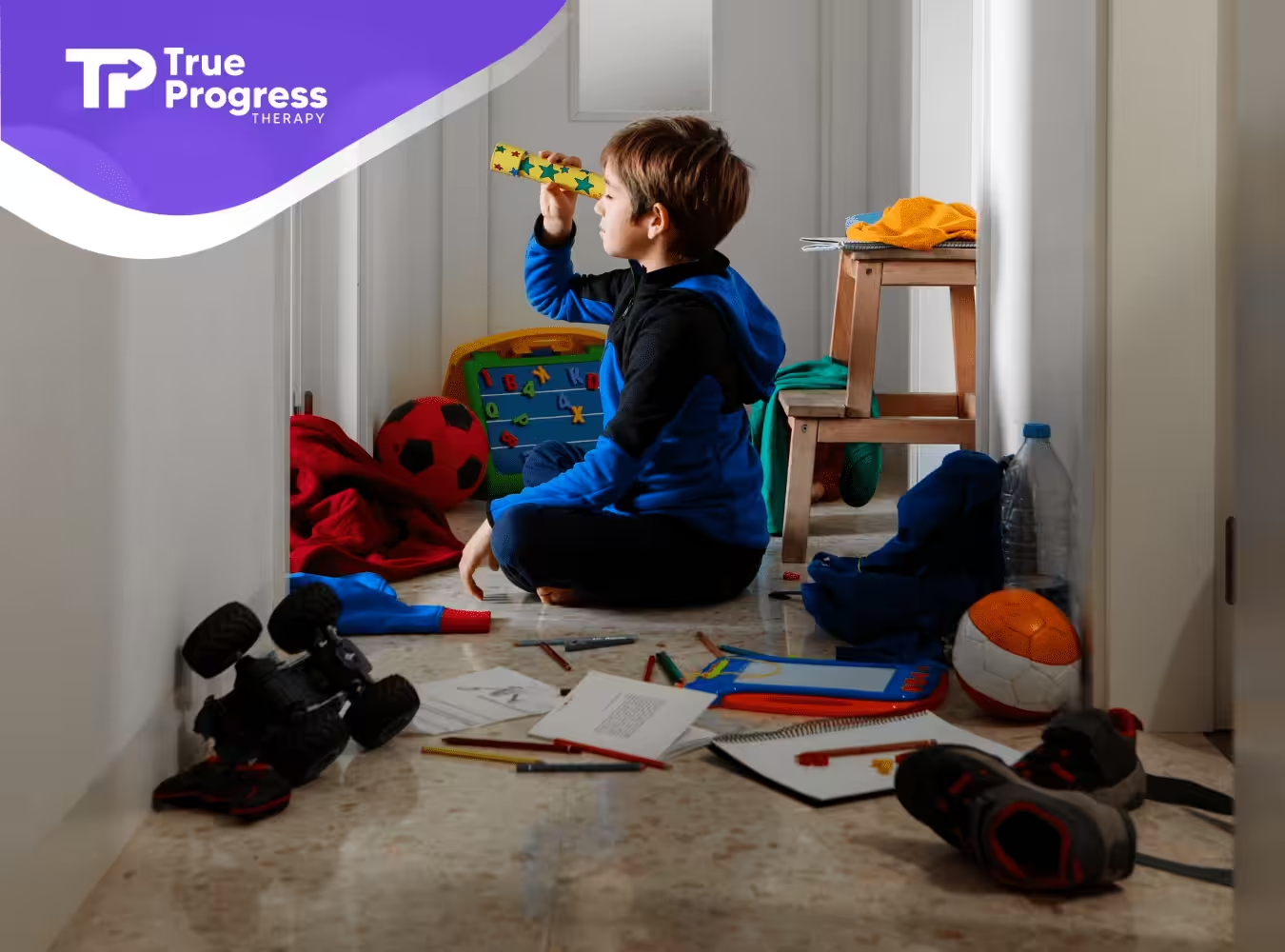
How to Keep Autistic Kids Busy?
Keeping autistic kids busy involves activities that balance fun, learning, and structure. Many children with autism thrive on predictable routines, so planning engaging activities can help reduce stress and improve focus. Some effective options include: Sensory activities like playdough, water play,
Read article
What Are the Dos and Don’ts of Autism?
Supporting a child with autism requires patience, understanding, and consistency. Here are some important dos and don’ts: Dos: Be patient and give extra time to process information. Use clear, simple communication and visual supports. Celebrate progress, no matter how small. Create structured routin
Read article
What Happens When You Yell at an Autistic Child?
Yelling at an autistic child can have negative effects. Many children with autism are highly sensitive to tone, volume, and emotions. When yelled at, they may feel frightened, overwhelmed, or confused. This can increase anxiety, trigger meltdowns, or cause withdrawal. Instead of teaching the desired
Read article
What is the Autism Grief Cycle?
The autism grief cycle refers to the emotional process many parents experience after their child receives an autism diagnosis. It is not about grieving the child but rather adjusting expectations and processing the changes in their journey. The cycle often mirrors stages of grief: denial, anger, bar
Read article
Can a Child with Autism Attend Regular School?
Yes, many children with autism can attend regular schools. The decision often depends on the child’s unique needs, strengths, and the level of support provided. Some children thrive in inclusive classrooms with accommodations, while others may benefit from specialized programs. Schools can provide I
Read article
Autism and Friendships: Building Social Connections
Key Highlights Children with autism may face challenges in understanding social cues, communication, and shared interests that impact friendships. Friendships are vital for emotional development, self-esteem, and social growth. Structured supports, social skills training, and parent guidance can fos
Read article
How to Travel with a Kid with Autism: Stress-Free Tips for Families
Key Highlights Preparing in advance makes traveling with a child with autism smoother and less stressful. Visual schedules, social stories, and sensory tools can help reduce anxiety during trips. Choosing autism-friendly destinations, flights, and accommodations improves the travel experience. Packi
Read articleNo articles match that search.