

Understanding Alexithymia and Autism: Key Insights
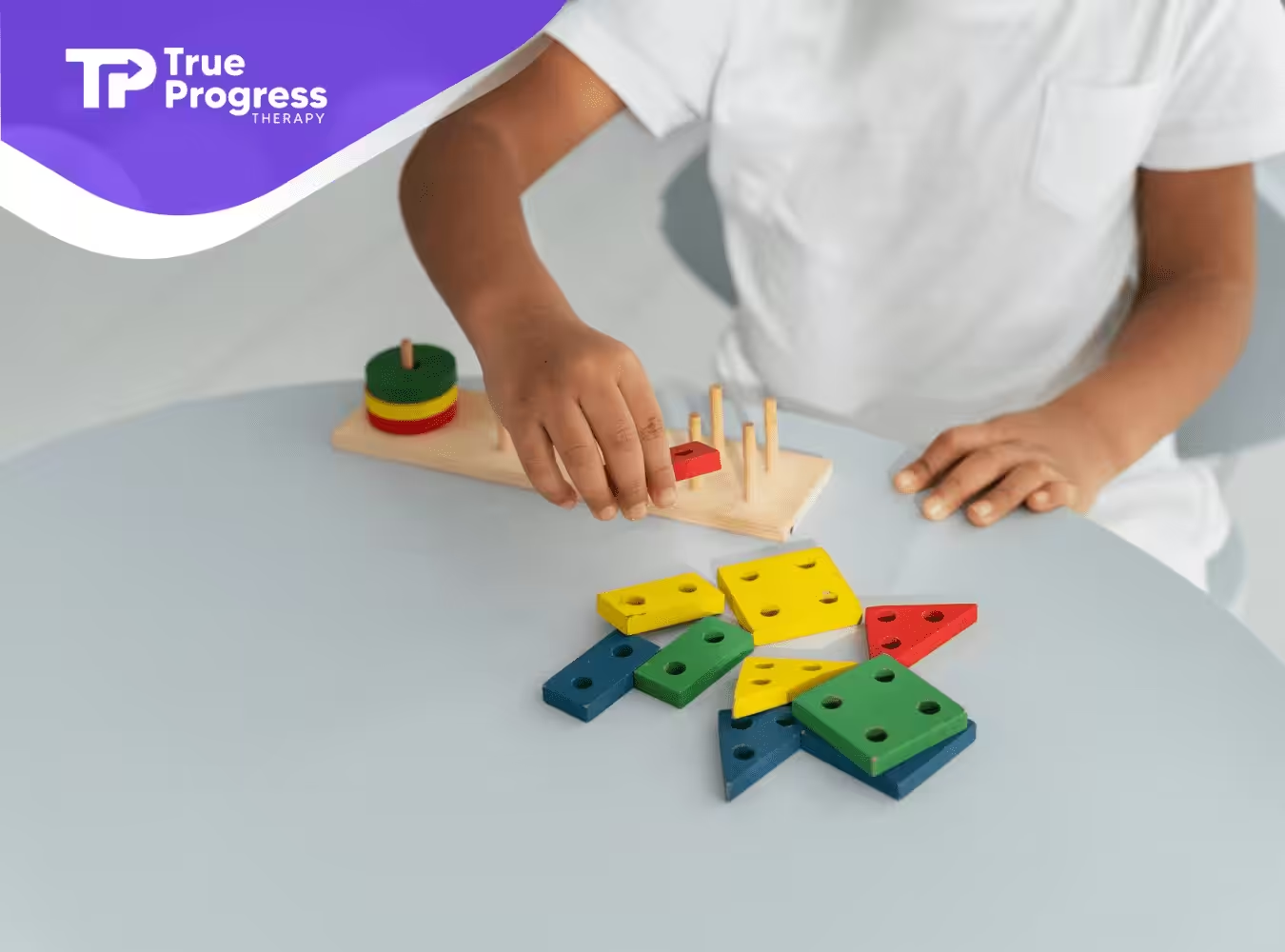
Autism Spectrum Disorder (ASD) is a neurodevelopmental condition characterized by challenges in communication, social interactions, and behavior. However, one aspect that often gets overlooked in autism discussions is emotional processing, particularly in relation to a condition known as alexithymia. This article will explore the connection between alexithymia and autism, its impact on emotional regulation, and how to support individuals experiencing both.
What is Alexithymia?
Alexithymia is a term that describes the difficulty in identifying, understanding, and expressing emotions. Individuals with alexithymia often struggle to label their feelings, which can lead to challenges in processing and managing emotions. It’s not a formal mental health diagnosis, but rather a set of emotional processing difficulties that can exist independently or alongside other conditions.
While alexithymia can occur in anyone, studies have shown that it is more common among individuals with autism spectrum disorder (ASD). Research suggests that up to 50-60% of individuals with autism may also experience some form of alexithymia. This connection between autism and alexithymia is important to recognize, as it can profoundly affect the emotional well-being and social interactions of individuals with autism.
How Does Alexithymia Manifest in Autism?
The symptoms of alexithymia can look different depending on the individual, but in the context of autism, they often present as challenges in the following areas:
- Difficulty Identifying Emotions: People with alexithymia may struggle to recognize their own feelings or the emotional cues of others. This can lead to confusion in social situations, as they may not understand why they feel a certain way or what others might be feeling.
- Limited Emotional Expression: Individuals may have trouble expressing emotions verbally or through body language. This is particularly challenging for those with autism, as they often already face difficulties with social communication.
- Physical Symptoms of Emotional Discomfort: Without the ability to recognize or express emotions, individuals with both autism and alexithymia might experience emotional distress as physical symptoms such as headaches, stomach aches, or unexplained fatigue.
- Social Challenges: Because of the difficulty in reading emotions and expressing feelings, individuals may struggle with social interactions. This can lead to misunderstandings and difficulties in forming and maintaining relationships.
The Impact of Alexithymia on Individuals with Autism
When alexithymia co-occurs with autism, it can further complicate the difficulties that individuals already experience with social communication. Emotional awareness plays a crucial role in understanding social cues, building relationships, and managing emotional responses to various situations. Without the ability to identify and understand their own emotions, people with both autism and alexithymia may find it harder to navigate social settings or even express their needs to others.
Moreover, the emotional dysregulation that often accompanies autism can be exacerbated by alexithymia. When individuals are unable to label or comprehend their feelings, it can lead to heightened frustration, anxiety, and confusion. In turn, this can contribute to behaviors such as meltdowns or withdrawal, as they struggle to process and cope with their emotions.
Understanding the Link Between Autism and Alexithymia
While the exact cause of the connection between autism and alexithymia is still not fully understood, several theories aim to explain why individuals with autism are more likely to experience alexithymia.
- Impaired Theory of Mind: One theory suggests that the social communication difficulties inherent in autism, including challenges with understanding others’ emotions, may also extend to recognizing and processing their own feelings. This difficulty with “theory of mind” — the ability to attribute emotions and thoughts to oneself and others — could contribute to the development of alexithymia.
- Neurological Factors: Research has suggested that there may be specific brain differences in individuals with autism and alexithymia. These differences may affect how the brain processes emotions, leading to difficulty in identifying and expressing them.
- Sensory Sensitivities: Many individuals with autism experience heightened sensory sensitivities. These sensitivities might also make it harder to focus on emotional experiences, leading to a form of emotional numbing or detachment that is characteristic of alexithymia.
Supporting Individuals with Autism and Alexithymia
Although alexithymia can create additional challenges for individuals with autism, there are several strategies and interventions that can be used to support emotional understanding and expression:
- Developing Emotional Vocabulary: One of the most effective ways to help individuals with autism and alexithymia is to work on building their emotional vocabulary. This can involve teaching specific words for emotions, such as “happy,” “angry,” “frustrated,” or “excited.” Visual aids, such as emotion charts or social stories, can also help.
- Modeling and Reinforcing Emotional Expression: Parents and caregivers can model how to express emotions in a healthy way. By expressing their own feelings verbally and discussing emotional experiences, they provide a framework for individuals with autism and alexithymia to imitate.
- Mindfulness and Emotional Awareness Training: Mindfulness exercises, such as deep breathing or body scans, can help individuals tune into their physical sensations and emotions. These techniques can support emotional awareness by teaching individuals to notice and acknowledge their feelings before reacting.
- Creating a Safe Emotional Environment: It is important to create an emotionally safe space where individuals can feel comfortable expressing themselves without fear of judgment. Positive reinforcement for emotional expression, even if it’s a simple gesture or word, can encourage ongoing emotional development.
- Therapeutic Support: Occupational therapists, speech therapists, and behavioral therapists can play a key role in helping individuals with autism and alexithymia. Therapy can focus on social skills, emotional regulation, and communication techniques to improve emotional awareness.
- Social Stories and Role-Playing: Social stories and role-playing can help individuals with autism learn how to identify emotions in different scenarios. These tools provide concrete examples of how emotions might manifest in specific situations and teach appropriate responses.
- Visual and Sensory Tools: For individuals who are more sensitive to sensory stimuli, using visual aids (such as emotion cards or apps) can assist in communicating and identifying emotions. These tools help provide clarity when words may be difficult to express.
Conclusion
Alexithymia, when combined with autism, can create significant challenges in understanding and expressing emotions. However, with the right strategies and support, individuals can learn to improve their emotional awareness and expression. Building an emotional vocabulary, using mindfulness techniques, and working with therapeutic professionals are just a few ways to support individuals in managing these difficulties.
If you or a loved one is navigating autism and alexithymia, it’s essential to understand the complexities of these conditions and approach them with patience and care. By providing a structured, supportive environment and utilizing proven strategies, you can help individuals thrive and improve their emotional communication.
At True Progress Therapy, we specialize in supporting individuals with autism through personalized ABA therapy services. Our team is committed to creating tailored programs that address both the behavioral and emotional needs of individuals, ensuring that they receive comprehensive support in all aspects of their development.
Frequently Asked Questions
1. Can alexithymia be treated or overcome in individuals with autism?
While alexithymia itself may not be “cured,” it can be managed with appropriate therapeutic interventions. Emotional awareness training, social skills development, and communication support can significantly help individuals express and understand their feelings more effectively.
2. How can I help my child with autism if they struggle to express emotions?
You can support your child by using tools like emotion charts, role-playing, and social stories to teach them about emotions. It’s also important to model emotional expression and use positive reinforcement when they attempt to express their feelings.
3. Is alexithymia always associated with autism?
No, alexithymia can occur independently of autism. However, it is more commonly found in individuals with autism due to the overlapping challenges in emotional processing and social communication.
Sources:
- https://neurodivergentinsights.com/autism-and-alexithymia/
- https://www.nature.com/articles/s41398-025-03254-1
- https://iep.utm.edu/theomind/
- https://www.autismspeaks.org/sensory-issues
- https://www.timetimer.com/blogs/news/autistic-and-neurodivergent-friendly-mindfulness-practices
Related Posts
Understanding Autism and Epilepsy Comorbidity: Key Insights
Understanding Autism and Epilepsy Comorbidity Autism Spectrum Disorder (ASD) is a complex neurodevelopmental condition often accompanied by a variety of comorbidities that can influence both diagnosis and treatment. While conditions like Obsessive-Compulsive Disorder (OCD), Bipolar Disorder, Intelle
Read article
The Hardest Part of Raising a Child With Autism: Challenges and Insights
Raising a child is a journey filled with joy, growth, and unexpected moments. When a child is diagnosed with autism, that journey becomes more complex—often filled with unique challenges and emotional highs and lows. Parents may feel overwhelmed, isolated, or unsure of the future. But they also disc
Read article
The Evolution of Autism: Understanding its History and Development
The Evolution of Autism Autism spectrum disorder (ASD) is a complex developmental condition that affects individuals differently, often involving challenges in social interaction, communication, and behavior. While the term "autism" is now widely recognized, the understanding of this condition has e
Read article