

Autism Service Dogs: A Lifeline for Emotional Support and Daily Challenges
Key Highlights
- Autism service dogs play a crucial role in assisting individuals with autism spectrum disorder, offering emotional support and aiding daily activities.
- These specially trained assistance dogs provide deep pressure therapy, helping handle sensory overload and meltdowns effectively.
- Autism service dogs boost social interaction, improve communication skills, and foster independence for handlers.
- The comprehensive service dog training program includes basic obedience, specialized tasks, and socialization techniques.
- These dogs improve the overall quality of life for families by enhancing safety, reducing stress, and offering unconditional love.
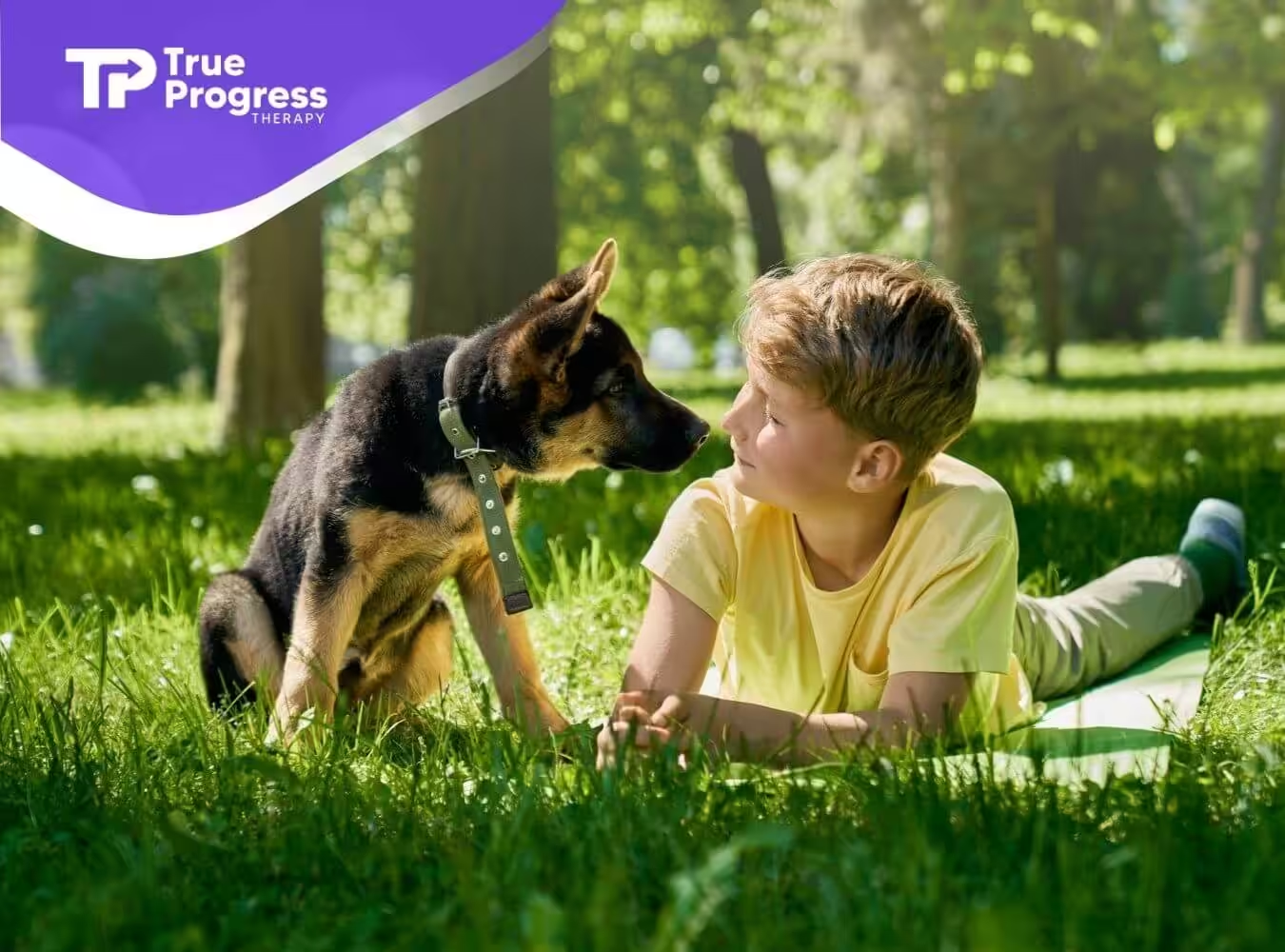
The presence of a well-trained autism service dog can make an immense difference in the lives of those on the spectrum. One family I worked with in in-home ABA therapy shared how their son’s service dog not only provided safety but also encouraged him to engage more with others, building confidence and social skills.
These dogs are specially trained to meet unique needs, making everyday life smoother and safer.
Understanding the Role of Autism Service Dogs
Service dogs for people with autism spectrum disorder are more than just pets. These canine companions are trained to help both children and adults with autism. They give steady support. The dogs help people feel calm when there is too much noise or light. They also help people with autism deal with hard social situations.
Key Functions of Service Dogs in Supporting Autistic Individuals
Autism service dogs give great help with daily activities, helping an autistic child or adult live and manage things easier. These trained dogs help with tasks like getting items or being with someone during tough sensory moments. They let their handler handle daily life with more comfort.
For an autistic child or adult, social interaction can feel hard. Service dogs help bring people together. They make it easier to start talking, both with the handler and with others around them. Since these dogs are always by their side, they help their handler build social skills and make real connections.
Also, these dogs give powerful emotional support. When there is sensory overload, their calm way and trained moves help lower anxiety and help the person feel safe. With their steady support both emotionally and in daily life, autism service dogs are partners that many people can count on every day.
Emotional and Physical Support Provided by Service Dogs
For people with autism, sensory overload can be tough and cause meltdowns. Autism service dogs help by giving deep pressure therapy. They use their body weight to make the person relax and feel safe when things get to be too much. This kind of help is good at bedtime or during other times that bring anxiety.
These dogs also help with repetitive behaviors that come from stress or agitation. If someone keeps repeating an action, the service dog steps in by nudging or pawing at the handler. This helps turn the handler’s focus away from these habits. Over time, it can bring peace of mind and help keep emotions in check.
Autism service dogs do much more, too. In busy stores or loud places, they are always by the person’s side. This calming presence helps them stay safe and secure. Service dogs help with sensory overload, offer real touch support, and give reassurance. Because of the dogs, many people notice an improvement in their emotional well-being and overall quality of life.
Benefits of Autism Service Dogs
Autism service dogs give important help to families living with autism spectrum disorder. They help make communication skills better, let people do daily tasks more easily, and make sure the person with autism is supported in hard situations. These dogs have a caring nature which can help with too much noise or movement, so the place feels calm.
These dogs also give safety and bring stress levels down for the family. They can help stop a child from running off and let parents have peace of mind when out in public. This help makes life better for people with autism and everyone in the family.
Enhancing Communication Skills
Interaction and talking to others can be hard for many people with autism, mainly if they have trouble with nonverbal communication. A service dog acts like a bridge. The dog helps make talking and connecting with other people easier. A child may learn to give easy commands to the dog, and this can help the child feel more sure when trying to talk to others.
These service dogs help people with autism use their voices or simple movements to tell others what they need. Many families say that having a service dog brings good changes in a person’s communication skills as time goes on. This does not just help when they talk with the dog, but also when they are with their friends or caregivers.
Because the service dog is always there as a friend, people with autism can get better at social skills and feel more sure about themselves when around others. Service dogs help break down things that stop people from growing or reaching out to others. They make it easier for people with autism to join in and connect in the world around them.
Fostering Independence and Confidence
For many people with autism, getting through daily life on their own can be hard. An autism service dog brings not just help, but real friendship, too. This can help a handler feel more sure and able to handle their day. The dog will do things such as guide someone and keep them safe when out and about. With their dog, people can do tasks with more trust in themselves.
These dogs also help kids with autism become braver when they do things on their own. A child who walks with a service dog instead of staying right by a parent learns to trust themselves a little more. That push towards independence helps a handler feel better about their own skills and self-worth.
Service dogs do more than help out — they are faithful friends. They help their handler feel strong and safe, even when things are new or scary. This support makes it easier for people with autism to try new things and grow in their daily life.
Improving Safety and Reducing Stress for Families
Safety is a big concern for families when caring for an autistic child. Service dogs help with this in a few ways. They stop the child from wandering away by using tethering methods. The dogs can also give quick help if the child tries to run off. This brings families peace of mind when they go out.
These dogs are not only there for safety. They give strong emotional support too. Their presence helps make things calmer at home, not just for the autistic child but for the whole family. Parents feel good knowing their child always has a loyal friend with them.
For families who feel tired from all the caregiving tasks, service dogs give them extra help. The dog can do some of the work, which allows everyone to take a little break. Things like shopping or going to the park get better because of the dog, and their child can enjoy the day while the dog helps with important tasks.
Comprehensive Training Process for Autism Service Dogs
Training an autism assistance dog takes time and care. The dog must learn obedience and handle specific tasks that help with the unique needs of a handler with autism. These service dogs train to do their jobs well, even when there are challenges like loud or busy places.
Basic Obedience and Specialized Skills Training
Obedience is at the heart of every service dog training program. It helps make sure the dog acts well and listens to commands from the handler. Autism service dogs start with learning basic obedience. They get commands like sit, stay, and come. This helps build clear ways for the handler to talk with the dog.
The next part is special skills training. This is when the dog learns how to help with things just for autistic handlers. Some dogs learn tasks like using pressure if the handler has a meltdown, or stopping the handler from doing repetitive behaviors. The dog gets skills picked to fit what the person needs most.
In the end, this training helps the dog to support daily life for the handler. The goal is for the dog to always be gentle, safe, and ready to help the handler during tough times.
Socialization and Sensory Processing Training Techniques
Service dogs need a lot of time for socialization so they can do well in many different places. These places can be crowded, noisy, or even a school. This helps the service dog stay calm and pay attention, even when there is a lot going on.
While in training, the dog gets used to how different people handle them. This is to get the service dog ready for all types of touches, especially from kids. The dog must let things like hugs or tail pulls happen, so the dog and people stay safe. This also means the dog will not do something unexpected.
The service dog also learns sensory processing techniques. This could be learning how to give deep pressure or staying calm when their handler has anxiety. Because of this, the service dog can do both helpful and caring jobs. These jobs are important for making the handler feel better and safer.
Conclusion
To sum up, a service dog can make a big change in the quality of life for people with autism and their families. These dogs are trained to help with feelings, support independence, and boost communication skills. All this can make everyday life better for people with autism. The training for these service dogs is thorough so they can handle many kinds of situations. This helps to make things safer and easier for everyone.
If you’re interested in how integrating autism service dogs with ABA therapy can transform your or your loved one’s life, True Progress Therapy is here to guide you.
Our expert team in New Jersey offers personalized ABA therapy services designed to work seamlessly alongside service dog support. Contact True Progress Therapy today for a free consultation and take the first step toward comprehensive care that truly makes a difference.
Frequently Asked Questions
What is the age requirement for a child to receive an autism service dog?
Usually, kids who are 5 years old or older can get an autism assistance dog. The age requirement is there so the child can interact in the right way with the dog. Families who want an autism assistance dog for their child should look at the program rules to see if their child fits the criteria.
How is training for autism service dogs different from training for other types of service dogs?
Training for autism service dogs teaches them to help with special needs, like sensory issues and giving comfort. These dogs learn deep-pressure skills to help people calm down. This type of training is not like the training other service dogs get. The main goal is for the autism dog to work closely with the handler and to know what to do when there is a meltdown or trouble with talking.
What tasks can autism service dogs perform to assist their handlers?
Autism service dogs help with many specific tasks. For example, they stop repetitive behaviors when they happen. They use deep pressure to help a person feel calm. These dogs also help people with the daily activities that can be hard for them. They be there for their handlers during sensory overloads. They also help people move around busy places and give emotional support in new or stressful situations. These dogs do a good job in making life better for people with autism.
Sources:
- https://www.autismspeaks.org/expert-opinion/service-dog-or-therapy-dog-autism
- https://www.servicedogtrainingschool.org/blog/deep-pressure-therapy
- https://www.guidedogsofamerica.org/autism-service-dogs/
- https://www.autism.org.uk/advice-and-guidance/professional-practice/what-is-an-autism-assistance-dog
- https://www.autismparentingmagazine.com/dogs-for-autism/
Related Posts

Autism Emotional Sensitivity: Understanding and Support
Key Highlights Emotional sensitivity in autism is often heightened and may cause intense reactions to everyday situations. Common signs include difficulty identifying feelings, emotional outbursts, or shutdowns. Emotional sensitivity can stem from neurological differences, sensory processing issues,
Read article
The Hidden Emotional Challenges of ABA Therapy for Autism (And How to Handle Them)
ABA therapy can be incredibly helpful for children with autism, but it’s not always easy emotionally—for kids or their families. Many parents don’t expect the ups and downs that can come with the process. Understanding these emotional challenges can make a big difference in how you support your chil
Read article
How Noise-Canceling Headphones for Autism Improve Daily Comfort
Understanding Noise-Canceling Headphones Noise-canceling, or calming headphones for autism have become an essential aid for many individuals on the spectrum, helping to manage sensory sensitivities and improve daily comfort. These specialized headphones use either electronic or physical methods to r
Read article