

Autism Toe Walking: Causes, Treatment, and Support
Key Highlights
- Toe walking is more common in children with autism compared to their peers.
- Causes may include sensory sensitivities, motor development challenges, or habit formation.
- Persistent toe walking can affect balance, posture, and long-term joint health.
- Treatment options include physical therapy, occupational therapy, ABA strategies, and medical interventions.
- Parents can support their child at home with stretching, structured activities, and consistent reinforcement.
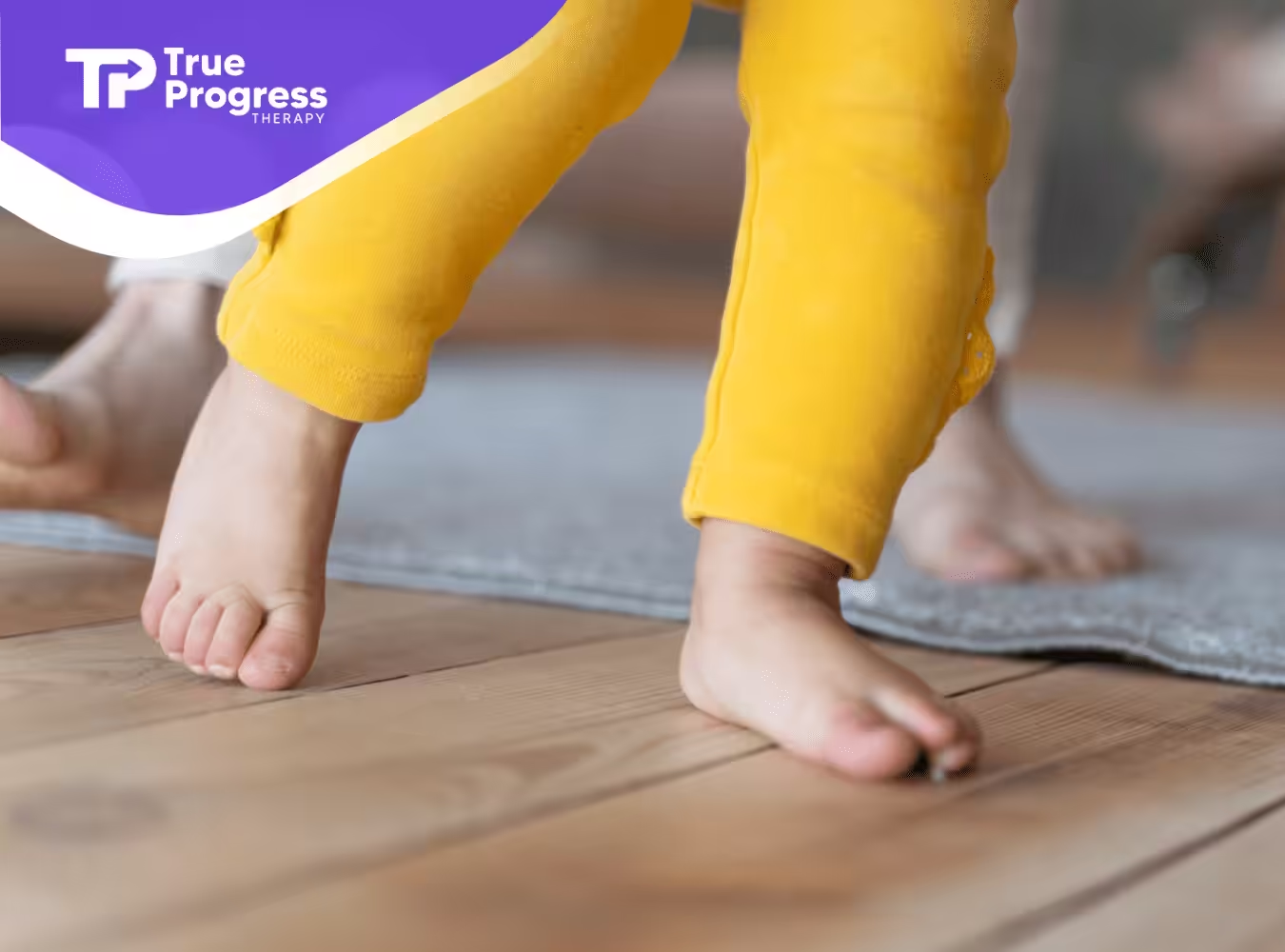
Toe walking—when a child walks primarily on the balls of their feet without their heels touching the ground—is common in toddlers who are just learning to walk. Most children outgrow it by age 3. However, for children with autism, toe walking often persists beyond the toddler years.
While it may seem harmless at first, autism toe walking can be linked to sensory processing differences, motor skill challenges, or behavioral habits. If left unaddressed, persistent toe walking can lead to muscle tightness, discomfort, and even long-term orthopedic issues.
This blog explores the causes of autism toe walking, why it happens, treatment options, and practical strategies to support your child.
Why Toe Walking Happens in Autism
Research shows that children with autism are more likely to toe walk than children without autism. Several factors may explain this tendency:
Possible Cause | Explanation |
|---|---|
Sensory Processing Differences | Some children may prefer the sensation of walking on toes to avoid heel contact with the ground. |
Motor Development Challenges | Autism may be linked with differences in muscle tone, coordination, or motor planning. |
Habitual Behavior | Repetitive behaviors, a common feature of autism, can make toe walking a self-reinforcing habit. |
Communication Difficulties | Children may struggle to express discomfort in shoes or on certain surfaces, resorting to toe walking as a response. |
Neurological Factors | In some cases, neurological differences in autism contribute to changes in gait and posture. |
Potential Risks of Persistent Toe Walking
Although occasional toe walking may not be harmful, long-term or habitual toe walking can create physical challenges:
- Tightness in calf muscles and Achilles tendons
- Poor balance and coordination
- Joint or foot pain over time
- Difficulty participating in sports or physical activities
- Social challenges (peers may notice unusual walking patterns)
Recognizing these risks highlights the importance of addressing toe walking early.
Treatment Options for Autism Toe Walking
1. Physical Therapy (PT)
Physical therapists use exercises and stretches to lengthen calf muscles, strengthen core stability, and promote heel-to-toe walking.
2. Occupational Therapy (OT)
Occupational therapy addresses sensory integration. For example, therapists may use textured mats, weighted shoes, or sensory play to make heel contact more comfortable.
3. ABA Therapy Strategies
ABA therapy (Applied Behavior Analysis) can support behavioral aspects of toe walking.
- Prompting and Reinforcement: Encouraging heel-to-toe walking with verbal cues and positive rewards.
- Task Analysis: Breaking walking into small, teachable steps.
- Generalization: Practicing walking across different settings, like home, school, and playgrounds.
4. Orthotics or Bracing
Some children benefit from ankle-foot orthotics (AFOs) or braces to promote correct gait patterns.
5. Medical Interventions
In severe cases, physicians may recommend:
- Casting: To gradually stretch the muscles and retrain walking patterns.
- Botox Injections: Used in rare cases to reduce muscle tightness.
- Surgery: Considered only if conservative methods fail.
At-Home Strategies for Parents
Parents can play a key role in reducing toe walking through daily practice and support.
- Daily Stretching: Gentle stretches for calves and Achilles tendons improve flexibility.
- Balance Games: Walking on uneven surfaces, standing on one leg, or doing yoga poses can strengthen muscles.
- Shoes with Firm Soles: Supportive footwear reduces the tendency to walk on toes.
- Visual and Verbal Cues: Reminders like “heels down” or using a mirror for feedback.
- Positive Reinforcement: Praise and small rewards when your child practices correct walking.
Consistency is key. Small improvements over time add up to long-term progress.
When to Seek Professional Help
It’s important to consult a professional if:
- Your child continues toe walking beyond age 3–4.
- Toe walking is constant rather than occasional.
- Your child experiences pain, stiffness, or limited ankle mobility.
- Toe walking interferes with daily activities or participation in play.
Early intervention can prevent long-term complications and make therapy more effective.
Long-Term Outlook
With the right interventions, most children with autism can improve their walking patterns and reduce toe walking over time. Early, consistent therapy—combined with family involvement—offers the best outcomes.
Final Thoughts
Autism toe walking is a common challenge that often stems from sensory differences, motor delays, or habitual patterns. While occasional toe walking may not cause harm, persistent toe walking can impact mobility and overall comfort. Fortunately, with therapies such as physical therapy, occupational therapy, and ABA strategies, children can make significant progress.
At True Progress Therapy, we specialize in creating personalized ABA programs that address challenges like toe walking while supporting overall growth, independence, and confidence. If your child struggles with autism toe walking, our team can help provide the guidance and strategies you need. Reach out today!
Frequently Asked Questions
1. Is toe walking always a sign of autism?
No. Many toddlers toe walk as they learn to walk. Persistent toe walking, especially when paired with other signs, may be more common in children with autism.
2. Will my child outgrow toe walking naturally?
Some children outgrow toe walking, but if it continues past age 3–4, professional evaluation is recommended.
3. Can toe walking cause long-term problems?
Yes. Persistent toe walking can lead to muscle tightness, joint issues, and balance difficulties if not addressed.
4. How can ABA therapy help with toe walking?
ABA uses reinforcement, prompts, and structured practice to encourage heel-to-toe walking, often in combination with physical or occupational therapy.
5. What should I do if my child refuses therapy?
Start small with fun activities, games, or rewards, and gradually build tolerance. A therapist can also guide you with strategies tailored to your child’s needs.
Sources:
- https://pmc.ncbi.nlm.nih.gov/articles/PMC6701446/
- https://www.sciencedirect.com/science/article/pii/S1750946724001326
- https://www.autismparentingmagazine.com/autism-toe-walking/
- https://pubmed.ncbi.nlm.nih.gov/28716514/
- https://online.regiscollege.edu/blog/task-analysis/
- https://www.autismspeaks.org/tool-kit-excerpt/helpful-strategies-promote-positive-behavior
Related Posts

Raising a Bilingual Autistic Child: Does a Second Language Cause Delays?
After years into working with bilingual families at True Progress Therapy, I can usually tell within the first few minutes of an intake whether a parent has already been told to drop a language. There is a specific kind of guilt in how they phrase it: "We stopped speaking Spanish at home, just to be
Read article
Helping Siblings Explain Autism to Their Own Friends
Nearly every family I work with underestimates how soon this conversation actually arrives. Parents tend to picture it as a middle school problem, something to prepare for eventually, once their child is old enough to really understand what autism means. A family in Lakewood figured the same thing,
Read article
What to Teach Your Autistic Child If They Get Separated From You in Public
A mother called me in a panic last summer. Her son had wandered off during a five-minute stop at a crowded farmers market, and those five minutes felt like an hour before a stranger walked him back by the hand. Nearly half of children with autism attempt to elope, or wander from a safe adult, […]
Read article