
Do Children with Autism Talk Differently? Understanding Speech Patterns in Autism

Children with autism often communicate in unique ways, and many do talk, though their speech may differ from that of neurotypical peers. These differences can include tone, rhythm, pitch, word choice, or how conversations are started and maintained.
Some autistic children speak with a flat or robotic tone, while others may have an unusually high-pitched voice or repeat certain phrases, a behavior known as echolalia. They might also speak in very formal language or focus conversations on specific interests. Social aspects of communication—like turn-taking or reading body language — can be especially challenging.
It’s important to remember that differences in speech do not reflect intelligence or potential. Many autistic children have strong vocabularies and a deep understanding of specific topics.
At True Progress Therapy, we help children build communication skills through individualized therapy plans. Whether your child is learning to speak, expanding vocabulary, or working on conversation skills, our team is here to support their growth in meaningful, respectful ways.
Speech differences are just one part of autism. With early support and the right strategies, children with autism can become confident communicators in their unique voices.
Frequently Asked Questions
1. Do autistic children speak differently from others?
Yes, they may have a unique tone, rhythm, or word usage.
2. What is echolalia?
Echolalia is the repetition of words or phrases, often heard from others or the media.
3. Is different speech a sign of low intelligence?
No. Many autistic children are highly intelligent, even if they speak differently.
4. Can autistic children learn typical conversation skills?
Yes, with support from therapies like speech and ABA.
Related Posts

Overcoming Speech Delays in Children with Autism: How ABA Therapy Helps
Speech delays are often a major concern for children with autism, and I’ve seen how challenging it can be for both the child and their family. Communication is at the heart of social interaction, learning, and emotional expression, so delays can affect a child’s ability to thrive in many areas of li
Read article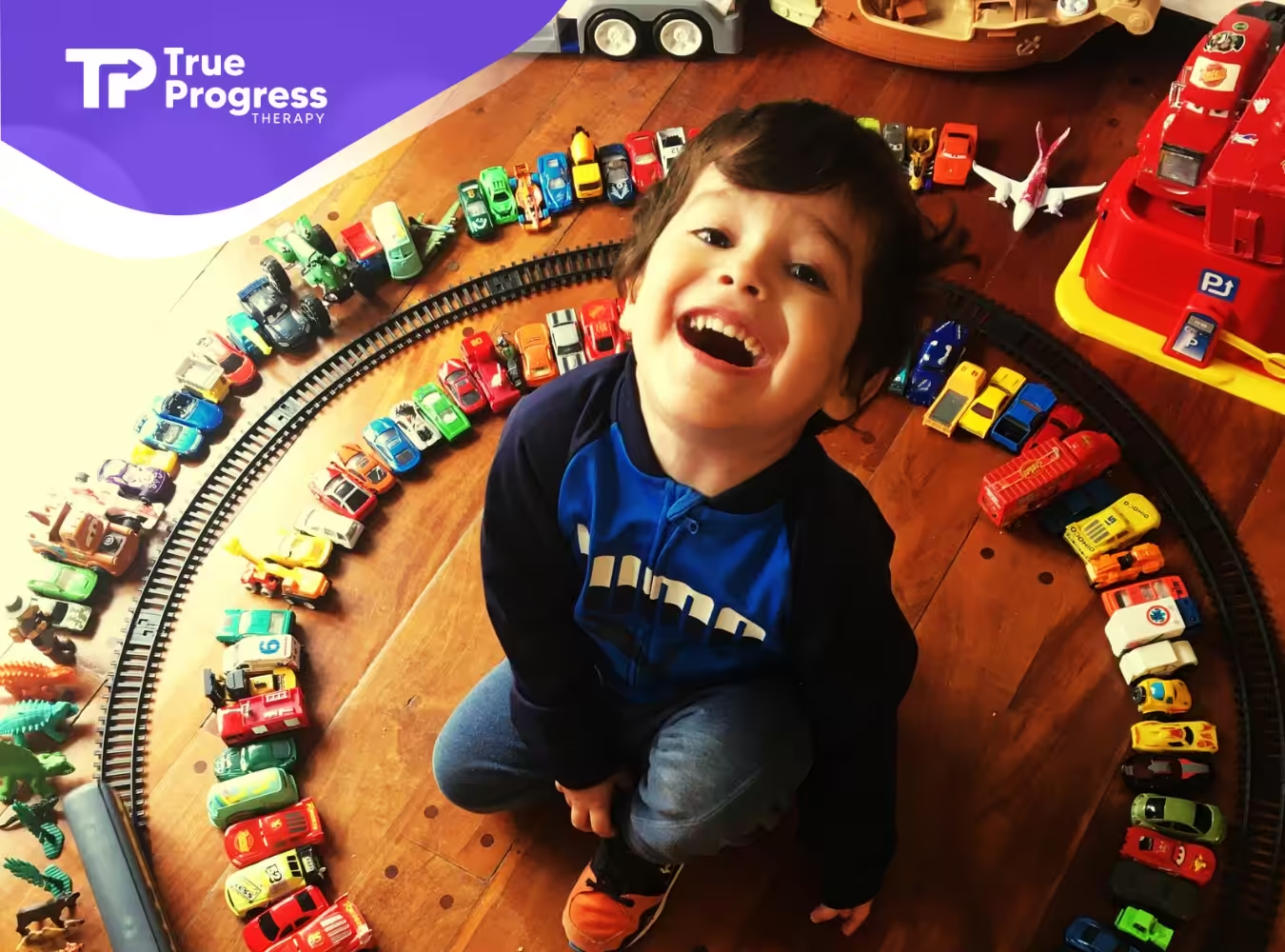
What Is Allistic? Understanding the Term
The term allistic refers to anyone who is not autistic. While “neurotypical” usually describes people without neurological differences, “allistic” is more specific—it simply means non-autistic, regardless of whether someone has another condition such as ADHD, dyslexia, or anxiety. This distinction m
Read article
Understanding Autism and Epilepsy Comorbidity: Key Insights
Understanding Autism and Epilepsy Comorbidity Autism Spectrum Disorder (ASD) is a complex neurodevelopmental condition often accompanied by a variety of comorbidities that can influence both diagnosis and treatment. While conditions like Obsessive-Compulsive Disorder (OCD), Bipolar Disorder, Intelle
Read article