

How to Explain Autism to Siblings: A Simple, Supportive Guide | True Progress Therapy
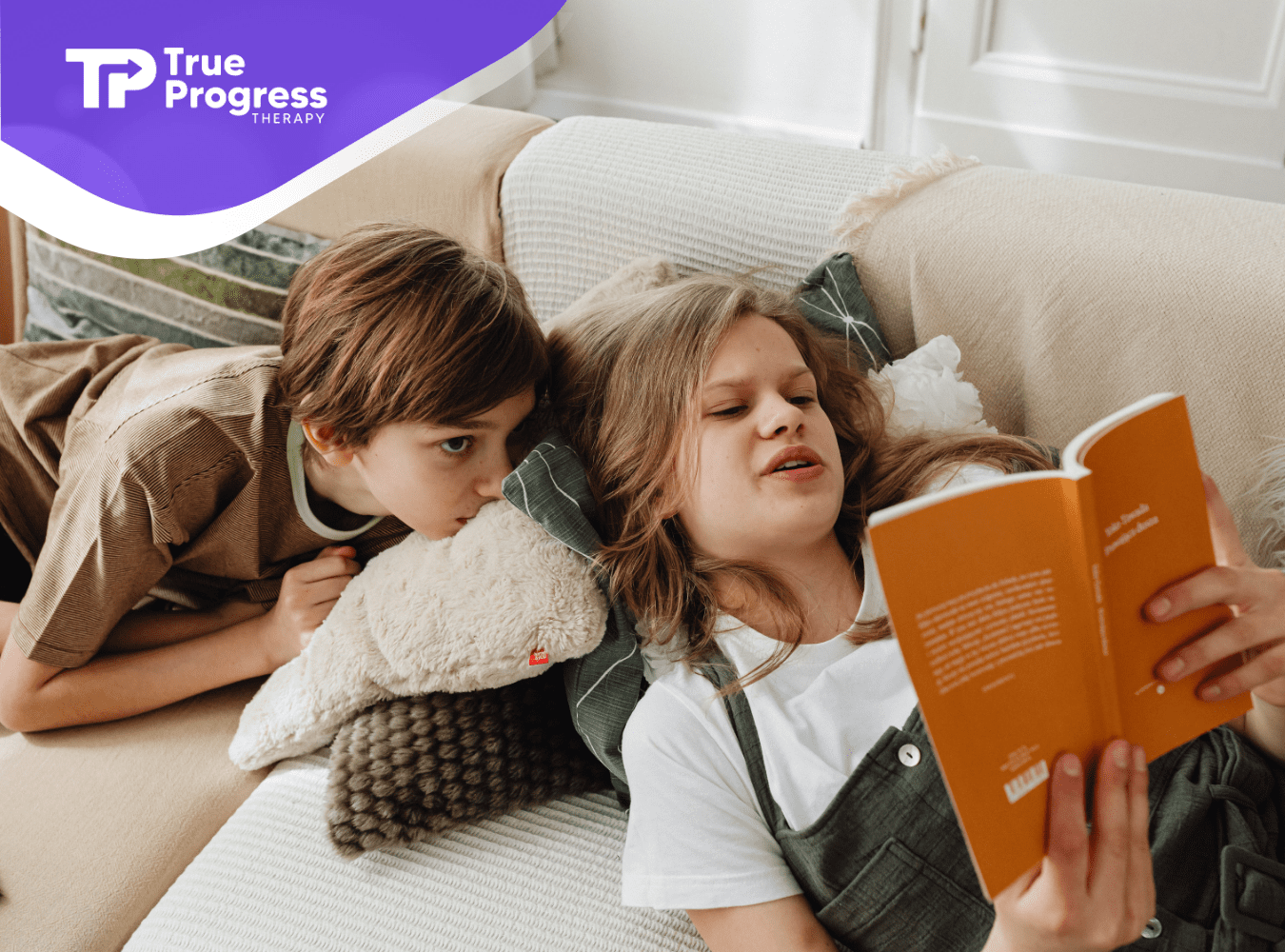
Explaining autism to siblings can feel challenging, but it is an important step in creating understanding, empathy, and a peaceful home environment. Children often notice differences before adults discuss them, so offering clear and age-appropriate information helps siblings feel informed rather than confused.
Start with simple language: explain that autism means their brother’s or sister’s brain works differently. They may communicate in unique ways, need extra help with certain tasks, or get overwhelmed by sounds, lights, or changes in routine. Reinforce that autism is not something scary—just a different way of experiencing the world.
It’s also important to address behaviors that siblings may see. Let them know that meltdowns or communication difficulties are not intentional and that patience and calm responses can help. Encourage siblings to ask questions and share their feelings, whether they feel worried, frustrated, or curious.
Helping siblings feel included strengthens the family dynamic. Teach them small ways to connect—like playing preferred activities, using simple communication strategies, or recognizing when their autistic sibling needs space.
At True Progress Therapy, we support families in building strong, compassionate relationships. Through guidance, training, and personalized strategies, we help siblings understand autism and grow together with empathy and confidence.
Frequently Asked Questions
1. When should I talk to siblings about autism?
It’s best to talk when they begin noticing differences or asking questions. Early, age-appropriate conversations help build understanding.
2. How do I explain autism in simple terms?
Use child-friendly examples like “Your brother’s brain works differently, so he learns and communicates in his own way.”
3. Should I discuss challenging behaviors?
Yes—gently. Explain that meltdowns or communication struggles are not intentional but part of how autism affects the brain.
4. How can I help siblings feel included?
Invite them to be part of routines, teach them how to communicate effectively, and give each child dedicated attention.
5. Can ABA therapy help siblings understand autism?
Yes. Therapists often guide families on communication, behavior strategies, and ways to support positive sibling interactions.
Related Posts

Raising a Bilingual Autistic Child: Does a Second Language Cause Delays?
After years into working with bilingual families at True Progress Therapy, I can usually tell within the first few minutes of an intake whether a parent has already been told to drop a language. There is a specific kind of guilt in how they phrase it: "We stopped speaking Spanish at home, just to be
Read article
Helping Siblings Explain Autism to Their Own Friends
Nearly every family I work with underestimates how soon this conversation actually arrives. Parents tend to picture it as a middle school problem, something to prepare for eventually, once their child is old enough to really understand what autism means. A family in Lakewood figured the same thing,
Read article
What to Teach Your Autistic Child If They Get Separated From You in Public
A mother called me in a panic last summer. Her son had wandered off during a five-minute stop at a crowded farmers market, and those five minutes felt like an hour before a stranger walked him back by the hand. Nearly half of children with autism attempt to elope, or wander from a safe adult, […]
Read article