

Should Kids with Autism Go to Public School? Weighing the Pros and Cons
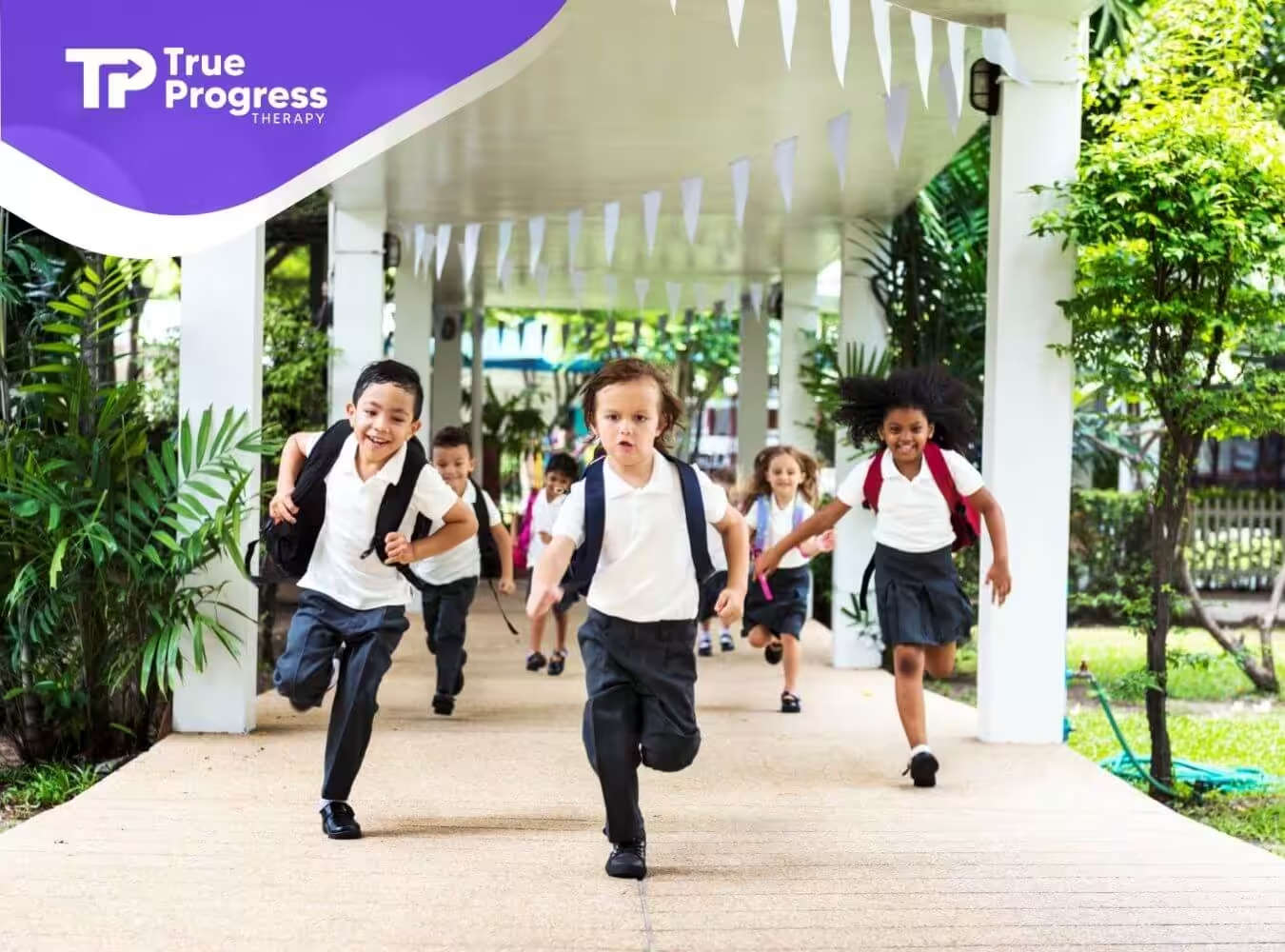
The decision of whether kids with autism should attend public school is a question that many parents face. There’s no one-size-fits-all answer, as every child is unique, and what works best for one child may not work for another.
However, understanding the pros and cons of public school for children with autism can help parents make an informed decision about what’s best for their child.
The Benefits of Public Schools for Kids with Autism
Public schools offer several advantages for children with autism, especially in terms of socialization and exposure to a variety of experiences. Some benefits include:
- Socialization: Public schools provide opportunities for children to interact with peers, which can be an important aspect of developing social skills. For many kids with autism, this exposure to different social situations can help them build friendships and improve communication skills.
- Access to Special Education Services: Public schools are required by law to provide accommodations and support for children with disabilities. This means that kids with autism can receive specialized services such as speech therapy, occupational therapy, and Applied Behavior Analysis (ABA) therapy, depending on their individual needs.
- Inclusion Opportunities: Many public schools have inclusive classrooms where children with disabilities are integrated with typically developing peers. Inclusion can offer a positive learning environment where children with autism can thrive academically and socially, with the right support in place.
Challenges of Public Schools for Kids with Autism
While there are benefits, there are also challenges that come with sending a child with autism to public school:
- Large Class Sizes: Public schools often have larger class sizes, which can make it difficult for children with autism to get the individualized attention they may need. This can lead to feeling overwhelmed or lost in the crowd.
- Behavioral and Social Struggles: Kids with autism may face difficulties with behavior, communication, and social interactions. In a public school setting, teachers may not always have the time or training to address these challenges effectively, which can lead to frustration for both the child and the educators.
- Sensory Overload: Public schools can be noisy and crowded, which can be overwhelming for children with sensory sensitivities. The sensory-rich environment of a public school can make it difficult for some children to focus and participate in class.
Alternatives to Public School
For some children, public school may not be the best fit. Alternatives to consider include:
- Specialized Schools: Some children with autism may thrive in specialized schools that cater specifically to their needs. These schools often offer smaller class sizes, specialized teachers, and a curriculum designed to support children with autism.
- Homeschooling: Homeschooling can offer a more individualized learning experience for children with autism, allowing parents to tailor lessons to their child’s strengths and needs. Homeschooling may also provide a more controlled environment, reducing the chances of sensory overload and behavioral challenges.
- In-home ABA Therapy: For some children, in-home ABA therapy might be a good alternative or complement to public school. It allows children to receive individualized support in a comfortable environment, focusing on communication, behavior, and social skills.
At True Progress Therapy, we understand the unique needs of children with autism and offer services designed to support their development, both at home and in the community. Our in-home ABA therapy can help children improve social, communication, and behavioral skills, providing a strong foundation for success, whether they attend public school or another setting.
If you’re considering the best educational options for your child, explore our ABA therapy services in New Jersey to see how we can support you.
FAQs
- Is public school a good option for children with autism?
Public school can be a great option for some children with autism, offering socialization, special education services, and inclusion opportunities. It depends on the individual needs of your child.
- What support do public schools offer for kids with autism?
Public schools are required to provide accommodations like speech therapy, occupational therapy, and individualized education plans (IEPs) to help children with autism succeed.
- What if my child struggles with the environment at public school?
If public school isn’t the right fit, consider alternatives like specialized schools, homeschooling, or in-home therapy. It’s important to find the right environment where your child can thrive.
Sources:
- https://www.autismparentingmagazine.com/best-educational-option
- https://pmc.ncbi.nlm.nih.gov/articles/PMC8531076/
- https://www.autism.org.uk/advice-and-guidance/topics/education
- https://www.autismspeaks.org/tool-kit-excerpt/autism-classroom-strategies
- https://www.cune.edu/news/understanding-special-education-focus-autism
Related Posts
Can ABA Therapy Replace School? Pros and Cons
If you are thinking can ABA Therapy replace school? You are not the only one with this question. Many parents of kids with Autism Spectrum Disorder want to know what is best for their children. ABA therapy, which is based on Applied Behavior Analysis, helps with a child’s learning and changes in the
Read article
The Benefits of SPELL Therapy for Autism You Should Know
SPELL therapy for autism has gained attention as a holistic method designed to empower individuals on the autism spectrum. Developed by the National Autistic Society in the UK, the SPELL Autism Framework outlines a structured, person-centered approach that promotes inclusion, independence, and well-
Read article
Should I Give My Autistic Child an iPad?
Yes, when used thoughtfully, an iPad can be a powerful tool for autistic children. Many apps support communication, learning, and emotional regulation. For nonverbal children, AAC (augmentative and alternative communication) apps allow them to express needs and feelings. Educational games also help
Read article