

Side Glancing and Autism: When to Be Concerned and When Not to Worry
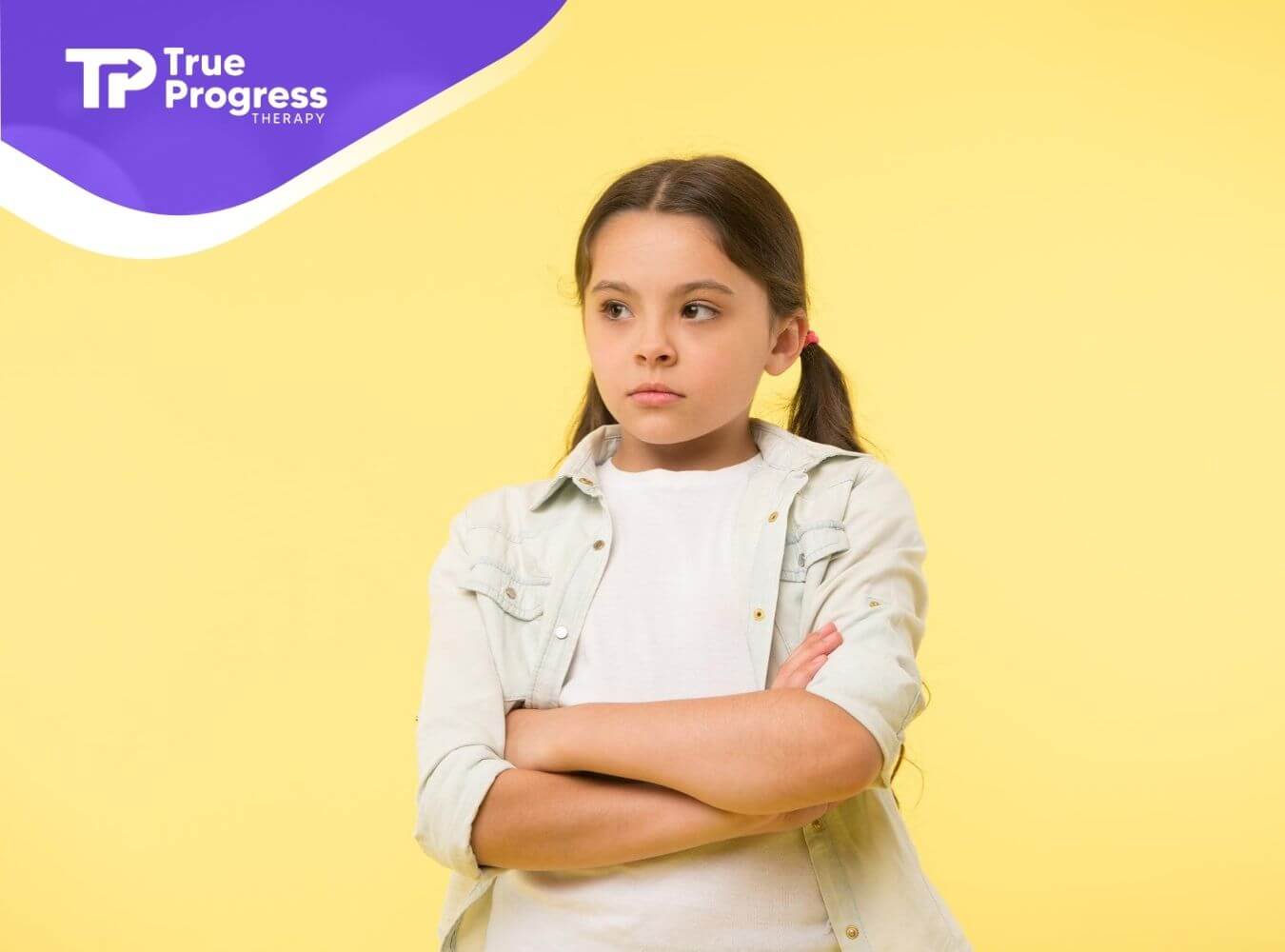
No. Side glancing by itself is not always autism. Many children and adults glance sideways for everyday reasons that have nothing to do with autism.
While side glancing can appear in autistic individuals, it’s only meaningful when viewed alongside other developmental patterns.
Understanding side glancing behavior
Side glancing is simply a way someone looks at their surroundings. It can happen for many reasons, and on its own, it doesn’t tell you much.
Children especially go through phases where they experiment with eye movements, facial expressions, and how they engage with people.
Common reasons side glancing is not autism
Side glancing may show up due to:
- Shyness or social discomfort
- Feeling overstimulated
- Focusing on something interesting
- Avoiding bright lights or noise
- Typical childhood development
These behaviors are often temporary and harmless.
When side glancing may be associated with autism
Autism is identified through patterns of behavior, not a single sign. Side glancing may be considered during an evaluation when it consistently appears alongside other traits.
These may include:
- Limited or inconsistent eye contact
- Delayed communication skills
- Difficulty with social interaction
- Repetitive behaviors
- Sensory sensitivities
A licensed professional looks at the full picture over time before making any diagnosis.
Why looking at the full picture is important
It’s easy to overanalyze one behavior, especially as a parent. But development is complex. Personality, culture, and environment all influence how a child interacts with others.
If you’re noticing several ongoing concerns—not just side glancing—it may be helpful to seek a professional opinion.
Support for your child and family
If you’re feeling unsure about your child’s development, support is available.
At True Progress Therapy, we provide compassionate, personalized ABA services across New Jersey. Our services include in-home ABA and parent training to help families feel confident and supported every step of the way.
Contact us today to learn how we can help your child grow and thrive.
FAQs
Is side glancing a sign of autism in young children?
Not on its own. Many children side glance during normal development.
When should I be concerned about eye contact?
Concern usually arises when limited eye contact happens consistently along with other developmental delays.
Can ABA therapy help with social skills?
Yes. ABA therapy supports communication and social development in a positive, individualized way.
Sources:
Related Posts
Why Functional Communication Training Is Important in ABA Therapy
There’s usually a reason behind behaviors like screaming, aggression, task refusal, or emotional outbursts, even when the reason isn’t immediately obvious. In clinical practice, I’ve found that many challenging behaviors happen when children don’t yet have the tools to communicate effectively during
Read article
Holiday Survival Guide for Autistic Children: Sensory-Friendly Tips for the Season
The holiday season can bring excitement, family traditions, and meaningful memories, but for many autistic children, it can also create significant stress. In practice, I often see children who usually manage daily routines well become overwhelmed during holiday gatherings, travel, school events, or
Read article
What is the Mildest Form of Autism?
The mildest form of autism is clinically referred to as Autism Spectrum Disorder Level 1. While support needs may be lower compared to other levels, intervention is still important. At True Progress Therapy, our comprehensive ABA services in New Jersey are designed to support children with Level 1 a
Read article