

Sociopath vs Autism: How They Differ and Relate
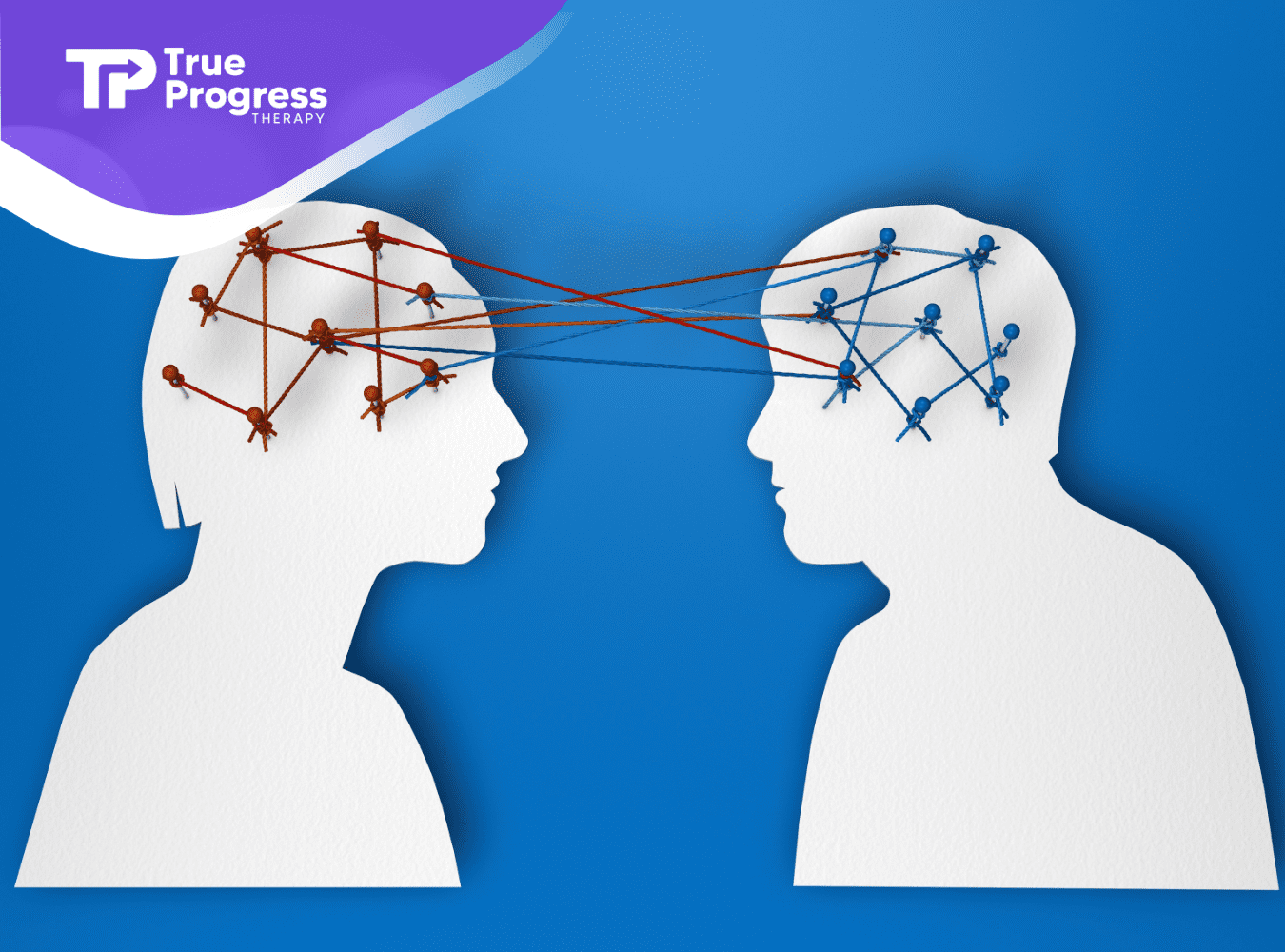
It's easy to get confused by the traits of sociopathy and Autism Spectrum Disorder (ASD). On the surface, challenges with social interaction can look similar, but their origins are worlds apart. Sociopathy is a personality-based condition, while autism is a neurodevelopmental disorder stemming from differences in brain development. Understanding the core distinctions is essential for providing the right support and fostering greater awareness. This guide will explore the unique characteristics of each, helping you differentiate between these two distinct conditions.
Defining Sociopathy and Autism Spectrum Disorder
Sociopathy, clinically known as antisocial personality disorder, is a mental health condition defined by a pattern of manipulating others and disregarding social norms. In contrast, autism is a neurodevelopmental condition, meaning it originates from differences in brain development. As a spectrum disorder, autism presents a wide variety of traits and support needs.
This fundamental difference in their nature is key to understanding them. A diagnosis for one involves assessing personality and behavior, while the other focuses on developmental history. Let's look closer at what defines each of these conditions.
What Is Sociopathy (Antisocial Personality Disorder)?
Sociopathy, formally diagnosed as Antisocial Personality Disorder (ASPD), is a personality disorder marked by a consistent pattern of antisocial behavior. This includes a disregard for the rights of others and the feelings of people around them. Individuals with this condition often violate social norms without a second thought.
A significant indicator of sociopathy is the presence of manipulative behaviors. Someone with sociopathy might use superficial charm to deceive others for personal benefit. This is often paired with a striking lack of remorse; they might harm others but feel no guilt for their actions.
This intentional manipulation is a key factor that helps distinguish it from other conditions. Other common traits include impulsivity, deceitfulness, and a general recklessness. While the term "sociopathy" is common, professionals use the clinical diagnosis of ASPD.
What Is Autism Spectrum Disorder (ASD)?
Autism Spectrum Disorder (ASD) is a neurodevelopmental disorder that affects how a person communicates and relates to the world. It is usually identified in early childhood and is a lifelong condition. Since it's a spectrum, every autistic person has a unique set of strengths and challenges.
The core characteristics of ASD include difficulties with social communication and interaction. You might notice an individual struggling to understand social cues or maintain eye contact. Another hallmark is the presence of restricted and repetitive behaviors, such as having intense interests in specific topics or needing predictable routines.
Many autistic individuals also experience sensory sensitivities, being over- or under-sensitive to light, sound, or touch. Unlike sociopathy, which is managed, autism is supported through therapies like speech and occupational therapy to help individuals build skills and navigate their challenges, improving their quality of life.
How Their Diagnostic Labels Differ
The diagnostic labels for sociopathy and autism are distinct because they are fundamentally different types of conditions. Sociopathy is categorized as a personality disorder in the Diagnostic and Statistical Manual of Mental Disorders (DSM-5), while autism is classified as a neurodevelopmental spectrum disorder.
For a diagnosis of antisocial personality disorder, a clinician looks for a history of conduct disorder before age 15 and a pervasive pattern of disregarding others' rights. The diagnostic criteria for autism, however, focus on persistent deficits in social communication and the presence of repetitive behaviors from the early developmental period.
Getting an accurate diagnosis is crucial because it dictates the entire approach to support and treatment. A thorough assessment by qualified mental health professionals, which considers a person's full history, is necessary to differentiate between them and ensure appropriate care is provided.
Core Behavioral Traits in Sociopathy vs Autism
When you examine the core behavioral patterns, the picture becomes clearer. While both sociopathic traits and the traits of autistic individuals can lead to challenges with social skills, the unique characteristics driving these behaviors are fundamentally different. You may wonder if certain behaviors are shared between the two groups.
Yes, some behaviors might appear similar, but their underlying causes are worlds apart. Exploring these behavioral patterns helps us move beyond surface-level observations. The following sections will break down the typical behaviors tied to sociopathy, the common traits in autism, and where they might seem to overlap.
Typical Characteristics of Sociopaths
Behaviors associated with sociopathy are rooted in a disregard for others and are often driven by personal gain. One of the most notable traits is a superficial charm. A person with sociopathy can appear charismatic and engaging, but this is often a mask used for manipulative behaviors.
They may lie, cheat, or exploit others without hesitation to get what they want. This is coupled with a profound lack of remorse, meaning they don't feel or understand the emotional impact of their antisocial behavior on their victims. The key difference from autism is intent; an autistic person's social misstep is unintentional, while a sociopath's actions are often calculated.
Common sociopathic characteristics include:
- A consistent pattern of violating the rights of others.
- Impulsivity and a failure to plan ahead.
- Aggressiveness and a history of physical fights.
- A lack of remorse after hurting or mistreating someone.
Common Traits Observed in Autism
The traits common in autism stem from its nature as a neurodevelopmental condition. One of the core features is the presence of repetitive behaviors. This can manifest as repeating certain words, having a strict adherence to routines, or engaging in repetitive physical movements that can be calming.
Many autistic people also have differences in sensory processing. They might be highly sensitive to noises, lights, or textures, which can be overwhelming. They also often have very specific or intense interests, which they are incredibly passionate and knowledgeable about. These communication difficulties, combined with social interaction challenges, shape their experience of the world.
Common traits include:
- Challenges with social-emotional reciprocity, like back-and-forth conversation.
- Difficulties with nonverbal communication, such as reading body language.
- Highly restricted, fixated interests that are abnormal in intensity.
- Hyper- or hypo-reactivity to sensory input.
Overlapping and Contrasting Behaviors
At first glance, some behaviors can make sociopathy and autism seem similar. Both groups can struggle with social norms and find it hard to build and maintain healthy relationships. For example, both an autistic person and a sociopath might fail to respond appropriately to social cues, leading to awkward or difficult interactions.
However, the reason behind this shared difficulty is the critical difference. An autistic person may not pick up on the cues due to challenges with social processing. A sociopath might ignore the cues because they don't care about them or may even use their understanding of social cues to manipulate a situation. This is not a true lack of empathy in the same way.
Their unique needs for support are therefore completely different. Improving social skills is a focus for both, but the goals for social functioning and emotional regulation vary. For autistic individuals, it's about building genuine connections, while for sociopaths, therapy may focus on managing harmful behaviors.
Social Interaction and Communication Differences
The way people engage in social interaction and communication offers major clues as to whether their challenges stem from sociopathy or autism. How can you tell the difference? It often comes down to their ability to read social cues and their use of nonverbal communication like body language.
A sociopath might be a master of faking interest, while an autistic person may struggle with speech or eye contact despite being deeply engaged. The following sections will explore how sociopaths relate to others, the social communication challenges in autism, and the key signs that help distinguish the two in social settings.
Sociopathic Patterns in Social Settings
When it comes to social interaction, a sociopath's interpersonal skills can be deceiving. They often display a superficial charm that draws people into social situations. This charisma is not a sign of a genuine desire for connection but is frequently a tool used for manipulation and personal gain.
Beneath this charming exterior, however, lie manipulative tendencies. Sociopaths view relationships as transactional and are skilled at exploiting others. They may use flattery, lies, and intimidation to control people and situations, often disregarding social norms in the process. This approach to social life is a key indicator that can help you distinguish sociopathy from autism.
The most significant aspect of their social relating is a fundamental lack of emotional connection. They may go through the motions of a relationship, but they do not form deep, genuine bonds. Their connections are shallow and are often discarded once they are no longer useful.
Social Communication Styles in Autism
Autistic individuals often experience a range of social communication difficulties that are present from early childhood. These challenges are not due to a lack of desire to connect, but rather differences in how their brains process social information. They might struggle with the back-and-forth of conversation or find it hard to start or maintain a discussion.
One of the most common social difficulties is interpreting nonverbal cues. Things like facial expressions, tone of voice, and body language can be confusing, making it difficult to understand the full context of a conversation. This is very different from a sociopath, who might understand these cues but ignore or exploit them.
The emotional response of an autistic person is genuine, even if their expression of it is atypical. This is why supports like speech therapy can be so beneficial. Therapies can help them learn to recognize social cues and develop strategies for more effective communication, allowing them to build the meaningful connections they often desire.
Signs That Help Distinguish Sociopathy From Autism
In social situations, observing the "why" behind a behavior is critical for distinguishing sociopathy from autism. While both may appear to break social rules, their motivations for rule following are entirely different. This is a key sign for parents and others to watch for.
A child with sociopathic traits might break rules purposefully to test boundaries or for personal amusement. An autistic child, on the other hand, may not understand an unwritten social rule or might be overwhelmed by sensory input, leading to a meltdown. Their difficulty with social cues is a matter of processing, not malice. Understanding the developmental history is vital for providing appropriate support like social skills training.
Key distinguishing signs include:
- Intent: Is the behavior manipulative (sociopathy) or a result of confusion (autism)?
- Empathy: Does the person show remorse after hurting someone (more likely in autism)?
- Charm: Is it turned on and off to get something (sociopathy)?
- Friendships: Does the person use "friends" as tools (sociopathy), or do they value them (autism)?
- Eye Contact: Is it avoided due to discomfort (autism) or used to manipulate (sociopathy)?
Empathy, Emotions, and Moral Understanding
The areas of empathy, emotional processing, and moral understanding are where the differences between sociopathy and autism become most apparent. These internal experiences heavily influence a person's behavior and mental health. Do both conditions involve a lack of empathy in the same way? The simple answer is no.
While both groups can appear to lack empathy, the underlying emotional experience is radically different. The following sections will compare cognitive empathy and affective empathy in sociopaths and autistic individuals, explore their distinct methods of emotional processing, and discuss their approaches to morality and rule following.
Empathy in Sociopathy Compared to Autism
The concept of empathy is not the same in sociopathy and autism. In sociopathy, a lack of empathy is a core feature. These individuals generally do not feel the emotions of others (a lack of affective empathy) and have little concern for their well-being or the rights of others. This allows them to act in harmful ways without guilt.
This is fundamentally different from the experience of an autistic person. Many autistic individuals feel empathy very deeply—sometimes even more intensely than others. The challenge for them is often in "cognitive empathy," which is the ability to understand and identify what someone else is feeling based on social norms or cues.
So, while a sociopath lacks the emotional connection to care, an autistic person may care deeply but struggle to show it conventionally. Their difficulty lies in expression and interpretation, not a genuine lack of empathy. This is one of the most misunderstood yet crucial distinctions between the two.
Emotional Processing Differences
Emotional responses and processing are starkly different in sociopathy versus autism, partly due to differences in brain structure. For sociopaths, emotions are often shallow. They may mimic feelings like sadness or joy to manipulate others according to social norms, but they don't experience the same emotional depth. Their emotional processing is geared toward achieving their own goals.
In contrast, autistic individuals often experience emotions very intensely. As a developmental disorder, autism can involve challenges with emotional regulation linked to sensory sensitivities; a loud room can cause emotional distress. A behavior analysis might show they have trouble identifying and managing their feelings, leading to shutdowns when they become overwhelmed.
Their emotional responses are genuine, but the expression can be atypical, which can impact their quality of life. An autistic person might laugh when nervous or seem flat when they are actually feeling a lot. This is a processing difference, not a sign of insincerity.
Morality and Rule Following
When it comes to morality and rule following, the motivations behind actions reveal a significant divide. A person with sociopathy often has little regard for societal norms or rules, viewing them as obstacles to personal gain. They may break rules intentionally, without remorse, if it benefits them.
Autistic individuals, on the other hand, often have a strong sense of justice and a preference for clear, consistent rules. They may struggle with unwritten social rules that seem illogical or arbitrary, but they typically adhere strictly to rules they understand and see as fair. Their actions are not driven by a desire to exploit or harm.
This difference in morality is critical. A sociopath's disregard for rules is tied to a lack of concern for others, while an autistic person's difficulty with rules often comes from a place of confusion or a desire for logical consistency. Mistaking one for the other can lead to deeply unfair judgments.
Causes, Development, and Risk Factors
The origins of sociopathy and autism are fundamentally different, involving a mix of genetic factors and environmental influences. Understanding these underlying causes is key to grasping why these conditions manifest so differently. Sociopathy is often linked to factors like childhood trauma, while autism is primarily a neurodevelopmental condition.
Exploring these distinct paths of development helps clarify why one is considered a personality disorder and the other a neurodevelopmental one. We will examine the genetic and environmental contributions to each and explain how their origins shape their different classifications in mental health.
Genetic and Environmental Contributions
The underlying causes of sociopathy and autism are distinct. Sociopathy, or ASPD, is primarily influenced by environmental factors, especially adverse childhood experiences such as trauma, neglect, or abuse. While there may be genetic predispositions, harmful environmental influences play a significant role.
In contrast, autism has a stronger genetic and neurobiological basis. It is considered a developmental condition with strong genetic links that affect brain development, though environmental factors like prenatal exposures can also contribute. Research indicates that the combination of these factors leads to the core traits of autism.
Understanding these different origins is crucial. For sociopathy, the focus is often on psychological and environmental triggers like childhood trauma. For autism, the focus is on neurodevelopmental differences that have been present from a very early age. This distinction helps guide research and support strategies for each condition.
Neurodevelopmental vs Personality Disorder Origins
The classification of autism as a neurodevelopmental disorder and sociopathy as a personality disorder points to their different origins. A neurodevelopmental disorder like autism stems from differences in how the brain develops and functions, with signs typically present in early childhood. It affects cognitive, sensory, and social processing from the beginning.
Antisocial personality disorder, on the other hand, is a psychological condition defined by a long-term pattern of behavior. While it requires evidence of conduct disorder in childhood for diagnosis, the full personality disorder is diagnosed in adulthood. Its development is often linked to a combination of genetic and environmental factors, including trauma.
Examining the developmental history is key. Autism is a lifelong developmental disorder that shapes how a person experiences the world from birth. ASPD is a pattern of behavior and thought that solidifies over time, often in response to external influences, leading to its classification as a personality disorder.
Diagnosis and Misdiagnosis: Understanding the Challenges
Getting an accurate diagnosis is critical, as the support for sociopathy and autism are completely different. Clinicians use specific diagnostic criteria and detailed behavior analysis to distinguish between them. This careful process helps avoid the significant risk of misdiagnosis.
So, can autism be misdiagnosed as sociopathy, or vice versa? It can happen, especially if an evaluation isn't thorough. The following sections will detail the diagnostic criteria for each, explain the risks associated with an improper diagnosis, and highlight what clinicians look for to ensure a proper diagnosis.
Key Symptoms and Diagnostic Criteria for Each
The diagnostic criteria for sociopathy (ASPD) and autism (ASD) are outlined in the DSM-5. For an ASPD diagnosis, a person must be at least 18, show a history of conduct disorder before 15, and exhibit a pervasive pattern of antisocial behavior. This includes traits like deceitfulness and lack of remorse.
For ASD, the criteria focus on persistent deficits in social communication and the presence of restricted, repetitive behaviors. These symptoms must be present in the early developmental period. A key difference is the focus on lifelong developmental history for autism versus a pattern of antisocial acts for sociopathy.
This table highlights some key differences in their diagnostic criteria:
Diagnostic Area | Sociopathy (ASPD) | Autism (ASD) |
|---|---|---|
Core Feature | Pervasive disregard for and violation of the rights of others. | Persistent deficits in social communication and social interaction across multiple contexts. |
Key Behaviors | Deceitfulness, impulsivity, irritability, lack of remorse. | Restricted, repetitive patterns of behavior, interests, or activities; sensory sensitivities. |
Onset | Evidence of conduct disorder before age 15; diagnosis at 18+. | Symptoms must be present in the early developmental period. |
Empathy | Lack of empathy and inability to feel remorse or guilt. | Can have strong empathy but struggles with expressing it or understanding others' perspectives. |
Risks and Consequences of Misdiagnosis
Yes, a misdiagnosis between sociopathy and autism can occur, and the risks are significant. This is most likely when an assessment is superficial, focusing only on observable behaviors without exploring the underlying reasons. For example, an autistic person's difficulty with social rules could be misinterpreted as the defiance seen in conduct disorder.
An accurate diagnosis is vital because the treatment paths are completely different. A misdiagnosis of sociopathy for an autistic individual could lead to punitive measures instead of the appropriate support and therapies they need, which negatively impacts their quality of life. Conversely, mislabeling sociopathic behavior as an autism symptom means the serious risks of manipulation are not properly addressed.
Obtaining a proper diagnosis often requires a multidisciplinary team that can assess developmental history, social communication, and emotional responses in depth. This comprehensive approach is the best way to distinguish between these two very different conditions and ensure a person receives the correct support.
Approaches to Treatment and Support
The approaches to treatment and support for sociopathy and autism are tailored to their distinct needs and challenges. For autism, therapies like occupational therapy and ABA therapy focus on building skills and improving quality of life. For sociopathy, the focus is more on managing harmful behaviors.
These different support strategies reflect the different origins and core features of each condition. The following sections will explore the specific interventions for sociopathy, the various therapies available for autism, and how their overall treatment goals and outcomes compare.
Interventions for Sociopathy
Individuals diagnosed with antisocial personality disorder (ASPD) face significant challenges in managing their behaviors. While there is no cure, several therapeutic approaches aim to reduce harmful actions and improve social functioning. Cognitive Behavioral Therapy (CBT) is one of the most common treatments.
This type of therapy helps individuals recognize and change problematic thought patterns that lead to manipulative or impulsive actions. Through structured sessions, clients learn coping skills and better impulse control. The primary treatment goals are to manage symptoms and reduce criminal or harmful behaviors. Another approach, Mentalization-Based Therapy (MBT), encourages reflection on one's own and others' thoughts and feelings.
Community-led programs and social skills training are also vital. Though challenging, treatment can help individuals with ASPD manage their mental health, especially when combined with ongoing support and supervision. Behavior analysis is often used to understand and address specific actions.
Therapies and Support Strategies for Autism
For autism spectrum disorder (ASD), early and tailored interventions have proven highly effective. These therapies focus on enhancing social communication, reducing repetitive behaviors, and helping with sensory processing differences. Applied Behavior Analysis (ABA) therapy is a widely recognized intervention that uses reinforcement to encourage desirable behaviors.
Speech therapy concentrates on improving communication skills, helping individuals better understand and use language. Meanwhile, occupational therapy addresses sensory sensitivities and promotes daily living skills like dressing and grooming. It helps individuals manage the sensory challenges that often accompany ASD.
Social skills training teaches individuals how to interpret social cues, interact appropriately with peers, and develop relationships. Combined, these therapies support autistic individuals in building independence, communication, and social engagement, helping them lead more fulfilled lives.
Comparing Treatment Goals and Outcomes
The treatment goals for sociopathy and autism are fundamentally different due to their unique needs. For autism, the goal is to provide appropriate support that enhances skills, improves communication, and increases an individual's quality of life. It’s about helping them navigate the world on their own terms.
For sociopathy, the treatment goals are primarily centered on behavior management. The aim is to reduce harmful, impulsive, and criminal behaviors to protect both the individual and society. Therapy focuses on fostering better impulse control and understanding the consequences of one's actions.
Ultimately, the outcomes reflect these different goals. With the right support, an autistic person can thrive and lead a fulfilling life. For sociopathy, successful outcomes are measured by a reduction in harmful behaviors and improved social functioning, though the underlying personality traits often remain a lifelong challenge for their mental health.
Myths and Misconceptions About Sociopathy and Autism
Many myths and misconceptions surround both sociopathy and autism, often leading to harmful stereotypes. These misunderstandings can blur the lines between the two and prevent people from getting the support they need. One of the biggest myths revolves around so-called empathy deficits.
By debunking these common misconceptions, we can foster a more accurate and compassionate understanding of both conditions. The following sections will tackle myths about empathy and stereotypes about social skills, highlighting the importance of respecting neurodiversity.
Common Myth: Empathy Deficits
One of the most pervasive myths is that difficulty with social skills automatically equals a lack of empathy. This is simply not true, especially in the case of autism. The underlying reasons for social challenges are what matter.
A person with sociopathy typically has a genuine lack of affective empathy, meaning they don't feel what others feel and may use this to their personal gain. In contrast, an autistic person often has strong affective empathy but may struggle with cognitive empathy—the ability to intellectually understand what someone is thinking or feeling based on social cues.
Here are some key points to remember about empathy:
- A true lack of empathy is a core feature of sociopathy, not autism.
- Autistic people often feel empathy deeply but struggle to express it or read social cues.
- Difficulty with cognitive empathy is not the same as being uncaring.
Stereotypes Surrounding Social Skills
Stereotypes about social skills often cause confusion between sociopathic traits and the experiences of autistic individuals. One common stereotype is that anyone who is socially awkward or violates social norms must be uncaring or manipulative.
This fails to recognize the different reasons for these behaviors. A person with sociopathy may intentionally ignore or manipulate social norms for their own benefit, sometimes using charming but deceptive communication skills. Their social interactions are often a performance.
In contrast, autistic individuals may struggle with social skills because of differences in how they process information. They may not naturally pick up on unwritten rules or may find social interaction overwhelming. Their communication skills challenges stem from a neurodevelopmental difference, not a desire to deceive. Assuming all social difficulties come from the same place is a harmful oversimplification.
The Importance of Respecting Neurodiversity
Respecting neurodiversity means recognizing that brains can work in many different ways. It’s about moving away from the idea that there is only one "right" way to think, feel, or behave. This is especially important when discussing conditions like autism.
Understanding that autism is a part of natural human variation helps reduce stigma and ensures that autistic individuals receive support that honors their unique needs, rather than trying to force them to fit societal norms. It improves their mental health and overall quality of life.
While sociopathy is a personality disorder with harmful behaviors that need to be managed, confusing it with a neurodevelopmental condition like autism is damaging. Recognizing these differences allows us to approach each with the appropriate understanding and intervention, fostering a more inclusive and compassionate society.
Differentiating Sociopathy and Autism in Children
Distinguishing between the early signs of sociopathy and autism in early childhood can be challenging but is crucial for early intervention. The key often lies in observing a child's motivation during social interaction and tracking their developmental milestones.
Certain red flags can point toward one condition over the other, but a professional assessment is always necessary for an accurate diagnosis. The following sections will cover early warning signs to watch for, discuss important developmental milestones, and explain when it’s time to seek help from a professional.
Early Warning Signs to Watch For
For parents and clinicians, distinguishing between early signs in early childhood requires careful observation. One of the most important things to consider is the child's motivation. Is the challenging behavior an attempt to manipulate, or is it a reaction to being overwhelmed?
Autistic children may have meltdowns because they can't process their environment, not because they want to cause trouble. In contrast, early signs of conduct disorder, a precursor to sociopathy, often include intentional aggression and a deliberate destruction of property with a lack of remorse. A thorough developmental history is key to understanding these signs.
Here are some signs to consider:
- Does the child show genuine remorse after wrongdoing?
- Is there a pattern of cruelty, deceit, or intentional rule-breaking?
- Are social communication difficulties causing confusion and distress?
- Are there intense, specific interests that are a source of joy (common in autism)?
Developmental Milestones and Red Flags
Tracking developmental milestones is a critical part of identifying potential concerns in children. For autism, red flags often appear early and relate to social communication. A child might not respond to their name, may avoid eye contact, or show delays in language development that could require speech therapy.
These red flags are about developmental delays or differences, not malicious intent. An autistic child might struggle with social cues because their brain processes them differently. They may prefer to play alone because social interaction is confusing or overwhelming for them.
In contrast, red flags for conduct disorder (a precursor to sociopathy) involve intentional, harmful behaviors. This includes persistent lying, cruelty to animals, or a consistent disregard for the feelings of others. While an autistic child might accidentally hurt someone's feelings due to not understanding social cues, a child with conduct disorder may do so purposefully and show no remorse.
When to Seek a Professional Assessment
If you have concerns about your child's development or behavior, seeking a professional assessment is an important step. It's best to consult a professional if you notice persistent red flags in early childhood, whether they seem to point toward autism or conduct disorder.
A comprehensive evaluation by a multidisciplinary team—which may include a psychologist, developmental pediatrician, and other specialists—is the only way to get an accurate diagnosis. They will look at your child's developmental history, observe their behavior, and assess their social and communication skills.
Early and accurate diagnosis is key to better outcomes. It ensures that your child receives the right kind of support for their specific needs, which can make a significant difference in their long-term mental health and well-being. Don't hesitate to reach out for help if you're worried.
Can Someone Be Both Autistic and a Sociopath?
Yes, an individual can be both autistic and a sociopath, though this co-occurrence is considered relatively rare and requires a careful clinical diagnosis. Autism is a neurodevelopmental condition involving challenges in social interaction and communication, while sociopathy is a personality disorder characterized by impulsive, manipulative, and callous behaviors. Research suggests these conditions are distinct but can overlap in some traits, creating complex mental health challenges.
For example, an autistic person may have reduced cognitive empathy, which can sometimes resemble sociopathic traits. Correctly identifying this co-occurrence is vital for creating support strategies that address the unique needs of the individual, tackling both developmental and behavioral challenges. The following sections explore the implications of this dual diagnosis and the challenges it presents.
Possibility and Implications of Co-occurrence
The possibility of a co-occurrence of autism and sociopathy highlights the complexity of mental health. When these two distinct conditions exist in one person, it creates a very specific set of unique needs. An accurate diagnosis is the first and most critical step.
The implications of such a dual diagnosis are significant. The individual would experience the world through the lens of both a neurodevelopmental difference and a personality disorder. This could mean they have the sensory sensitivities and communication challenges of autism combined with the manipulative tendencies and lack of remorse associated with sociopathy.
This makes developing effective support strategies incredibly challenging. Interventions must be carefully tailored to address both sets of traits without making either worse. For example, social skills training would need to be approached differently than it would for someone with autism alone.
Challenges in Diagnosis and Support
Diagnosing a co-occurrence of autism and sociopathy is fraught with challenges. The overlapping traits, such as difficulties with social norms or appearing to lack empathy, can easily lead to a misdiagnosis. A clinician might attribute all behaviors to one condition, missing the other entirely.
This makes providing effective support extremely difficult. If the antisocial traits are not recognized, therapies designed for autism might be ineffective or even counterproductive. For example, teaching social skills could inadvertently provide a manipulative person with more tools to exploit others. The mental health implications of getting the diagnosis wrong are severe.
A comprehensive and expert assessment is essential to peel back the layers and understand the motivations behind different behaviors. Only with a correct dual diagnosis can a support plan be created that addresses both the developmental needs of autism and the behavioral management required for sociopathy.
Conclusion
In conclusion, understanding the distinctions and overlaps between sociopathy and autism is crucial for accurate diagnosis and appropriate support. Both conditions present unique challenges in behavior, social interactions, and emotional processing, making it essential to recognize their differences. By fostering awareness and debunking myths surrounding these disorders, we can promote a more inclusive society that respects neurodiversity. Whether it's recognizing early warning signs in children or exploring co-occurrence, informed discussions can lead to better outcomes for individuals affected by these conditions. If you have further questions or need guidance, don’t hesitate to reach out for assistance!
At True Progress Therapy, we understand that conversations about autism and other behavioral or personality conditions can be complex—and families deserve clarity rooted in compassion and science. Serving communities across New Jersey, our team helps parents navigate these differences by focusing on each child’s unique strengths, needs, and behaviors rather than labels or misconceptions. Through individualized ABA therapy, we support children in building communication, emotional regulation, and meaningful social connections. At True Progress Therapy, we provide guidance grounded in empathy and evidence, helping families better understand their child while fostering steady, confident growth.
FAQs
Are social difficulties in autism the same as those in sociopathy?
No, their social difficulties are different. In autism spectrum disorder, challenges in social interaction stem from difficulty processing social information. In antisocial personality disorder (sociopathy), social difficulties often arise from a disregard for others and using social skills to manipulate, rather than a lack of ability to understand them.
Can sociopathy be confused with autism?
Yes, confusion and misdiagnosis can occur if an evaluation is not thorough. A superficial look at social communication challenges might miss the key differences in diagnostic criteria. A proper diagnosis from a qualified professional is essential to distinguish this developmental disorder from a personality disorder and provide the right support.
Why is it important to recognize differences between sociopathy and autism?
Recognizing the key differences is crucial for providing appropriate support and avoiding stigma. Mistaking the neurodevelopmental disorder of autism for a personality disorder like sociopathy can lead to incorrect interventions, negatively impacting a person's mental health. An accurate diagnosis ensures individuals get the help they truly need.
–
Sources:
- https://www.psychiatry.org/patients-families/autism/what-is-autism-spectrum-disorder
- https://www.healthdirect.gov.au/antisocial-personality-disorder
- https://psycnet.apa.org/record/2006-05880-004
- https://www.autism.org.uk/advice-and-guidance/topics/about-autism/autism-and-communication
- https://www.autismspeaks.org/sensory-issues
- https://www.autismspeaks.org/speech-therapy
- https://www.autismspeaks.org/occupational-therapy
- https://www.psychiatry.org/psychiatrists/practice/dsm
- https://www.autism.org.uk/advice-and-guidance/topics/about-autism/focused-and-dedicated-interests
- https://www.apa.org/ptsd-guideline/patients-and-families/cognitive-behavioral
- https://www.annafreud.org/training/health-and-social-care/mentalization-based-treatments-mbt/mentalization-based-treatment-adults/about-mbt/
- https://www.autismspeaks.org/applied-behavior-analysis
Related Posts

What Is the First Line of Therapy for Autism?
When it comes to autism spectrum disorder (ASD), early and effective intervention is key. The first line of therapy most widely recommended is Applied Behavior Analysis (ABA). ABA therapy focuses on teaching practical skills, improving communication, and reducing behaviors that may interfere with da
Read article
What Is Borderline Autism in Adults?
Borderline autism in adults refers to individuals who show traits of Autism Spectrum Disorder (ASD) but may not meet the full diagnostic criteria. These adults often experience challenges in social communication, sensory sensitivities, or maintaining routines, yet their symptoms can appear subtle co
Read article
What Does It Mean to Be “On the Spectrum”?
Being “on the spectrum” refers to Autism Spectrum Disorder (ASD), a developmental condition that affects communication, behavior, and social interaction. The term “spectrum” highlights the wide range of experiences some individuals may need significant daily support, while others live independently
Read article