

Top 10 Engaging Activities for Autistic Teenagers

Autistic teenagers can face challenges because of the way they see and feel things, and how they talk to others. When you understand and support the different needs of people on the autism spectrum, you can help make their quality of life better. When teens join activities that are planned well, they can find what they like and work on skills such as social interaction and sensory processing. These activities, set up for what they like, also help them build motor skills and work on emotional regulation. If we focus on these creative and helpful activities, there can be good chances for autistic teens to grow and feel better in their day-to-day life.
Top 10 Engaging Activities for Autistic Teenagers
Helping autistic individuals find fun activities that match their likes gives them chances to build skills. Adding structured but enjoyable things to their daily routine can help grow creativity, physical health, and how they feel each day. There are sensory art projects that are fun, and group activities that boost social interaction. These can support their sensory needs and fit their skills. Let’s look at the top 10 activities made for autistic teenagers that are both therapeutic and fun. These can help with skill development, self-expression, and growth.
1. Sensory Art Projects (Painting, Clay Modeling, and Collage)
Taking part in sensory art projects like painting, working with clay, and making collages helps autistic teenagers find new ways to express themselves. These activities bring bright colors, different textures, and lots of materials to use. This gives a good chance for them to enjoy sensory input and grow their creativity. Not only do they learn artistic skills, but they also find that these projects help with emotional regulation. Creating art can give a calming focus, especially in stressful situations. Making art is also a great way to build communication skills and improve social interaction. When this is done with others, there is more sharing, and it’s easier to come up with new ideas as a group.
2. Cooking and Baking Simple Recipes
Getting autistic teens involved in cooking and baking helps them bring useful skills into their daily routine. Doing things like measuring or stirring helps to build motor and fine motor skills. At the same time, it lets them use their senses. This happens through the different textures, smells, and colors of the food.
For example, slicing fruit or working dough uses many senses and teaches a steady approach to each job. Recipes for cookies or bread give clear steps that help boost their cognitive abilities, such as attention and step-by-step learning.
Cooking lets teens use creativity. They can try out new ingredients and find what they like. This balance between using their hands and having quiet time helps with emotional regulation, as cooking can calm anxiety. To improve skill development, get teens to join in kitchen work. It helps them feel proud, grow more independent, and enjoy social interaction with family members in a laid-back setting.
3. Playing Musical Instruments or Participating in Music Therapy
Music therapy is a good way to help autistic teenagers with emotional regulation, language skills, and sensory input. When they learn musical instruments like the guitar or piano, they have a way to show their feelings. At the same time, this kind of music can help with their hearing and focus better.
Music has steady and repeating parts that make it great for therapy. It helps teens handle different feelings. For example, they can play loud music if they feel upset or softer music when they want to calm down. This way, they get to control their own sensory experience.
Being part of a group, like singing in a choir or playing music in a band, is a good way to build social connections. It lets them meet and talk with other people who share the same interests. Some teens also use apps like GarageBand, which provides a digital way to enjoy music and get their creativity going. If parents and caregivers add music therapy to their teens' daily routine, it can make a difference. It helps to boost their quality of life and opens new ways for creative self-expression.
4. Nature Walks and Outdoor Exploration
Nature-based outdoor activities give autistic teenagers sensory input in a calm setting. When they walk on rough trails or jump on logs, it helps their vestibular and proprioceptive systems. These are needed for sensory integration and for keeping balance.
Looking at bright plants, listening to birds, or smelling the ground helps with cognitive skills and helps them with sensory regulation. These types of activities relax them and also help with physical health, as they get to have regular exercise. Being outdoors and breathing fresh air may lower anxiety levels and lift emotional well-being.
Nature walks are great for finding new things and making good memories with family members. Spending time together outside helps to build family bonds and makes social interaction stronger. Doing fun things like collecting leaves or seeing wildlife makes this outdoor activity even better and supports the therapeutic side of spending time in nature.
5. Swimming and Water Play
Swimming is great for autistic teens because it gives many sensory and health benefits. The feel of water is soothing and makes a good kind of sensory play. It can also help their muscle tone and improve physical fitness. With planned swimming lessons, teens can work on their cardiovascular health, build core strength, and improve motor skills.
Playing in water without rules, like splashing, diving, or moving toys in the water, gives more sensory input and helps lower anxiety levels. It makes for a fun way to calm nerves and enjoy a relaxing time, which many people like.
Group swimming lets autistic teens pick up social cues by being with instructors or others like them in a safe place. The free feeling of moving in water helps with relaxation and allows for better self-expression. When parents adjust how hard water games are, they give their child an experience that boosts sensory integration, physical fitness, and self-confidence.
6. Board Games and Puzzles for Cognitive Skills
Board games and puzzles are excellent tools for improving cognitive skills, social interaction, and attention span. Games such as Snakes & Ladders or chess introduce autistic children to structured play in a safe and predictable environment.
Game Type | Benefits |
|---|---|
Simple Puzzles | Enhances problem-solving abilities, ensuring focused engagement. |
Memory Card Games | Refines remembering names, items, and symbols. |
Monopoly or Clue | Develops strategy and decision-making in group situations. |
These games foster cooperation with others, strengthening communication skills. Group play introduces the concept of turn-taking while simultaneously allowing teens to process rules, reinforcing order and patience in social situations.
For solo pursuits, tactile and visual puzzles like jigsaw pieces support problem-solving, helping teens build hand-eye coordination. It’s an enjoyable pastime with enhanced learning benefits.
7. Gardening and Plant Care
Gardening brings together sensory needs, repetitive behaviors, and calming activities for autistic individuals. When they touch soil, seeds, and tools, they use their sense of touch and movement. This helps meet both sensory and motor skill needs.
Autistic teens can learn patience by watering plants every day or watching how they grow over time. Doing tasks such as digging or weeding can seem repetitive, but these help calm the mind. Focusing on these steps can be good for those who need regular and steady activities.
Being part of a community garden helps with social interaction. Teens can meet other people who have similar interests. This can help them learn to work as a team and build communication skills. Gardening also lets teens show who they are by arranging flowers or vegetables as they like. It is a good way to spend time outside, feel happier, and support emotional well-being.
8. Role-Playing and Drama Games
Drama-based activities like role-playing games can help autistic individuals move through different social situations better. In these games, people act out real-life moments. They get to learn social cues, language skills, and how to show feelings in ways that people understand. For example, acting out things like how to order food at a place shows teens what to do, so they use good communication skills.
When teens take part in drama sessions, they get to practice what kind of response fits each time. The activities make them more sure of themselves. Role-play can also give them a creative outlet and let them tell stories. It helps them work on cognitive abilities like problem-solving as well.
Being part of drama groups can help autistic individuals connect with other people. They have the chance to work together on a performance. Teens in drama groups get better at looking at different situations and understanding what to do in each. These role-playing exercises build life skills and help them do well at communication in their daily lives.
9. Team Sports and Group Physical Activities
Team sports like soccer, swimming, or basketball help autistic teens the most with group activities. These physical activities help them build motor skills and support good physical health. They also teach them how to work together in a clear and guided way.
When autistic individuals play team sports, they get to be with others their age. This helps them practice social skills, like taking turns and sharing gear. Teamwork is very important, and these games can help with that. Working with a group and a coach helps teens go after group goals together. It lets everyone talk and show respect for each other.
Doing physical activities like these can also help teens manage how they feel. Games that use movement can lower anxiety levels. This helps autistic individuals focus on the good for their body and mind. If parents change the games to fit what their teens can do, kids will be more likely to have fun and learn important new things. This also supports emotional regulation and their physical health.
10. Creative Writing and Storytelling Activities
Creative writing gives autistic teens a way to let out their feelings and say what they think. Through writing, they get to work on language skills like making sentences, using new words, and finding better ways to show how they feel.
Telling stories helps them line up their thoughts and talk about things that happened in their lives. It can be nice to do this where they feel safe. When autistic individuals join group storytelling, they start to grow more social connections with other people. They learn to swap ideas and pick up skills about working with others.
When young people write in a journal or make up stories, they can try fun recreational activities whenever they want. Some teens like to use more technology, so there are apps that help them be creative with words. These tools can match their love for writing. Doing this kind of writing can help the be more creative, feel better in their day-to-day life, and open up when talking with us and other people.
Social Skills Building Activities for Autistic Teens
Teens on the autism spectrum can find social interaction hard at times. Because of this, it is important to help them grow their social skills. Group activities or planned games are a good way for them to work together and feel more sure of themselves. When you mix social interaction with recreational activities, like team sports or role-playing, it can help autistic teens become part of a group that fits their unique needs. Let’s look at some interactive group activities that help improve social skills in a fun and helpful way for everyone.
Group Games to Encourage Cooperation
Group games are a good way to help autistic individuals work together and build social connections. In these games, teens can learn to read what people say and the clues they show with their faces or hands. It also helps them get better at knowing what is happening in different social situations.
- Scenario Playing: Everyone pretends to be someone in a daily problem. They work together to find answers.
- Round Table Challenges: Each person shares their thoughts so the group can all agree on a plan.
- Object Relay Game: Taking turns as they pass objects teaches them how to wait and share with others.
Playing these group games lets teens enjoy being part of a team. It helps them learn to use things together and work well with others in both group and real-life situations.
Practicing Communication with Conversation Cards
Using conversation cards is a great way to build communication skills in autistic teenagers. These cards give a clear prompt, which helps the person take part in talks with more ease. When autistic teens use visual aids like these with their peers or family members, they get to practice how to spot social cues and what to say back. This helps with language growth, supports better social connections, and can lower their anxiety levels. It lets them share what they think or feel in a safe way. In all, conversation cards work well as a flexible tool to help people be better at communication in different settings.
Peer-Buddy Programs for Friendship Development
Peer-buddy programs give autistic teenagers a great way to form real social connections. In these programs, autistic individuals are matched with peers who have similar interests. This setup makes it easier for them to talk and get to know each other. People in these programs have a chance to work on their communication skills and learn about social cues in a friendly setting. It also helps them practice emotional regulation and gives them a safe place to join in, without the pressure of tough or stressful situations.
When autistic individuals take part in group activities through these programs, they can make friends and feel better about their lives. These friendly and open group activities help improve their quality of life and give them more good social experiences.
Activities for Developing Fine and Gross Motor Skills
Taking part in activities that help fine and gross motor skills can really help autistic teenagers grow and learn. When young people get involved in crafts where they have to cut, glue, or build things, they get a good chance to work on hand-eye coordination and get better at using their hands. Group activities, such as dance or yoga, are great for physical fitness and also help with balance and how well they can move.
On top of that, playful outdoor activities let young people move around freely and can help them build social skills. It gives them a chance to be with others in a relaxed place. These outdoor activities also support their sensory processing. Plus, joining in these group activities lets them feel proud and can raise their self-confidence.
Yoga and Mindfulness Sessions
Taking part in yoga and mindfulness sessions can really help the well-being of autistic teenagers. These activities use focused breathing and gentle movement to support emotional regulation. They also give a fun way to build up communication skills and social interaction in a quiet setting. When sensory experiences, such as the feel of a yoga mat or the sounds of nature, are used, people get strong sensory stimulation too. These sessions may help improve cognitive abilities and lower anxiety levels. This leads to a more comfortable life and helps make deeper social connections with others.
Dance and Movement Classes
Taking part in dance and movement classes gives autistic teenagers a good way to meet and talk with others. It helps them improve their physical fitness. These classes bring sensory stimulation using rhythm and movement. Teenagers can work on emotional regulation as they show themselves in a creative and fun way. When they learn different dance styles, they start to build motor skills and get better at their coordination. This fun way to move helps them make social connections with people who have similar interests. Dance is a safe space for them to show their feelings, lower anxiety levels, and build a better space for talking and understanding one another.
Crafts That Encourage Hand-Eye Coordination
Taking part in crafts that help with hand-eye coordination is a great way for autistic teenagers to work on their fine motor skills and be creative. Simple activities like threading beads, using paintbrushes, or putting together models ask you to pay close attention. These crafts can help boost your cognitive abilities and give you a feeling of pride when you finish them. You can use many kinds of materials and try different ways to make things, which are good for the senses and also bring people together for social interaction.
Working on crafts side by side makes it easier to talk with others and helps build real social connections. This teamwork helps to grow communication skills. In the end, doing these kinds of crafts is fun, helps with skill development, and supports emotional regulation in a relaxed place.
Technology-Based Engaging Activities
Using technology can help autistic teenagers in many ways. It can boost their cognitive skills and make learning fun at the same time. Educational computer games made for their unique needs help to build language skills and give them a safe place to solve problems without stress. Coding is a good way for beginners to grow their logical thinking and creativity. It also helps them make social connections by working together with others. Making digital art or animation is another great option. It lets them express themselves and gives a good sensory experience. This can help with emotional regulation and help them have a more comfortable life.
Educational Computer Games
Playing educational computer games is a fun way for autistic teenagers to build their cognitive skills. These games are made for people with unique needs. They are set up to match different learning styles and help with language skills. Players solve problems and face challenges in these games, which helps them use their minds in new ways.
When they move through the games' virtual spaces, they work on their motor skills. Doing well in these games gives them a sense of accomplishment and this can make them feel more confident. Many of the games are also about working together, so players get to make social connections. They have a chance to grow their communication skills in a calm place. All these things together help improve their quality of life.
Coding for Beginners
Getting into coding is a good way for autistic teenagers to build their thinking abilities. It lets them work with technology and learn at the same time. Programming gives an interactive setting where they can solve problems and show their creative side. This can be fun to do. Using coding platforms with visual aids and game-like parts helps young people work through the learning steps. This way of picking up new things is a fun way that helps with social interaction, too. It can also make them feel proud when they learn something and reach a goal. It meets their unique needs. In the end, coding can help them make new social connections and open up more chances for recreational activities.
Creating Digital Art or Animation
Exploring digital art and animation is a great way for autistic teenagers to express themselves and be creative. There are many software tools they can use to make bright pictures that match how they see things. When they do this, it can help them grow their cognitive skills and also bring them closer to others when they work together on projects. These activities give sensory stimulation with the use of colors and lively designs. They help teenagers learn more about digital art, while building up their confidence and communication skills. In the end, these things add to their quality of life and help them feel good about what they do.
Activities to Support Sensory Integration
Using sensory bins with different textures can be a great way for sensory play. It helps autistic teenagers try new things in a safe space. This kind of sensory experience helps with their fine motor skills and lets them meet their sensory needs. Calming things like bubble tubes and fidget toys also work well to help lower anxiety levels. They come in handy during a sensory overload. Jumping on a trampoline or using a swing can improve gross motor skills and provide a fun way to use up energy. These activities also help with emotional regulation.
Sensory Bins with Varied Textures
Sensory bins full of different textures are a fun and helpful way for autistic teenagers to learn. These activities help meet sensory needs by letting people use things like rice, sand, water beads, and fabric. It gets them to touch new things, use their hands, and be creative. Playing with all these different textures can improve fine motor skills and encourage social interaction. People share what they find and what they like, which helps them talk to each other as a group.
Sensory bins can also help with emotional regulation. They give autistic individuals a calm and focused place to express themselves. This hands-on play helps with skill development and makes life more comfortable for everyone involved.
Calming Activities like Bubble Tubes and Fidget Toys
Calming activities, such as bubble tubes and fidget toys, help autistic teenagers by giving them needed sensory experiences. These tools help with emotional regulation and can lower anxiety levels. Bubble tubes give strong visual stimulation and can make a calm space. This can help young people relax during stressful situations. Fidget toys help them focus and explore touch, which is important for different sensory needs. Using these calming activities supports sensory integration and helps develop motor skills as they use different textures. Adding these tools to daily life can help create a more comfortable life for young people. It also supports them in handling many social situations.
Trampoline or Swing Time
Taking part in trampoline time or swinging is a fun way for autistic teenagers to grow stronger and work on their motor skills. These things offer a good chance for sensory stimulation. People can feel different types of movement and speed on the trampoline or swing. For some, this movement can help calm them down. For others, it can make them feel happy and excited.
Swinging also helps with emotional regulation and is a good sensory experience for many. When teens swing or jump together, it helps them talk to other people and build their communication skills. Being with others gives them more chances for social interaction. Setting up regular time to use the trampoline or swing helps teens feel good. It is a simple way to meet their sensory needs while improving their emotional well-being.
Tips for Tailoring Activities to Individual Needs
It is very important to understand the unique needs of each autistic teenager. This helps to get them more involved in activities. You should start by finding out what they like and what their interests are. These things can help them join in and take part more. Be sure to keep in mind their sensory sensitivities. Try to make changes in the activity if needed so it does not become too much for them.
Set goals that are possible to reach. When they reach these small goals, they feel proud. It helps their confidence grow and gives them more reason to keep going. When you do things this way, the autistic teenager can build important skills. They can also learn to handle their feelings better. Over time, this helps them make social connections with other people in a good way. This way of thinking is good for emotional regulation, skill development, and helping them get along with their peers.
Understanding Personal Interests and Preferences
Finding out what autistic teenagers like and enjoy is important to connect with them. These interests can show what motivates them and make activities more fun. Caregivers can use informal checks or visual aids to learn what topics or tasks the teens like most. Making activities fit their interests can help them feel good about what they do. It also helps them build social skills because they can share what they enjoy with others. When you try things this way, it gives everyone a chance to connect and keeps the teen more interested. This also helps with better social skills and makes it easier for them to handle feelings, leading to better emotional regulation.
Adjusting Activities for Sensory Sensitivities
Recognizing and changing activities for the sensory needs of autistic teenagers can help them get more from what they do and enjoy it more. Making plans that fit their unique needs can lower stress and support better emotional regulation. When you use visual aids, set a clear structure, and add different sensory stimuli, you help them take part in social situations in a way that makes them feel comfortable. Making the surroundings calm also helps cut down on sensory overload. Giving breaks and letting them make choices lets autistic teens enjoy recreational activities and feel in control. This way, they can join in and have fun while knowing their needs are seen. This kind of careful planning makes a space where everyone can belong.
Setting Realistic Goals and Expectations
Setting goals that can be reached helps create a good place for autistic teenagers to grow. When you work on small goals one by one, it can make autistic individuals feel more sure of themselves and want to learn new things. This is important, especially when it comes to social situations and building strong communication skills. It is good to think about unique needs and what they like. This way, you can make activities enjoyable and not feel too much for them.
It is helpful to keep checking these goals from time to time. This lets you change things based on their progress and their sensory processing needs. Doing this can lower their anxiety levels and help them handle emotions better. When autistic individuals get this kind of support, they can have a more comfortable life. They will find it easier to move through their day and feel good about themselves.
Encouraging Independence Through Life Skills Activities
Helping autistic teenagers become more independent can really make their quality of life better. Doing daily tasks like simple chores at home helps them learn useful skills. It also makes practical learning easy and boosts their self-esteem. When they do self-care jobs like grooming and making meals, it helps improve their language skills. These are important life skills that support them in being independent.
When teens practice shopping and handling money, they start to take on more responsibility. This gives them chances for social interaction and helps build their confidence. All of these activities are enjoyable for them. They also help with emotional regulation and overall growth.
Basic Household Chores and Self-Care Tasks
Learning how to do basic household chores and take care of themselves helps autistic teenagers become more independent and feel better about themselves. When they start doing things like making the bed, putting away personal things, or making easy meals, they build important life skills. These daily activities help improve their motor skills and give them a feeling of pride and responsibility. When you support them in caring for themselves, like with personal hygiene and grooming, it helps them feel more sure of themselves in social situations. It also helps meet their sensory needs, because having the same routine can feel safe. This support can lead to a more comfortable life and a better quality of life for them.
Shopping and Money-Handling Practice
Shopping and practicing how to use money gives autistic teenagers a real and fun way to build their life skills. They can act out real situations, which helps them learn to see social cues and make choices in different places. This fun practice helps them understand money better and spend time with other people, like their friends and family members. Using role-playing and visual aids can help lower anxiety levels. These tools make autistic individuals feel sure of themselves and ready to handle money when they go shopping.
Planning and Organizing Daily Routines
Setting up a clear daily routine can help a lot to improve the quality of life for autistic teenagers. When you use visual aids like charts or checklists, it makes it easier for them to manage their time as they do their daily tasks. These tools help them have more control over what they do. They can also bring down anxiety levels when things change without warning, and support emotional regulation.
When you let teens join in the planning, it makes them feel more confident. It also helps them develop key skills they need to organize and manage what they do each day. Over time, doing this can help them have better social interactions and do well when moving to new places or situations. All of these support their well-being and help them feel better in their day-to-day life.
Conclusion
Engaging activities can help support the growth of autistic teenagers. By using different sensory stimuli and hands-on experiences, these activities can build motor skills. They also help with social interaction and improve communication skills. When you keep each person’s interests and unique needs in mind, you help give them a more comfortable life. These recreational activities can make quality of life better, help with emotional regulation, and grow social connections. In the end, they give autistic individuals what they need to do well each day and be ready for new challenges.
At True Progress Therapy, we recognize that engaging autistic teenagers requires thoughtful, individualized approaches that foster growth and connection. While this article highlights top activities, our expert team specializes in tailoring Applied Behavior Analysis (ABA) to unlock each teenager's unique interests and potential. We go beyond simple engagement, integrating therapeutic goals into meaningful activities that build social skills, independence, and self-advocacy. Choose True Progress Therapy to discover how targeted, compassionate intervention can transform leisure into powerful learning, guiding your teenager toward true and lasting progress.
Frequently Asked Questions
How can I help my autistic teenager choose activities they’ll enjoy?
To help your autistic teenager find fun activities, be sure to include them in picking what to do. Talk with them about their likes, dislikes, and what makes them happy or upset. Think about their unique needs, like how they react to loud sounds or bright lights. You can also urge them to try some new things. Picking choices with them helps your child feel involved and happy.
Are group activities or individual activities better for autistic teens?
When you think about activities for autistic teens, you can see that group activities help the teen build social skills and meet people their age. On the other hand, doing things alone can give them a calm space that fits what they like and what they need for their senses. The best activity will depend on what the teen likes, their sensory needs, and what makes them feel good.
What should I do if my teen becomes overwhelmed during an activity?
If your teen starts to feel too stressed, stop what you are doing and let them calm down. You could ask them to take deep breaths or give them something like a fidget toy. Change how hard or how long the activity is, so it fits what they can handle. When they seem ready, slowly bring parts of the activity back in.
How can I adapt activities for teenagers with different sensory needs?
To help teenagers with different sensory needs, it is good to give them choices. Let them pick from different textures, sounds, and places. You can use a visual schedule to show what tasks need to be done. Let them take breaks when they need to. Try to work with the teens to find fun changes that hold their interest and help them feel comfortable.
Sources:
Autism Speaks – Activities Kids Autism
Autism Speaks – 10 Sensory Activities For Autism
National Library of Medicine – PMC6956617
Related Posts

Fun and Engaging: Sensory Activities for Autistic Adults
Understanding Sensory Challenges Sensory challenges are a fundamental aspect of autism that can significantly impact the daily lives of autistic individuals. Understanding these challenges is crucial for developing effective sensory activities for autistic adults. Sensory Issues in Autism Sensory is
Read article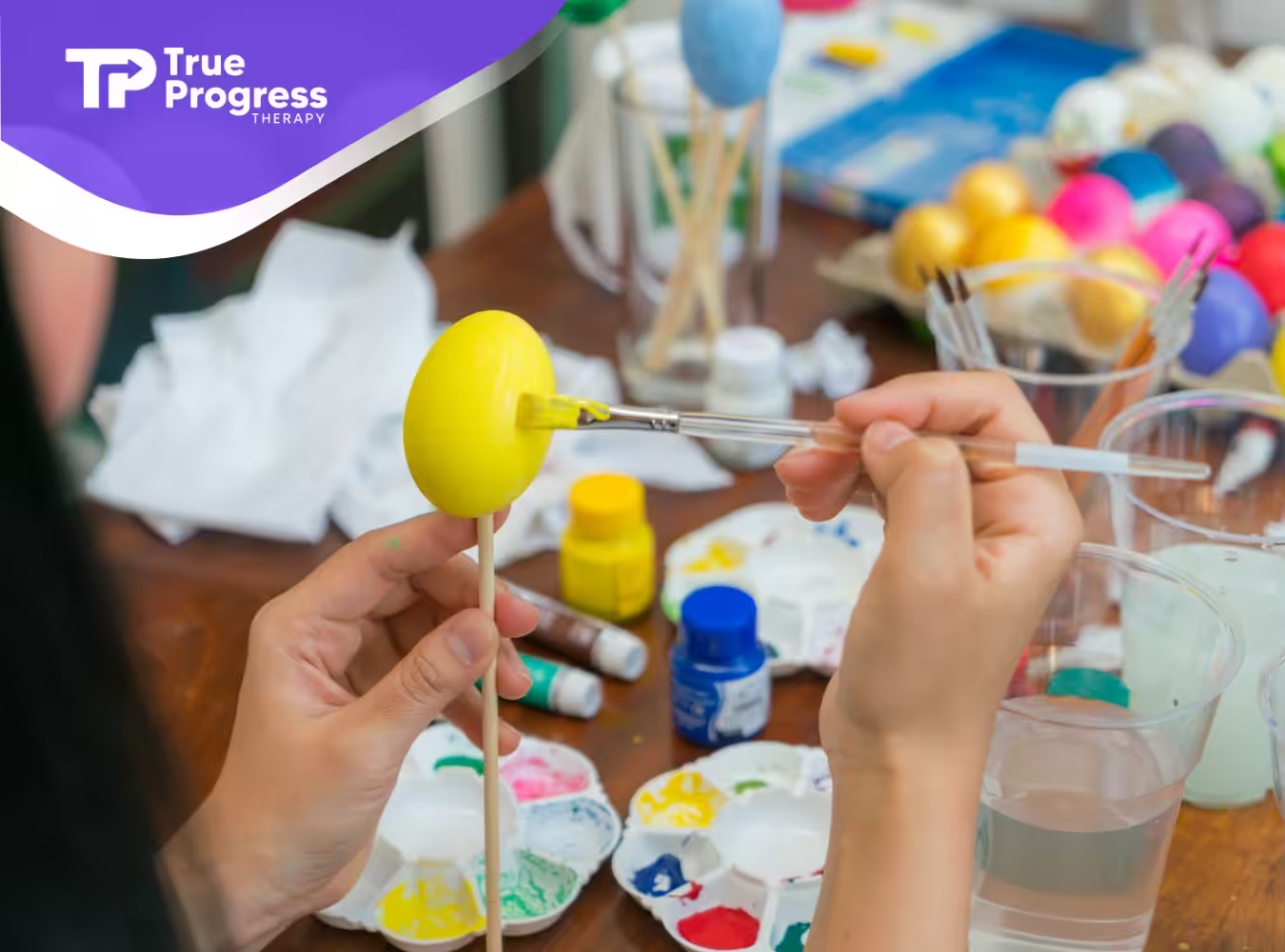
Engaging Art Activities for Adults with Autism
Art activities for adults with autism offers a unique and powerful way to express emotions, build social connections, and enhance cognitive skills. Some people use art to regulate after work. Others use it to focus their attention when their mind feels busy. Some use it as a nonverbal way to show wh
Read article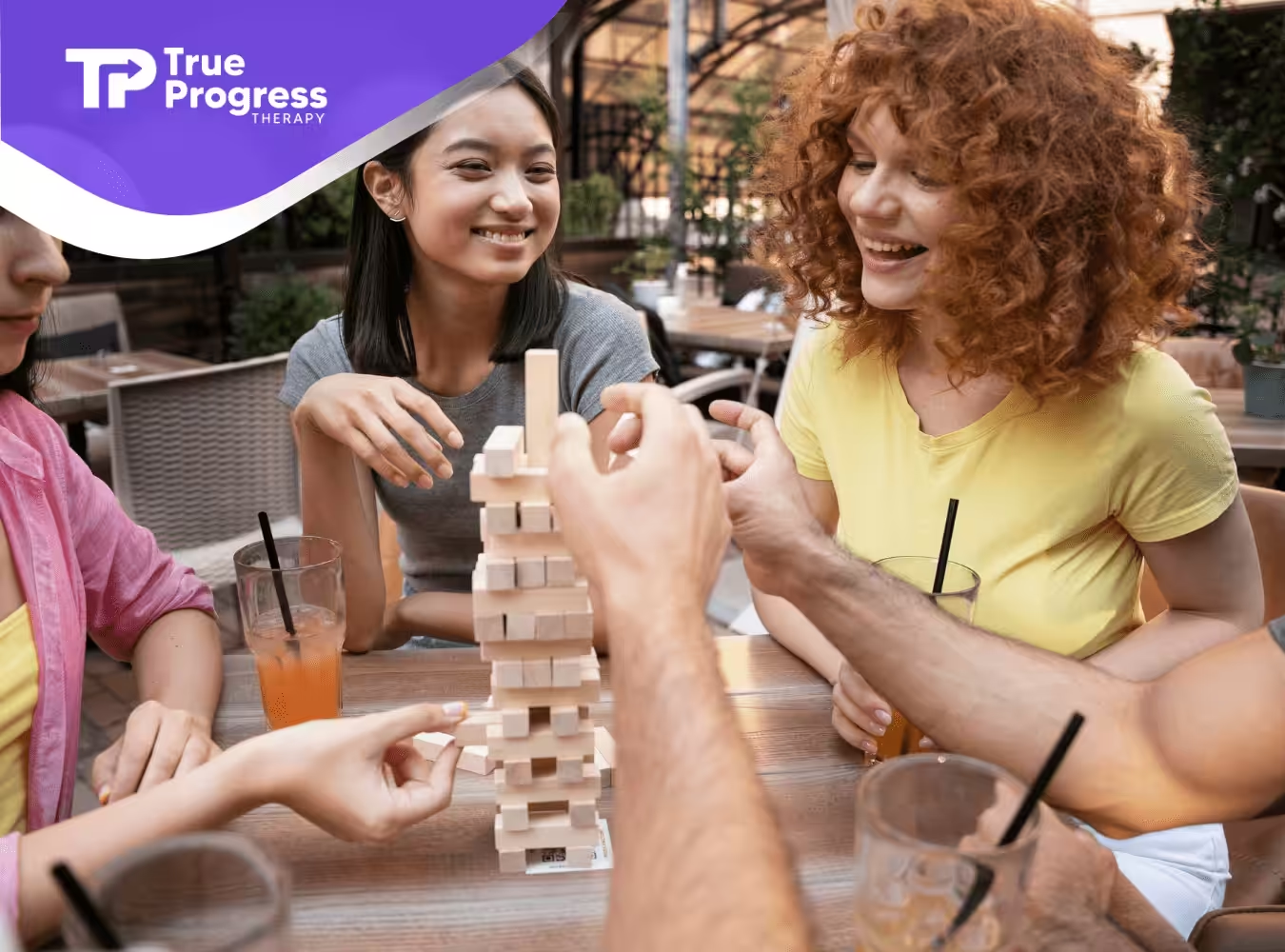
Unlocking Social Potential: Engaging Social Activities for Adults with Autism
Social Activities for Autistic Adults Exploring the realm of social activities for adults with autism presents a unique opportunity to enhance social engagement while addressing various challenges faced in social interactions. Importance of Social Engagement Social engagement plays a significant rol
Read article