

What Does Stimming Mean in Autism?

Stimming, short for self-stimulatory behavior, refers to repetitive movements or sounds that individuals with autism use to regulate emotions, process sensory input, or express themselves. Common examples include hand-flapping, rocking, spinning, humming, or repeating words or phrases.
For many autistic individuals, stimming serves an important purpose, it helps them cope with anxiety, excitement, or sensory overload. While it might seem unusual to others, stimming is often a self-soothing mechanism that brings comfort and stability in overwhelming situations.
Not all stimming behaviors need to be stopped. However, if stimming becomes harmful or disruptive (like head-banging or self-injury), therapy such as Applied Behavior Analysis (ABA) can help identify triggers and teach safe, alternative coping strategies.
Understanding stimming is key to supporting neurodiverse individuals with empathy rather than judgment. It’s part of how many people with autism experience and interact with the world.
At True Progress Therapy, we use personalized ABA therapy in New Jersey to help children manage behaviors in positive, healthy ways while promoting self-expression.
Want to better understand your child’s behavior? Contact us today!
SOURCE:
https://my.clevelandclinic.org/health/treatments/25197-applied-behavior-analysis
https://www.webmd.com/mental-health/what-is-applied-behavior-analysis
https://www.healthline.com/health/autism/stimming
https://www.leicspart.nhs.uk/autism-space/health-and-lifestyle/stimming/
https://www.autism.org.uk/advice-and-guidance/topics/about-autism/repeated-movements-and-behaviour-stimming
Related Posts

Does Stimming Mean You Are Neurodivergent? Understanding the Signs
Stimming, or self-stimulatory behavior, is a common action that involves repetitive movements, sounds, or other activities. Many people associate stimming with autism, but it is not exclusive to autistic individuals. It can also be present in those with ADHD, anxiety, and other conditions—or even in
Read article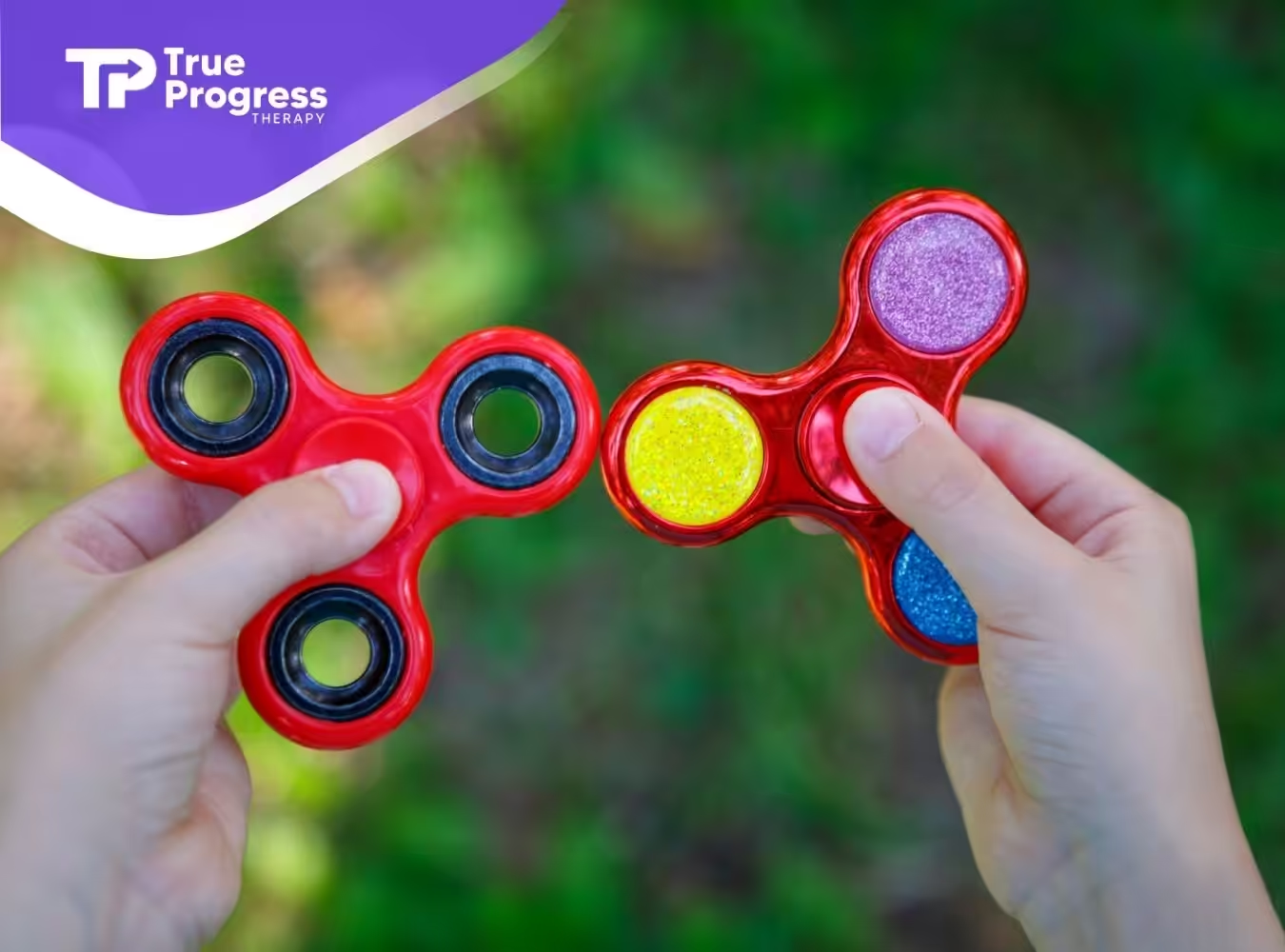
Sensory Solutions: Must-Have Stimming Toys for Autism Improvement
Stimming is a natural and essential part of life for many autistic individuals. Whether it’s hand-flapping, rocking, or using sensory tools, these repetitive behaviors help with self-regulation, focus, and emotional expression. For parents and caregivers, understanding stimming and incorporating the
Read article
What Does It Mean to Be “On the Spectrum”?
Being “on the spectrum” refers to Autism Spectrum Disorder (ASD), a developmental condition that affects communication, behavior, and social interaction. The term “spectrum” highlights the wide range of experiences some individuals may need significant daily support, while others live independently
Read article