

Our Blog — Page 11
The True Progress Therapy blog is your trusted source for evidence-based ABA insights, autism research, and clinical perspectives. Designed for families seeking answers and professionals raising the bar — because meaningful progress starts with knowledge.
Showing 12 of 543 articles · page 11 of 46

Autism and Neurodivergence: Are They the Same Thing?
You might be wondering, is neurodivergent the same as autism? While these two terms are related, they’re not quite the same thing. Autism is one type of neurodivergence, but the term "neurodivergent" actually covers a wide range of conditions. Think of "neurodivergent" as the large category and auti
Read article
How Does Music Help Autistic Children?
Music has a special way of reaching children on the autism spectrum. It can calm, motivate, and help them connect in ways that feel safe and natural. Many parents notice that music becomes a bridge—helping their child communicate, express emotions, and enjoy shared moments. Why Music Makes a Differe
Read article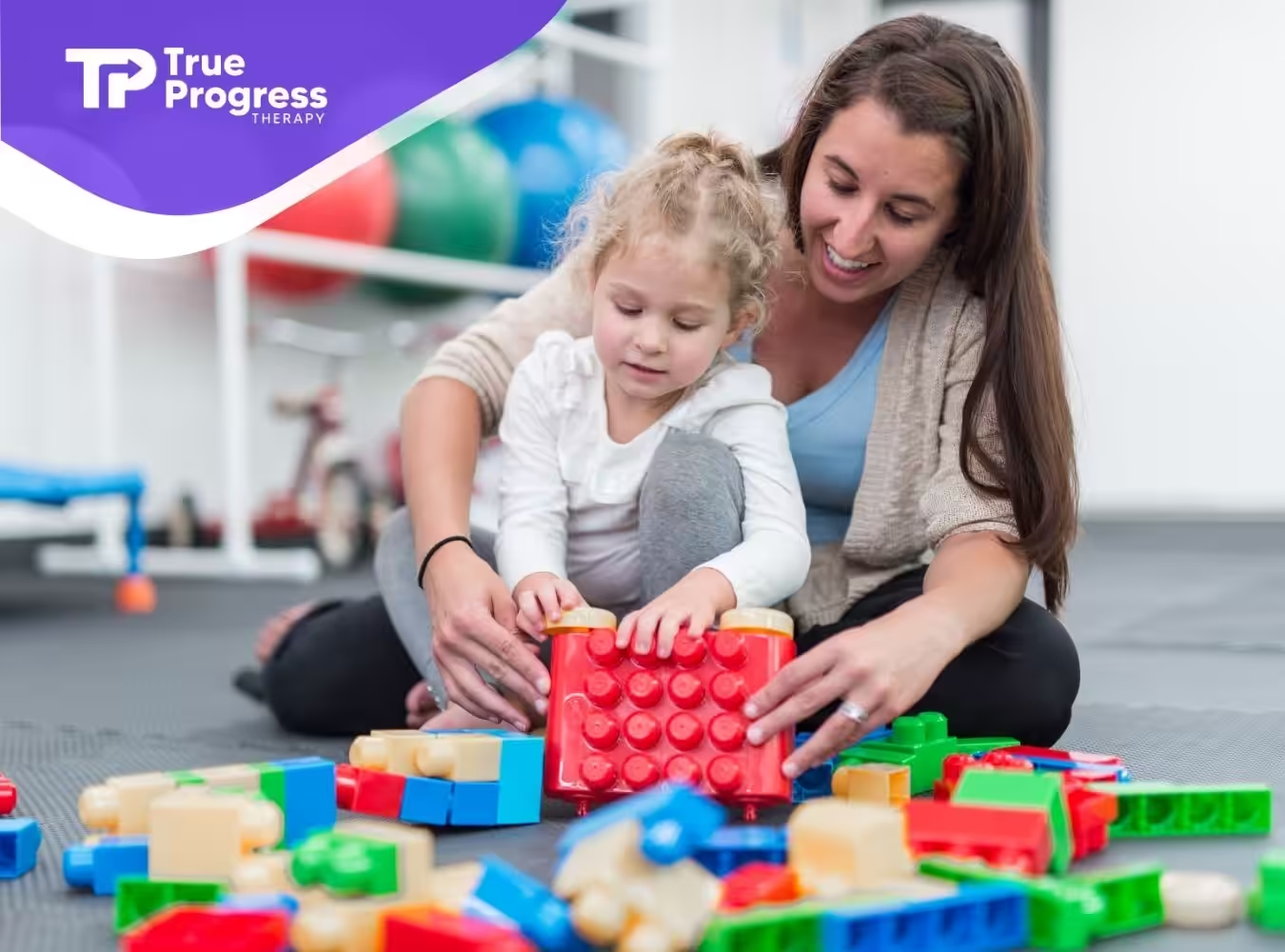
What Is the Divorce Rate for Families with Autism?
Key Highlights Divorce is a challenging topic for many families, but it can be especially complex for those raising children with autism. As we delve into the statistics surrounding divorce rates in families with autistic children, we aim to shed light on both the unique challenges these families fa
Read article
How Noise-Canceling Headphones for Autism Improve Daily Comfort
Understanding Noise-Canceling Headphones Noise-canceling, or calming headphones for autism have become an essential aid for many individuals on the spectrum, helping to manage sensory sensitivities and improve daily comfort. These specialized headphones use either electronic or physical methods to r
Read article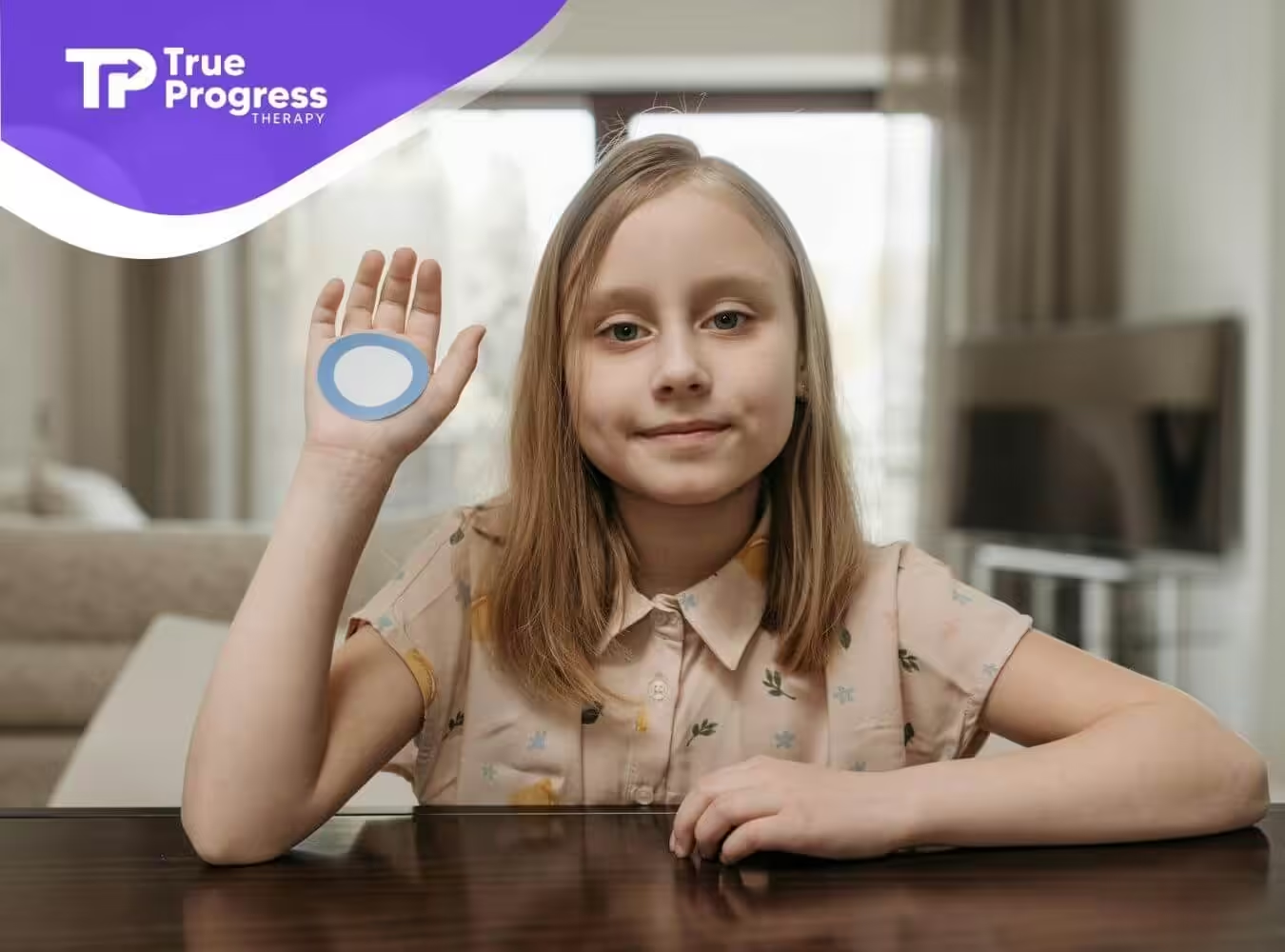
The Impact of Environmental Causes on Autism Development
Understanding Environmental Factors Research increasingly shows that environmental causes of autism extend beyond genetics to include exposures before, during, and after birth. These factors may affect brain development by triggering neuroinflammation, oxidative stress, or hormonal disruptions. Scie
Read article
What Does Stimming Mean in Autism?
Stimming, short for self-stimulatory behavior, refers to repetitive movements or sounds that individuals with autism use to regulate emotions, process sensory input, or express themselves. Common examples include hand-flapping, rocking, spinning, humming, or repeating words or phrases. For many auti
Read article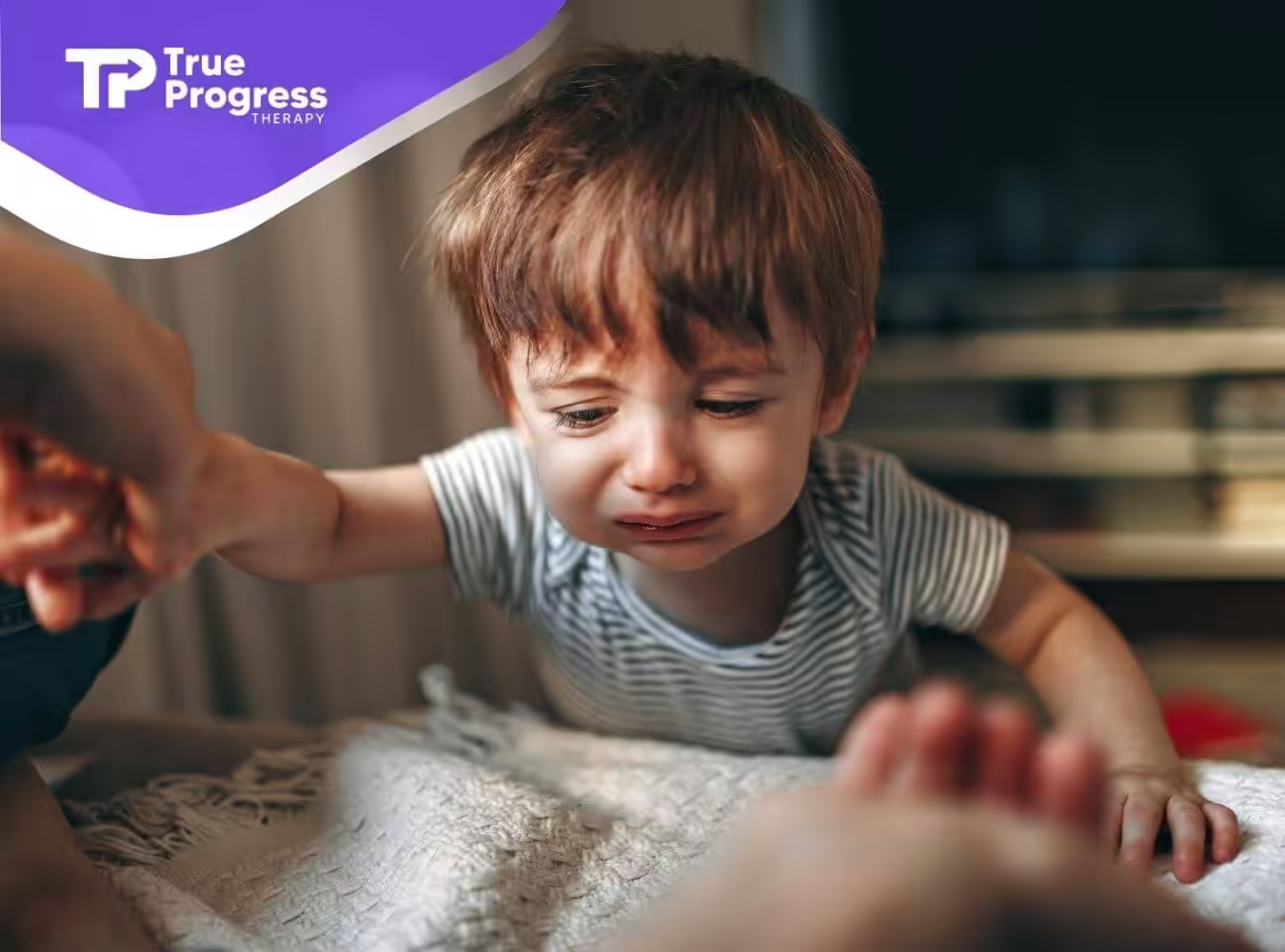
What Are the Red Flags for Autism in a 2-Year-Old?
Recognizing early signs of autism in toddlers is key to getting the right support at the right time. While every child develops differently, there are several common red flags to watch for around age 2. Some 2-year-olds with autism may show delays in speech or language, such as not saying single wor
Read article
Is Autism More Common Today Than It Was 20 Years Ago?
Yes, autism is diagnosed far more frequently today than it was 20 years ago. According to the Centers for Disease Control and Prevention (CDC), autism now affects about 1 in 36 children, compared to roughly 1 in 150 in the early 2000s. However, this increase doesn’t necessarily mean autism itself is
Read article
How Is High-Functioning Autism Diagnosed?
High-functioning autism is diagnosed through a combination of behavioral observation, developmental history, and standardized assessments. While the term “high-functioning autism” isn’t an official medical diagnosis, it generally refers to individuals on the autism spectrum who have average or above
Read article
Can a Child Have Autism and Still Talk Normally?
Yes, a child can have autism and still talk normally. Autism Spectrum Disorder (ASD) affects how individuals communicate and interact, but it doesn’t always mean they have speech delays. Some children with autism speak fluently yet struggle with social communication, like understanding tone, body la
Read article
Can an autistic father have a normal child? Genetic Factors
Key Highlights Here are the main points to remember about genetic factors and autism: Autism spectrum disorder is influenced by a combination of genetic factors and environmental influences. An autistic father can pass on certain genetic variations, but this does not guarantee their child will have
Read article
Discover What Percentage of Autistic Adults Are Married
Key Highlights Here are the key takeaways about marriage and autistic adults: Studies show that marriage rates for autistic adults are around 9%, which is lower than the general population’s rate of approximately 50%. These lower rates often reflect unique challenges, such as difficulties with socia
Read articleNo articles match that search.